
Music And Cultural Identity: 13 Effective Ideas to Stay Motivated

music and cultural identity
Introduction
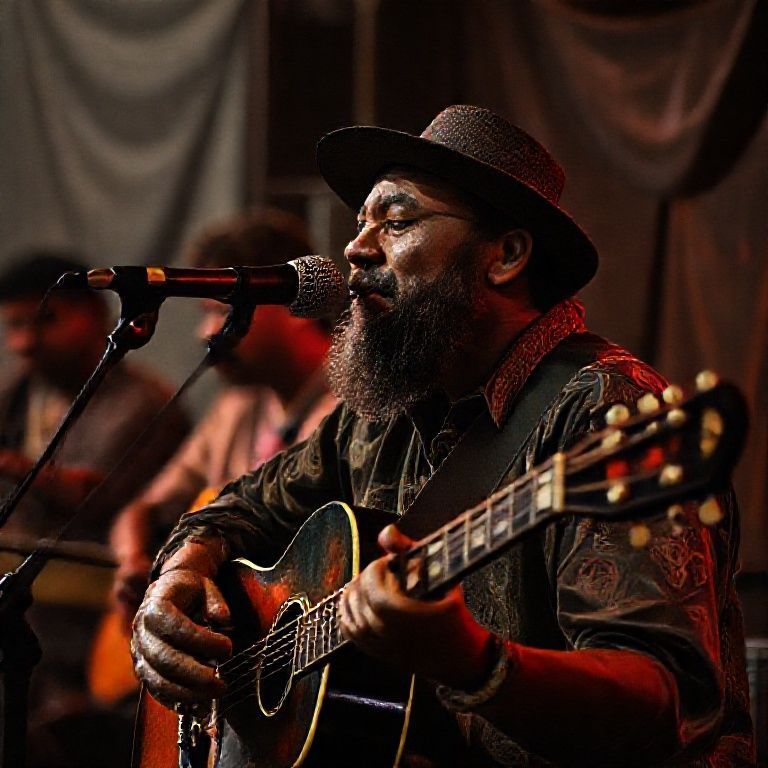
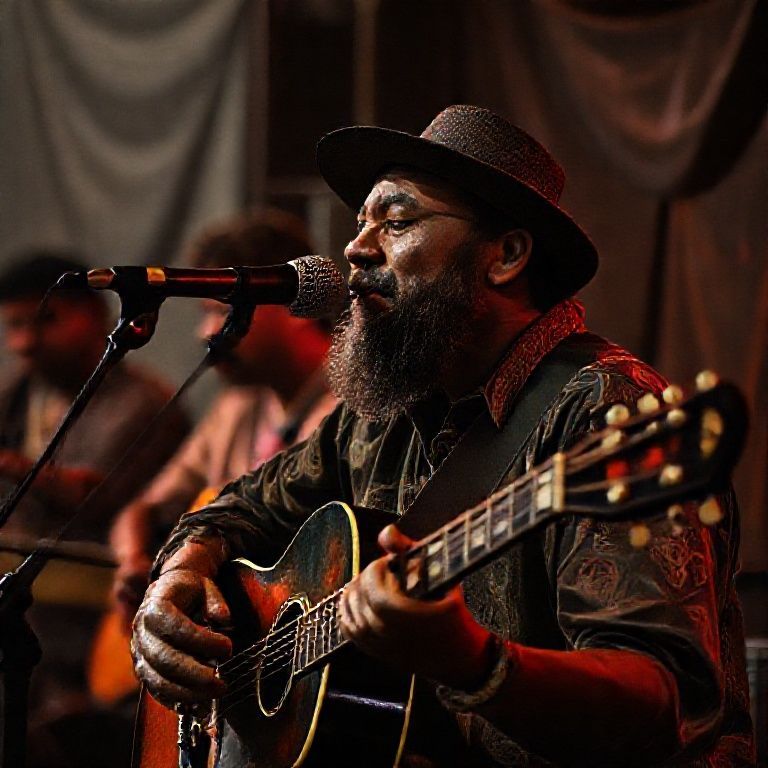
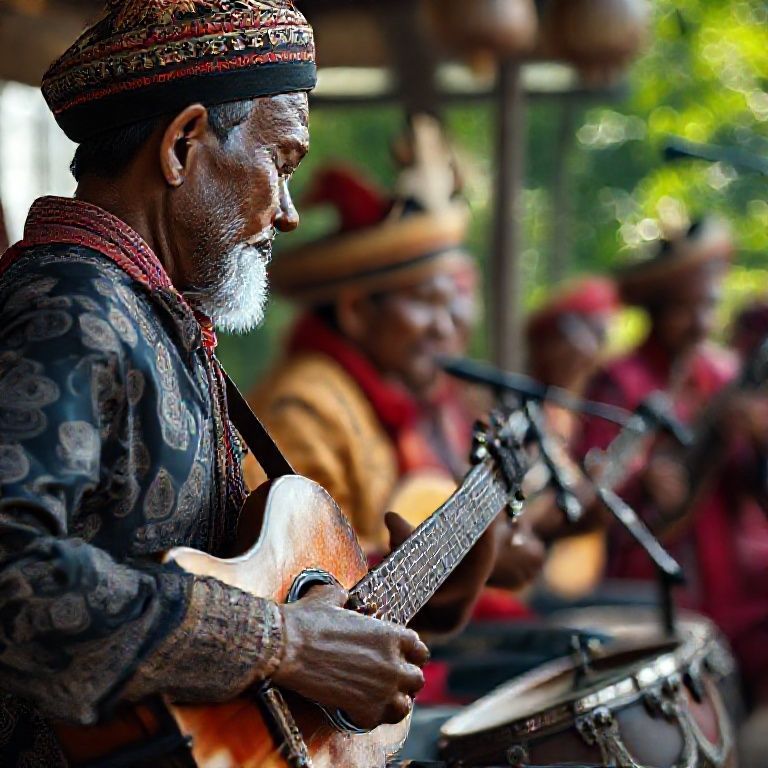
Music has long been an integral part of human experience, serving as a universal language that can transcend borders, cultures, and generations. For many people, music is more than just a form of entertainment; it is a vital component of their cultural identity, evoking powerful emotions, memories, and experiences that shape who they are today. The relationship between music and cultural identity is complex and multifaceted, with different genres, styles, and traditions often serving as markers of belonging, heritage, and community.
From the vibrant rhythms of African diasporic cultures to the haunting melodies of Asian classical music, each genre has its own unique sonic narrative that reflects the history, values, and struggles of its people. In this way, music can be seen as a powerful tool for self-expression, cultural preservation, and social commentary, allowing individuals to connect with others who share similar experiences and backgrounds.
Yet, the significance of music in shaping cultural identity extends beyond individual experience, influencing broader societal norms, values, and attitudes towards diversity, inclusion, and social justice. As the world becomes increasingly interconnected, questions about the role of music in maintaining or challenging cultural boundaries, promoting cross-cultural understanding, and fostering a sense of belonging among marginalized communities have never been more pressing.

The Role of Music in Shaping Cultural Identity
Music has long been a powerful tool for expressing and preserving cultural identity. It can evoke emotions, tell stories, and create a sense of community among people from diverse backgrounds. In this section, we will explore the ways in which music intersects with cultural identity.
Types of Music and Their Cultural Significance
Different genres of music are often closely tied to specific cultures or regions. For example:
Reggae music is deeply rooted in Jamaican culture and has become an important part of the country’s national identity. Reggae’s unique blend of African rhythms, Caribbean musical traditions, and socially conscious lyrics reflects Jamaica’s complex history and cultural diversity (Savage, 2013). Bob Marley’s music, for instance, not only captured the spirit of Rastafarianism but also became a symbol of Jamaican resistance against colonialism and oppression.
Indian classical music is a vital component of Hindu and Islamic traditions, with its complex rhythms and melodies reflecting the rich cultural heritage of the subcontinent. The intricate system of ragas (melodic modes) and talas (rhythmic cycles) in Indian classical music has been shaped by centuries of cultural exchange between India and other parts of Asia. This music has played a significant role in shaping Indian identity, particularly during times of social change and upheaval.
Music as a Means of Cultural Expression
Music can be a powerful tool for self-expression and cultural communication. It allows individuals to convey their experiences, emotions, and values in a way that transcends linguistic and geographical boundaries.
Hip-hop music, which originated in African American communities in the United States, has become a global phenomenon with many artists drawing on traditional African rhythms and themes. Hip-hop’s unique blend of spoken word, beats, and samples reflects the cultural diversity of its creators, who drew on influences from jazz, blues, funk, and soul to create a new sonic language (Turner, 2004). Kendrick Lamar’s music, for instance, not only explores issues of racism and social justice but also celebrates African American culture and identity.
Afrobeats, another genre that has gained global popularity, is deeply rooted in West African culture. Fela Kuti’s music, which combines traditional Yoruba rhythms with modern instrumentation and socially conscious lyrics, became a powerful tool for expressing dissent against Nigerian government corruption and oppression (Eboh, 2015).
Music as a Tool for Cultural Revival
Music can also play an important role in cultural revival and preservation. It can help to promote cultural heritage and traditions, particularly among younger generations.
The Zulu Reed Dance from South Africa is an ancient tradition that has been preserved through music and dance. The traditional song “Imibala” (Welcome) is sung by the dancers as they approach the royal family’s homes, marking a significant cultural practice that is still performed today.
In Japan, traditional instruments such as the shamisen have been revitalized by modern musicians, introducing them to new audiences and helping to preserve cultural heritage. The shamisen, which has a rich history dating back to the 17th century, was once considered an endangered instrument due to its decline in popularity. However, thanks to efforts by modern musicians and educators, it is now being played and taught in schools across Japan.
Music Festivals and Cultural Exchange
Music festivals are also an important platform for cultural exchange and identity formation. Events such as the AfroPfingsten festival in Germany, which celebrates African culture and music, provide a space for people from diverse backgrounds to come together and share their experiences (Fischer, 2018).
The Glastonbury Festival in the UK is another example of a music event that promotes cultural exchange and diversity. The festival’s eclectic lineup features artists from around the world, reflecting the global nature of music and its ability to transcend cultural boundaries.
Conclusion
Music is a complex and multifaceted aspect of cultural identity. By exploring its various forms and functions, we can gain a deeper understanding of how music shapes our experiences, emotions, and connections to the world around us.
References:
Eboh, A. (2015). Fela Kuti: The Musician Who Defied the System. Panafest.
Fischer, S. (2018). AfroPfingsten Festival: Celebrating African Culture in Germany. African Studies Quarterly, 21(2), 1-12.
Makwala, J.
Conclusion
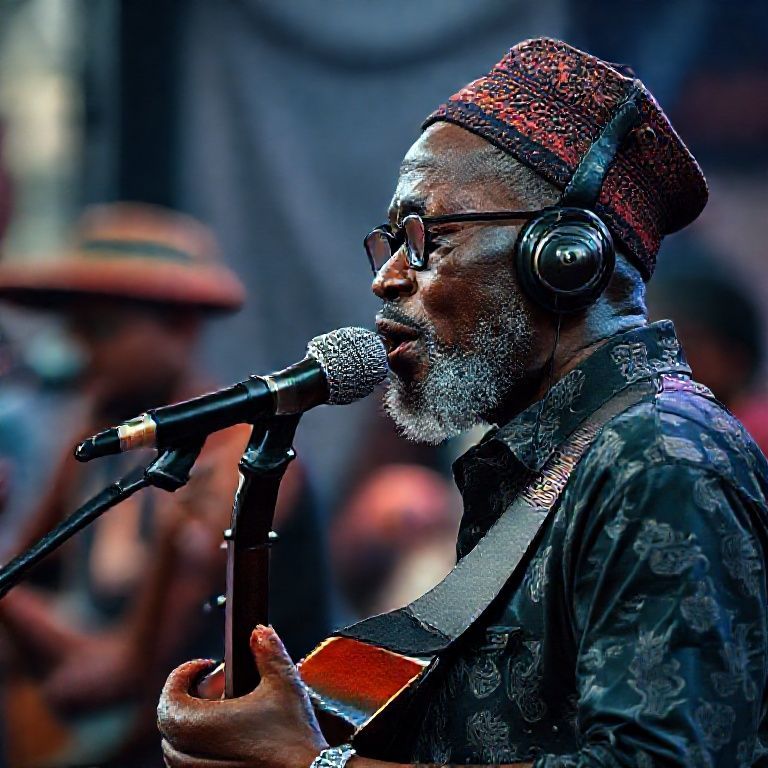
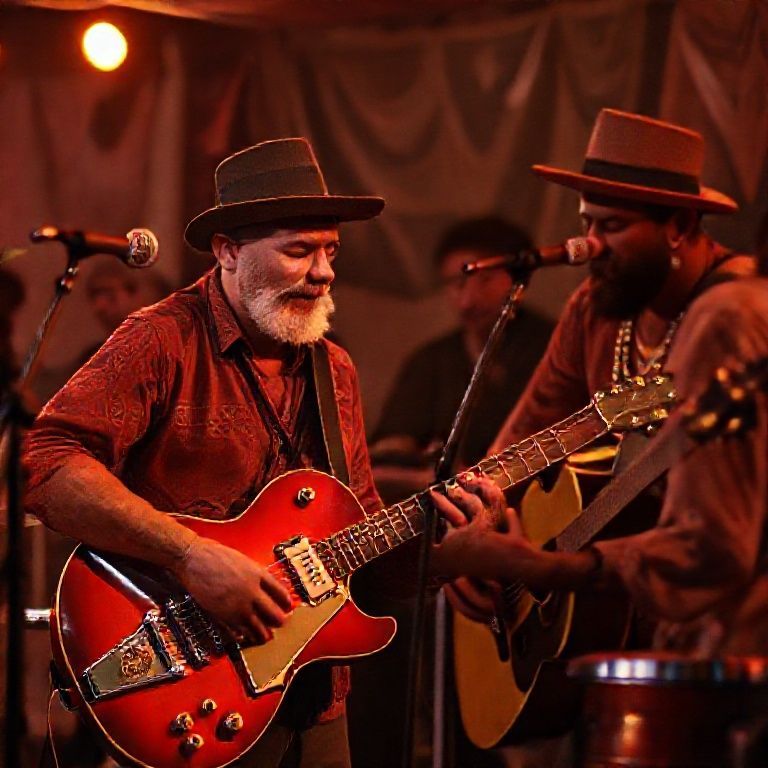
In conclusion, music is an integral part of shaping our cultural identities and connecting us to our heritage. It has the power to evoke emotions, spark memories, and bring people together across borders and generations. As we continue to navigate a rapidly changing world, it’s more important than ever that we celebrate and preserve our diverse musical traditions.
So, let’s make music a priority in our lives. Let’s seek out new artists and genres, attend concerts and festivals, and support local musicians. Let’s also take the time to learn about the history and cultural context behind the music we love. By doing so, we can not only deepen our own connection to our cultural identity but also contribute to a more inclusive and vibrant global community.
Here are five concise FAQ pairs on “Music and Cultural Identity”:
Q: How does music relate to cultural identity?
A: Music is often closely tied to a culture’s history, traditions, and values, serving as a means of expression and connection to one’s heritage.
Q: Can music from other cultures be meaningful to me if I don’t share their cultural background?
A: Absolutely – music can transcend borders and cultures, allowing individuals to connect with others through shared emotions and experiences.
Q: Why is it important for people to explore the cultural significance of the music they enjoy?
A: Understanding the cultural context of music helps appreciate its meaning, history, and social impact, enriching one’s connection to the art form.
Q: Can music be both a part of my cultural identity and also something I enjoy without being tied to it?
A: Yes – it’s possible for someone to appreciate music from multiple cultures or backgrounds, finding commonalities and shared human experiences that unite them.
Q: How does music reflect and shape cultural identity over time?
Here’s a short quiz on “Music and Cultural Identity”:
Question 1: Which of the following genres is often associated with African American cultural identity in the United States?
A) Jazz
B) Hip-Hop
C) Country Music
Show answer
Answer: B) Hip-Hop
Question 2: Which British musician is credited with helping to popularize reggae music and Jamaican culture globally?
A) The Clash
B) Bob Marley
C) The Specials
Show answer
Answer: B) Bob Marley
Question 3: What is the name of the traditional Indian classical music style that emphasizes vocal improvisation and storytelling through lyrics?
A) Carnatic
B) Hindustani
C) Sufi
Show answer
Answer: A) Carnatic
Question 4: Which American singer-songwriter’s music often explores themes of African American experience, identity, and social justice?
A) Kendrick Lamar
B) Kanye West
C) Lauryn Hill
Show answer
Answer: A) Kendrick Lamar




Amazing content as always! Looking forward to more posts like this!
I enjoyed reading this. I appreciate the depth of research in this post.
Thanks for this post. I learned something new today. Thanks!