
Layering Outfits Fall: 11 Red Flags that Sabotage Your Look

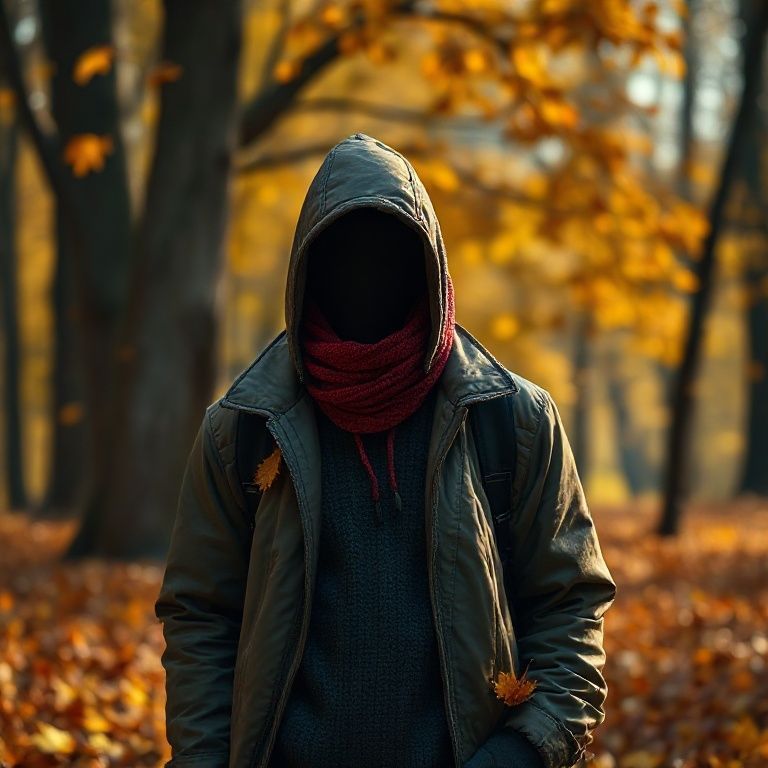
layering outfits fall
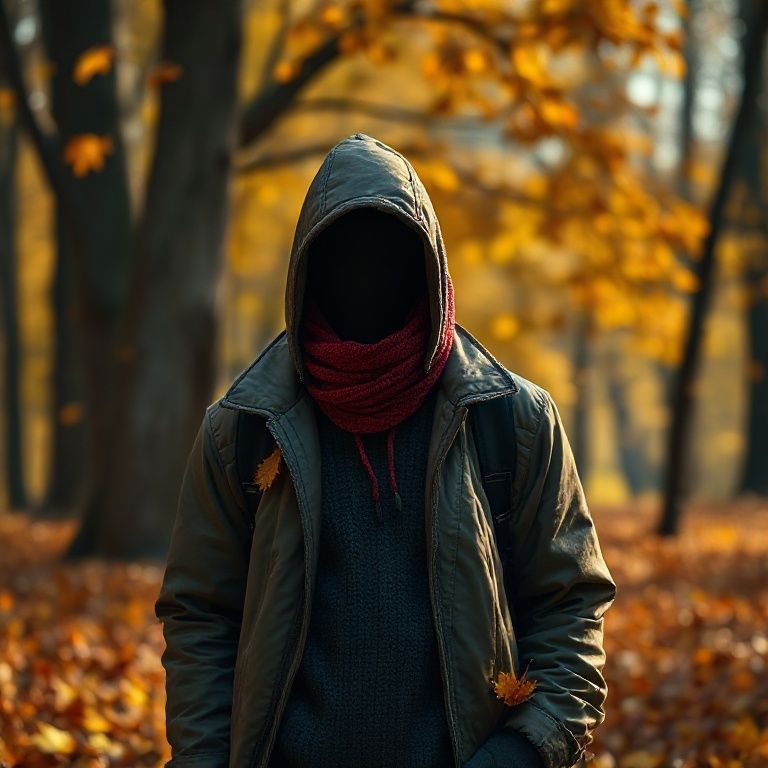
Introduction
As the temperatures drop and the leaves begin to change colors, our wardrobes undergo a transformation from light and airy to cozy and layered. Layering outfits is an art form that can elevate even the simplest of ensembles into something stylish and sophisticated. For fall, layering outfits means swapping out shorts and tank tops for sweaters, boots, and scarves, but it’s not just about adding more pieces – it’s about creating a cohesive look that tells a story.
The key to pulling off layered outfits in the fall is to balance texture, volume, and color. A mix of smooth and rough textures, such as velvet and corduroy, can add depth to an outfit, while a combination of loose-fitting tops and fitted bottoms can create a flattering silhouette. And, of course, no fall outfit is complete without a statement piece – whether it’s a bold scarf, a patterned coat, or a chunky sweater.
In this article, we’ll explore the art of layering outfits for fall, from basics to statement pieces. We’ll share tips and tricks for mixing and matching different textures, volumes, and colors to create a look that’s both stylish and comfortable. Whether you’re a fashion novice or a seasoned pro, our guide will help you learn how to layer outfits like a pro and make the most of your fall wardrobe.

Layering Outfits for Fall: a Guide to Staying Warm and Stylish
Understanding the Basics of Layering
Layering outfits is a great way to add depth and visual interest to your fall wardrobe while keeping warm in the cooler temperatures. The key to layering successfully is to create a balanced look that doesn’t overwhelm the body.
Choosing the Right Layers
When It Comes to Layering for Fall, There Are Several Key Pieces to Focus on:
Step 1: Start with a Base Layer
Begin by choosing a breathable base layer such as a lightweight sweater or t-shirt. This will provide a foundation for your outfit and help keep you warm without feeling too bulky.
Tips for Choosing a Base Layer
Opt for natural fibers like cotton, wool, or silk.
Choose a color that complements the rest of your outfit.
Consider the activity level – if you’ll be engaging in physical activity, choose a moisture-wicking fabric.
Some popular base layer options include:
A plain white or black t-shirt made from merino wool
A lightweight crew-neck sweater made from cashmere
A long-sleeved thermal top made from polyester
Step 2: Add a Mid-Layer
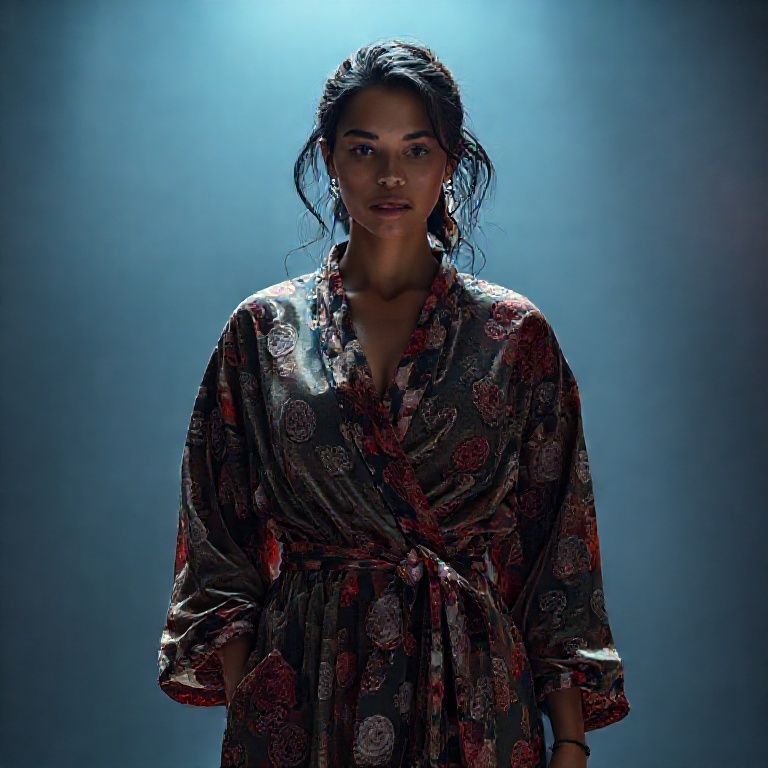
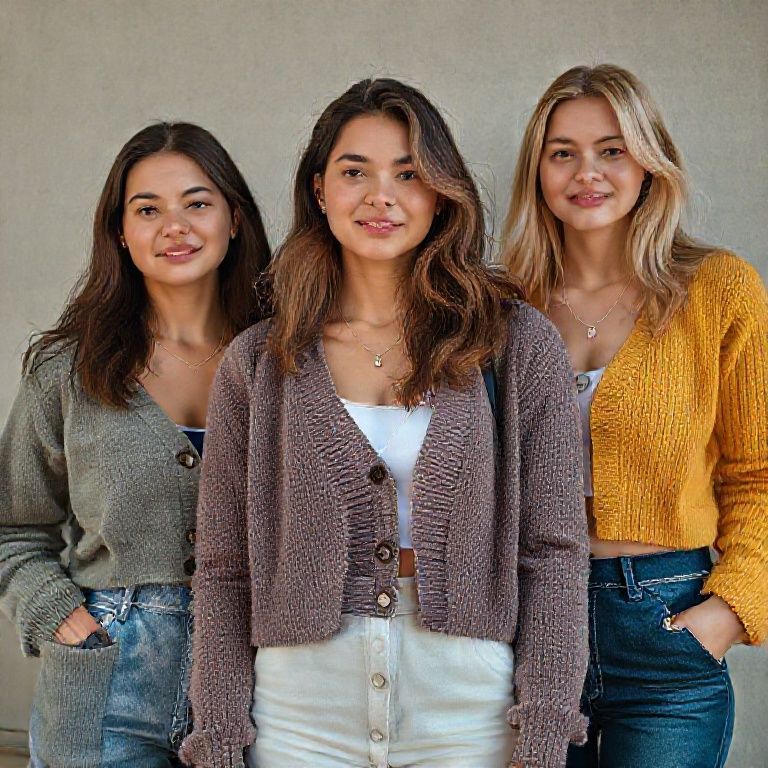
Next, add a mid-layer such as a cardigan or kimono. This will add warmth and texture to your outfit while providing a layer of protection from the elements.
Tips for Choosing a Mid-Layer
Choose a neutral color that complements your base layer.
Consider the style – do you prefer a fitted silhouette or something more relaxed?
Look for fabrics with interest, such as cable knit or Fair Isle patterns.
Some popular mid-layer options include:
A classic crew-neck cardigan made from chunky wool
A kimono jacket made from silk or cotton
A duster coat made from tweed or velvet
Step 3: Finish with an Outer Layer
Finally, add an outer layer such as a coat or jacket. This will provide protection from the elements and help complete your outfit.
Tips for Choosing an Outer Layer
Choose a color that complements your mid-layer.
Consider the style – do you prefer a classic trench or something more modern?
Look for fabrics with interest, such as leather or suede.
Some popular outer layer options include:
A classic pea coat made from wool or tweed
A denim jacket made from cotton or canvas
A parka made from synthetic insulation and waterproof fabric
Step 4: Add Accessories
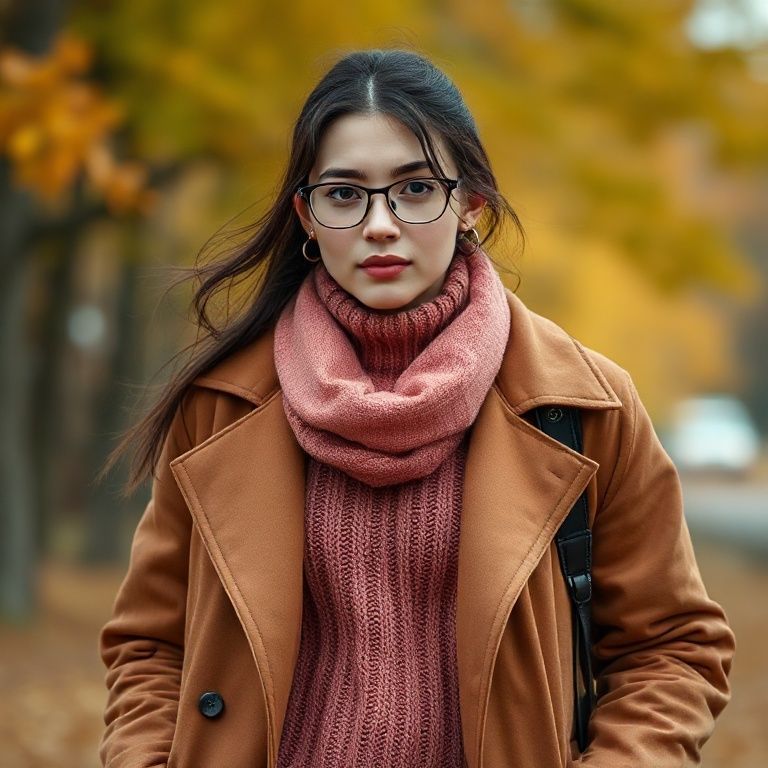
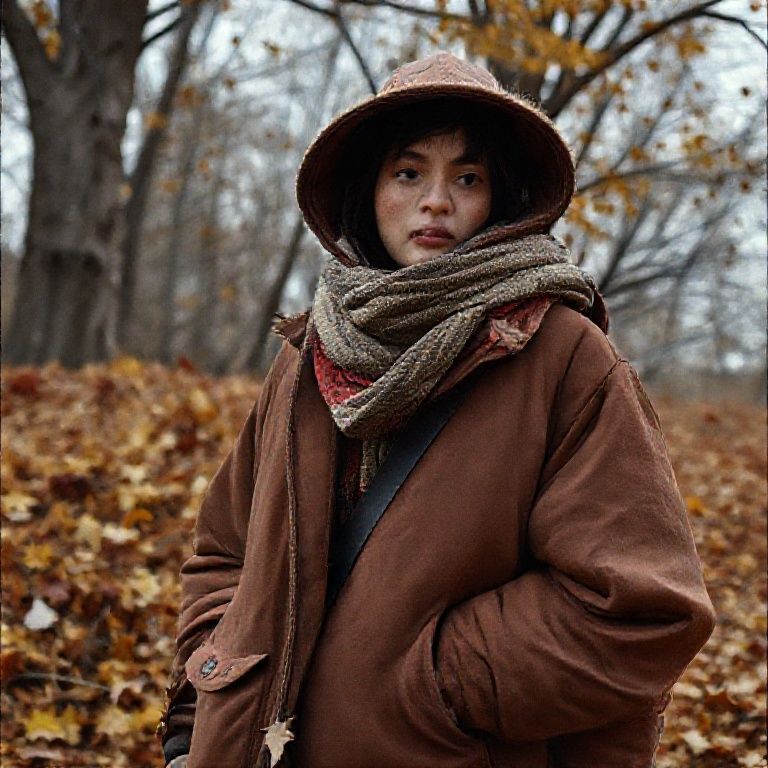
Finally, add accessories such as scarves, hats, and gloves to complete your outfit. These can help add texture and visual interest while keeping you warm.
Tips for Choosing Accessories
Choose accessories that complement your outfit.
Consider the color palette – do you want to stick with neutrals or add a pop of color?
Look for accessories made from natural materials such as wool, cashmere, or leather.
Some popular accessory options include:
A chunky knit scarf made from merino wool
A fedora hat made from felted wool
A pair of leather gloves made from full-grain leather
Step 5: Experiment and Have Fun
The final step is to experiment and have fun with layering. Try different combinations of pieces to find what works best for you.
References
[1] The Fashion Spot – “Layering 101: A Guide to Creating a Stylish Outfit”
[2] Who What Wear – “The Ultimate Guide to Layering for Fall”
Conclusion
As the leaves change colors and the weather cools down, it’s time to update your wardrobe for the fall season. Layering outfits is a great way to add depth and visual interest to your looks while staying warm and cozy. By experimenting with different textures, patterns, and accessories, you can create a variety of stylish and versatile outfits that will keep you looking great all season long. So why not give layering a try this fall? Start by mixing and matching your favorite tops, sweaters, and jackets to create a look that’s uniquely yours. Don’t be afraid to experiment and have fun with it!
Here are five concise FAQ pairs for “Layering Outfits Fall”:
Q: What is layering in an outfit, and why is it useful for fall?
A: Layering involves wearing multiple garments over each other to create a visually appealing and versatile outfit. For fall, layering helps to add depth and texture to your outfit while also providing warmth.
Q: How do I start layering my outfits for fall?
A: Start by adding a lightweight layer, such as a cardigan or scarf, over a base layer like a t-shirt or tank top. This will give you a foundation for building out your outfit.
Q: What types of layers are best suited for fall weather?
A: For fall, consider using layers made from warm, breathable materials like wool, cotton, and suede. You can also incorporate waterproof or water-resistant layers, such as a parka or raincoat, to protect against rain and wind.
Q: How do I balance layering with not looking too bulky?
A: To avoid looking too bulky, focus on balancing your layers by mixing and matching different textures, colors, and weights. For example, pair a thick sweater with a flowy skirt for a balanced look.
Q: Can I layer any type of clothing together, or are there some combinations that don’t work well?
Here’s your short quiz:
Question 1: What is the key to creating a cohesive layered look for fall outfits?
A) Wearing all the same colors
B) Mixing patterns and textures
C) Focusing on a single statement piece
Show answer
Answer: B) Mixing patterns and textures
Question 2: Which layering technique involves wearing a lightweight top under a heavier coat or cardigan?
A) Layering from bottom to top
B) Building layers from lightest to heaviest
C) Wearing the heaviest item first
Show answer
Answer: A) Layering from bottom to top
Question 3: What is a great way to add depth to a fall outfit with layering?
A) Adding a bright scarf over a dark sweater
B) Pairing a patterned blouse with a solid-colored coat
C) Wearing a statement jacket over a plain white shirt
Show answer
Answer: B) Pairing a patterned blouse with a solid-colored coat
Question 4: How can you prevent an outfit from looking too bulky when layering for fall?
A) Wear all the same weights and textures
B) Balance heavy layers with lighter ones
C) Avoid wearing any layers at all
Show answer
Answer: B) Balance heavy layers with lighter ones

Your expertise really shows in this post. 💯
Great article! Very informative and well-written article.
So helpful and informative! 👍
Your insights are always spot-on. Thanks for sharing!