
Inner Child Triggers In Relationships Explained: 13 Effective Ideas to Build Trust

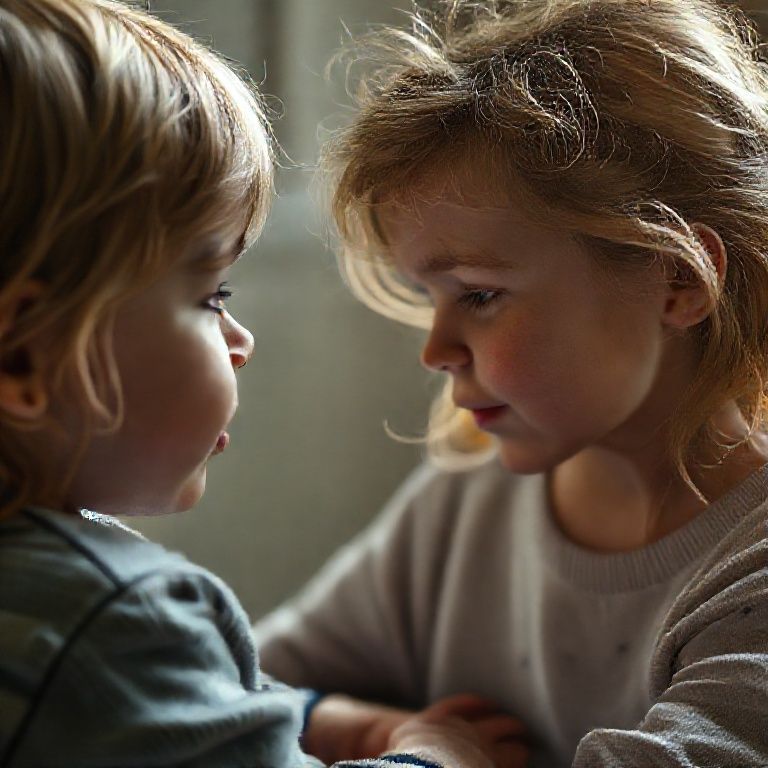
inner child triggers in relationships explained

Introduction
When it comes to navigating complex and often tumultuous relationships, understanding the underlying dynamics at play can be a game-changer. One key factor that can significantly impact our romantic partnerships is the presence of inner child triggers. These emotional hotspots can arise from unresolved childhood experiences, unconscious patterns, and unmet needs, causing us to react in ways that may seem irrational or hurtful to ourselves and others.
The concept of inner child triggers in relationships has gained significant attention in recent years, as more people begin to recognize the profound impact that our early life experiences have on our adult relationships. By exploring the role that unresolved childhood emotions play in shaping our romantic partnerships, we can gain a deeper understanding of why certain patterns keep repeating themselves, and how we might break free from them.
In this article, we’ll delve into the world of inner child triggers in relationships, examining the ways in which these emotional triggers can manifest, why they’re so hard to recognize, and most importantly, what we can do to heal and transform our relationships as a result. By shedding light on this often-overlooked aspect of human connection, we hope to empower you with the knowledge and tools necessary to cultivate healthier, more fulfilling partnerships that honor both your inner child and your adult self.

Understanding Inner Child Triggers in Relationships
Inner child triggers in relationships refer to the unresolved emotional issues and unconscious patterns that can arise when two individuals with unresolved childhood trauma or attachment issues come together. These triggers can lead to feelings of anxiety, fear, and insecurity, making it challenging for partners to communicate effectively and build a healthy relationship.
Recognizing Inner Child Triggers
Identifying inner child triggers requires self-awareness, introspection, and a willingness to explore one’s own emotional landscape. Here are some common signs that you may be experiencing an inner child trigger in your relationship:
Step 1: Reflect on Your Childhood Experiences
Take time to reflect on your childhood experiences, including any traumatic events, neglect, or abandonment. Ask yourself questions like:
What were my earliest memories of feeling loved and accepted?
How did I respond to stress and anxiety as a child?
Were there any significant relationships in my childhood that had a lasting impact on me?
Reflecting on these experiences can help you understand the root causes of your inner child triggers. For example, if you grew up with an emotionally distant parent, you may struggle with intimacy or emotional connection in your adult relationships.
Step 2: Identify Your Triggers
Once you have reflected on your childhood experiences, identify the triggers that arise in your relationship. These may include:
Fear of abandonment or rejection
Need for control or dominance
Difficulty with emotional regulation
Unresolved anger or resentment
For instance, if you grew up with a parent who was overly critical, you may find yourself feeling anxious or defensive when your partner offers constructive feedback.
Step 3: Communicate with Your Partner
Open and honest communication is key to addressing inner child triggers in relationships. Here are some steps you can take:
1. Express your feelings and needs to your partner.
2. Listen actively and try to understand their perspective.
3. Work together to develop strategies for managing triggers.
For example, if you’re struggling with abandonment fears, you may need to express these concerns to your partner in a non-accusatory way, such as “I feel anxious when we have plans that involve spending time apart. Can we find ways to stay connected while still having our independence?”
Step 4: Practice Self-Compassion
Practicing self-compassion is essential for healing and growth in relationships. Here are some steps you can take:
1. Treat yourself with kindness and understanding, just as you would a close friend.
2. Acknowledge your emotions and validate your experiences.
3. Focus on the present moment and let go of past regrets or fears.
For instance, if you’re struggling with self-doubt or low self-esteem, practice affirmations like “I am capable and deserving of love and respect” to help shift your mindset.
Step 5: Seek Professional Help
If you’re struggling to address inner child triggers in your relationship, consider seeking professional help from a therapist or counselor. A mental health professional can provide guidance, support, and tools for healing and growth.
Additionally, consider seeking out couples therapy or counseling that specifically addresses inner child triggers and attachment issues. This can provide a safe and supportive environment for both partners to explore their emotional landscapes and work through their triggers together.
By following these steps and practicing self-awareness, communication, and compassion, you can work through inner child triggers and build a healthier, more fulfilling relationship with your partner.
Inner Child Triggers in Relationships Explained
Understanding the Inner Child
The inner child is a part of ourselves that was wounded or neglected during our formative years. This aspect of our psyche can trigger emotions and behaviors in relationships, causing us to react in ways we may not even realize.
Identifying Your Inner Child Triggers
To understand your inner child triggers, you need to reflect on your past experiences and identify the wounds or neglect that may still be affecting you today. Ask yourself:
What were my childhood experiences like?
Were there any people or events in my life that caused me pain or distress?
How did these experiences shape me into the person I am today?
Recognizing Patterns of Behavior
Your inner child triggers can manifest in various ways, such as:
Becoming overly attached or clingy in relationships
Difficulty setting boundaries or asserting oneself
Tendency to people-please or seek validation from others
Unhealthy coping mechanisms, such as substance abuse or self-sabotage
Understanding the Role of Childhood Trauma
Childhood trauma can have a profound impact on our inner child and relationships. If you experienced trauma during your childhood, it’s essential to acknowledge its effects on your life today.
Did I experience physical or emotional abuse?
Was I neglected or abandoned by my caregivers?
Did I witness domestic violence or other forms of abuse?
The Impact of Childhood Wounds on Relationships
Childhood wounds can lead to difficulties in forming healthy relationships. Your inner child may be seeking validation, love, and acceptance from your partner, leading to an over-reliance on them for emotional support.
Healing the Inner Child
Healing your inner child requires self-reflection, self-compassion, and a willingness to confront painful memories. Here are some steps you can take:
Practice mindfulness and meditation to connect with your inner self
Engage in creative activities that bring you joy and help you express emotions
Seek therapy or counseling to work through childhood wounds
Develop healthy coping mechanisms, such as exercise or journaling
Integrating the Inner Child into Relationships
Once you’ve healed your inner child, you can begin to integrate this aspect of yourself into your relationships.
Practice self-awareness and recognize when your inner child is triggered
Communicate openly and honestly with your partner about your needs and feelings
Set healthy boundaries and assert yourself in a respectful manner
Cultivate empathy and understanding for your partner’s experiences and emotions


Conclusion
In exploring the concept of inner child triggers in relationships, it’s clear that understanding and addressing these emotional wounds can be a powerful tool for building healthier and more fulfilling connections. By recognizing and working through our own unresolved childhood issues, we can become more empathetic, compassionate, and aware partners. To deepen your knowledge on this topic, consider seeking out resources such as therapy or counseling, where you can work with a trained professional to uncover the root causes of your inner child triggers and develop strategies for healing and growth. By taking this journey inward and outward, you can cultivate more authentic, meaningful relationships that nurture both yourself and those around you.
Here are five concise FAQ pairs on “Inner Child Triggers in Relationships Explained”:
Q: What is an inner child trigger?
A: An inner child trigger is a past emotional wound or unresolved issue that can resurface in current relationships, causing intense emotions and behaviors.
Q: How do I know if my partner’s behavior is triggering my inner child?
A: If you feel overwhelmed, anxious, or defensive when your partner does something similar to what happened in the past, it may be triggering your inner child.
Q: Why do people often avoid talking about their childhood traumas in relationships?
A: Avoiding discussions of childhood traumas can lead to unresolved emotions and triggers being passed down to current relationships, causing more harm than good.
Q: Can I ever fully heal from my inner child wounds in a relationship?
A: Healing from inner child wounds is possible, but it requires self-reflection, communication with your partner, and a willingness to confront and resolve the past issues.
Q: How can I communicate my inner child triggers to my partner effectively?
Here’s a short quiz on “Inner Child Triggers in Relationships Explained”:
Question 1: What is an inner child trigger?
A) When your partner makes you feel uncomfortable or anxious.
B) A past emotional wound that resurfaces when you’re in a relationship, often triggered by specific behaviors or interactions with your partner.
C) A physical attraction to someone new.
Show answer
Answer: B) A past emotional wound that resurfaces when you’re in a relationship, often triggered by specific behaviors or interactions with your partner.
Question 2: Which of the following is an example of an inner child trigger?
A) Your partner asking you about your childhood.
B) Your partner criticizing you for something you did as a child.
C) Your partner giving you a hug.
Show answer
Answer: B) Your partner criticizing you for something you did as a child.
Question 3: What can happen when an inner child trigger is triggered in a relationship?
A) You become more confident and assertive in the relationship.
B) You feel hurt, angry, or defensive, and may lash out at your partner.
C) You suddenly develop a new hobby or interest.
Show answer
Answer: B) You feel hurt, angry, or defensive, and may lash out at your partner.
Question 4: How can you work with an inner child trigger in a relationship?
A) By ignoring the feeling and trying to move on.
B) By acknowledging the trigger and taking steps to heal and process the emotions associated with it.
C) By blaming your partner for not knowing how to handle the situation.
Show answer
Answer: B) By acknowledging the trigger and taking steps to heal and process the emotions associated with it.




Your expertise really shows in this post!
Excellent work as always! Keep up the good work!
This is so useful! bookmarking for future reference.
I appreciate the depth of research in this post. Looking forward to more content like this.
This post is a goldmine of useful information. 😊
Thank you for taking the time to write this. Thanks for sharing!