
Hydration Plan For Endurance Athletes: 7 Power Moves to Level Up Fast

hydration plan for endurance athletes
Introduction
As an endurance athlete, your body is designed to perform at its best when fueled by the right combination of nutrients and fluids. A well-crafted hydration plan is essential for maximizing performance, preventing dehydration, and reducing the risk of heat-related illnesses. In fact, a hydration plan for endurance athletes can make all the difference between a successful competition and a disappointing one.
Adequate hydration is crucial for endurance athletes, as it plays a critical role in regulating body temperature, transporting nutrients and oxygen to the muscles, and removing waste products. However, it’s not just about drinking enough water – the timing, amount, and type of fluid consumed are all important factors that require careful consideration. A good hydration plan takes into account an athlete’s individual needs, including their training schedule, climate, and personal preferences.
In this article, we’ll explore the key elements of a hydration plan for endurance athletes, from setting realistic goals to monitoring progress and adjusting the plan as needed. We’ll also discuss common pitfalls to avoid and provide practical tips for implementing a hydration plan that works for you, so you can perform at your best and achieve your goals.
Creating an Effective Hydration Plan for Endurance Athletes
Understanding the Importance of Hydration in Endurance Sports
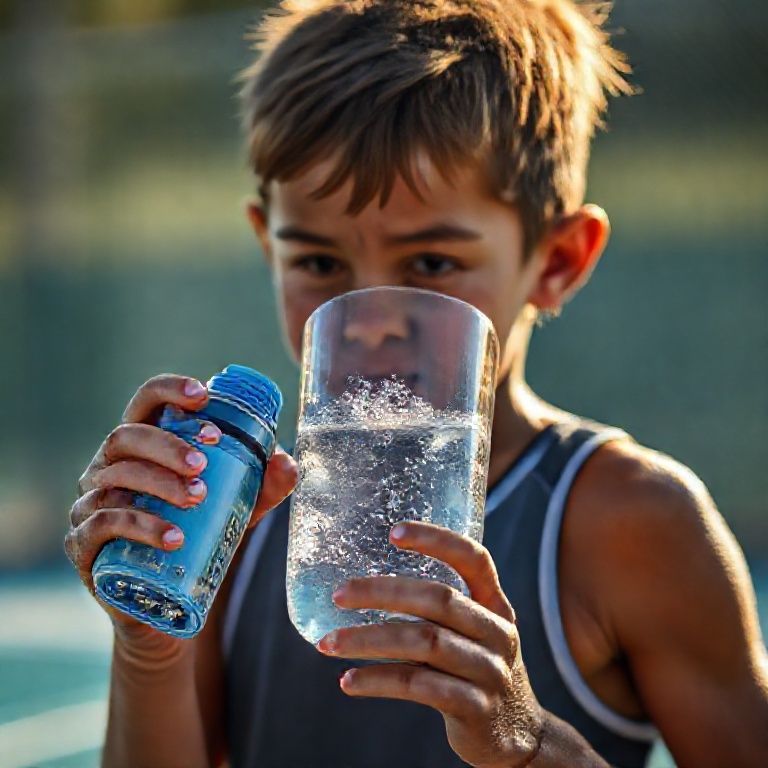
Hydration plays a crucial role in endurance sports, as it helps athletes perform at their best and recover from intense physical activity. Even mild dehydration can lead to decreased performance, fatigue, and increased risk of injury or illness (1). A well-structured hydration plan is essential for endurance athletes to optimize their performance and reduce the risk of dehydration-related complications.
Step 1: Assessing Individual Hydration Needs
Evaluating Body Weight and Composition
To determine individual hydration needs, athletes need to assess their body weight and composition. This includes calculating body mass index (BMI) and body fat percentage. Athletes with a higher BMI or body fat percentage may require more fluid intake to stay hydrated.
Monitoring Urine Output and Color
Another important factor in assessing hydration needs is monitoring urine output and color. If an athlete’s urine is pale yellow or clear, they are likely well-hydrated. Dark yellow or amber-colored urine indicates dehydration.
Step 2: Developing a Hydration Plan
Setting Daily Fluid Intake Goals
The first step in developing a hydration plan is to set daily fluid intake goals. The American College of Sports Medicine (ACSM) recommends that endurance athletes aim to drink at least 17-20 ounces (500-600 ml) of fluid 2-3 hours before exercise, and 7-10 ounces (200-300 ml) every 10-15 minutes during exercise (2).
Considering Climate and Environmental Factors
Climate and environmental factors can also impact an athlete’s hydration needs. For example, athletes competing in hot and humid conditions may require more fluid intake to stay hydrated.
Step 3: Implementing a Hydration Plan During Exercise
Monitoring Fluid Intake During Exercise
During exercise, it is essential to monitor fluid intake regularly. Athletes should drink fluids at regular intervals, such as every 10-15 minutes, to ensure they are staying hydrated.
Adjusting Fluid Intake Based on Climate and Environmental Factors
Athletes competing in hot and humid conditions may need to adjust their fluid intake based on the temperature and humidity levels. For example, if the temperature is above 90°F (32°C), athletes may require more fluid intake to stay hydrated.
Step 4: Maintaining Hydration After Exercise
Replenishing Fluids and Electrolytes
After exercise, it is essential to replenish fluids and electrolytes to prevent dehydration and support recovery. Athletes should drink a sports drink or coconut water within 30-60 minutes after exercise to replenish lost electrolytes.
Monitoring Post-Exercise Hydration
Athletes should monitor their post-exercise hydration levels regularly to ensure they are staying hydrated. If an athlete’s urine is pale yellow or clear, they are likely well-hydrated. Dark yellow or amber-colored urine indicates dehydration.
References:
1. American College of Sports Medicine. (2018). ACSM’s Guidelines for Exercise Testing and Prescription.
2. Institute of Medicine. (2004). Dietary Reference Intakes for Water, Potassium, Sodium, Chloride, and Sulfate.

Conclusion
In conclusion, creating an effective hydration plan is crucial for endurance athletes to optimize their performance and minimize the risk of dehydration-related injuries. By understanding individual fluid needs, monitoring urine color and output, and adjusting hydration strategies based on climate, terrain, and intensity level, athletes can fine-tune their hydration plans to achieve peak performance.
We urge all endurance athletes to take control of their hydration by consulting with a sports dietitian or healthcare professional to develop a personalized plan. By doing so, they will be better equipped to stay hydrated, maintain optimal energy levels, and reach their full potential on the field, track, or trail.
Here are five concise FAQs for a hydration plan for endurance athletes:
Q: How much water should I drink before an endurance event?
A: Aim to drink 16-20 ounces (about 500-600 ml) of water 2-3 hours before the event, and another 8-10 ounces (about 250-300 ml) every 15-20 minutes during the event.
Q: What is the optimal hydration ratio for endurance athletes?
A: The general recommendation is to drink 17-20% carbohydrates and 78-83% water by weight. For example, if you weigh 150 pounds (68 kg), aim to consume 26-30 grams of carbohydrates and 122-136 grams of water.
Q: Can I use sports drinks during endurance events?
A: Yes, but only if you’re engaging in high-intensity or long-duration activities lasting more than 60 minutes. Sports drinks can provide essential electrolytes and carbohydrates for replenishment.
Q: How do I monitor my hydration levels during an event?
A: Pay attention to your urine color (it should be pale yellow), the amount of sweat you produce, and how you feel physically. If you’re feeling dehydrated or experiencing symptoms like headaches or dizziness, adjust your hydration plan accordingly.
Q: Can I rehydrate after an endurance event by drinking a lot of water?
Here’s a short quiz for ‘hydration plan for endurance athletes’:
Question 1: What is the recommended daily water intake for most adult endurance athletes?
A) 2-3 liters
B) 8-10 cups (64-80 ounces)
C) 1 liter
Show answer
Answer: B) 8-10 cups (64-80 ounces)
Question 2: Which of the following is a common mistake that endurance athletes make when it comes to hydration?
A) Overhydrating before exercise
B) Underestimating the amount of sweat lost during exercise
C) Drinking too much water after exercise
Show answer
Answer: B) Underestimating the amount of sweat lost during exercise
Question 3: What is the optimal time frame for consuming fluids during endurance events?
A) Immediately after starting the event
B) Every 15-20 minutes during long events
C) After finishing the event
Show answer
Answer: B) Every 15-20 minutes during long events
Question 4: Which of the following electrolyte options is recommended for most endurance athletes to consume during exercise?
A) Sodium chloride tablets
B) Potassium citrate powder
C) Magnesium sulfate solution
Show answer
Answer: A) Sodium chloride tablets

This is exactly what I was looking for. Very helpful! Looking forward to more content like this.
Thanks for this post. Thank you for the comprehensive breakdown.