
How To Plan A Community Sports Event: 11 Proven Methods to Get Started Today


how to plan a community sports event
Introduction
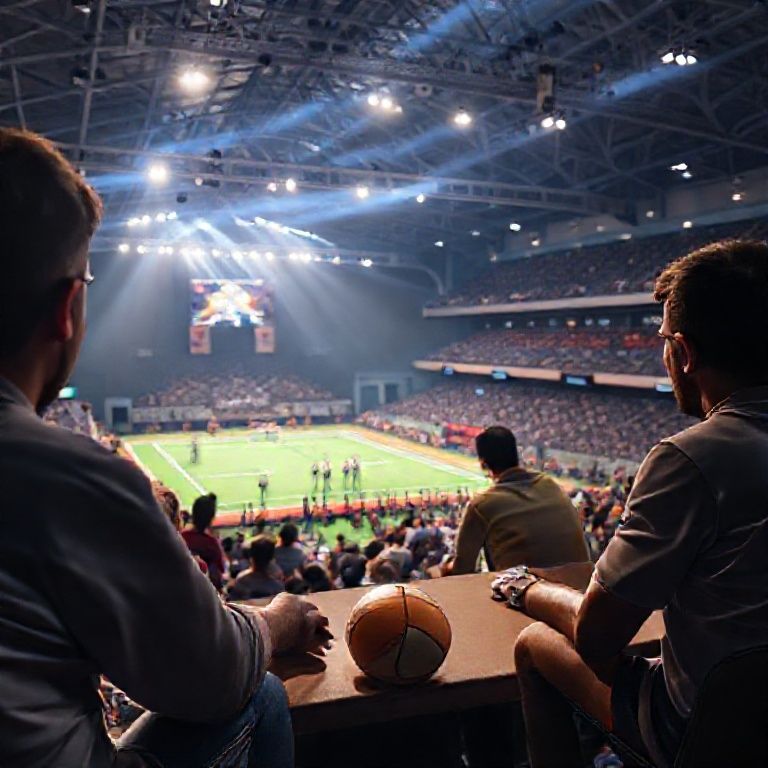
As communities come together to promote physical activity and social connection, hosting a successful community sports event can be a powerful way to build relationships and foster a sense of belonging among residents. However, planning such an event requires careful consideration and attention to detail to ensure its success. From choosing the right activities to managing logistics and resources, there are many factors to consider when organizing a community sports event.
For those who have never planned a large-scale event before, the process can seem daunting and overwhelming. But with a clear plan and a focus on collaboration and communication, it is possible to bring people together and create an enjoyable experience for all involved. In this article, we will explore the key steps and considerations necessary to help you plan a successful community sports event.
By following these guidelines and tips, you can turn your vision into a reality and host an event that brings joy and excitement to your community. Whether you’re a seasoned event planner or just starting out, understanding how to plan a community sports event is essential for creating a memorable and engaging experience for participants and spectators alike.
Pre-Event Planning (Weeks/Months Before the Event)
Step 1: Define the Event Concept and Objective
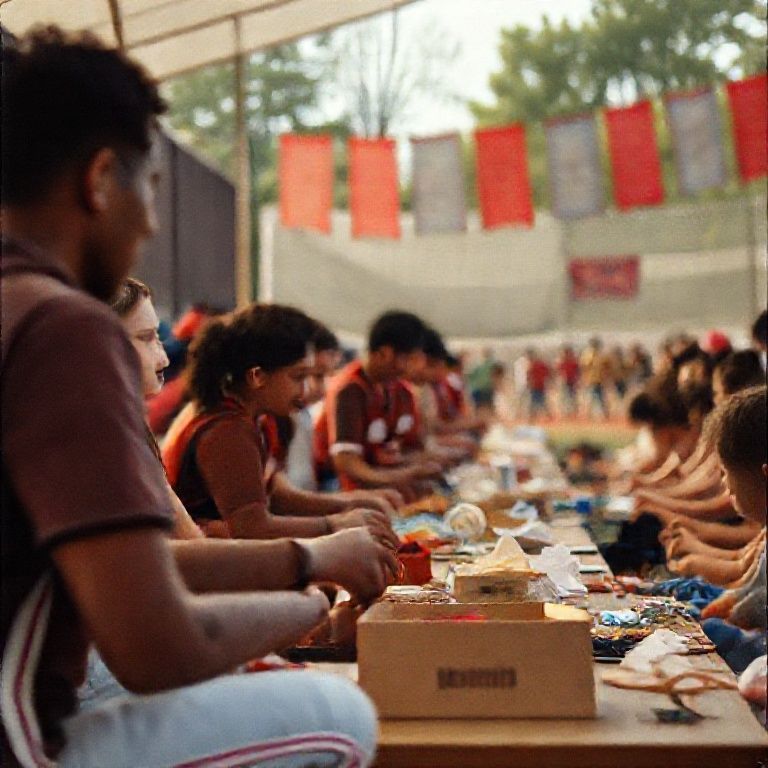
Identify the purpose of the event and what it aims to achieve. This could be raising funds for a local charity, promoting community engagement, or fostering intergenerational relationships between sports teams. Clearly define the target audience, expected attendance, and desired outcomes.
For example, let’s consider a community soccer tournament that aims to raise funds for a local youth football academy. The event concept is centered around promoting community engagement, social interaction, and fundraising for a worthy cause.
Step 2: Establish a Budget and Secure Funding
Create a comprehensive budget outlining projected income and expenses. Research potential sponsors and partners who can contribute to the event’s success. Reach out to local businesses, sports clubs, and community organizations to explore partnership opportunities.
The budget should include costs such as venue rental, equipment rental, staffing, marketing materials, and contingency funds for unexpected expenses. Secure sponsorships from local businesses that align with the event’s values and goals.
Step 3: Identify Key Partners and Sponsors
Identify potential partners who can contribute to the event’s success. This could include:
Local sports clubs or organizations that can provide teams and expertise
Community groups or charities that can benefit from the fundraising efforts
Local businesses that can provide sponsorship or donations
For instance, a local sports bar can be secured as an official sponsor, providing drinks and snacks for spectators in exchange for branding and promotional opportunities.
Venue Selection and Logistics
Step 4: Choose a Suitable Venue
Select a venue that can accommodate the expected number of attendees and provides necessary amenities. Ensure the venue has adequate parking, accessibility, and facilities for participants and spectators.
Consider factors such as:
Space availability and configuration
Amenities such as restrooms, concessions, and seating areas
Accessibility for people with disabilities
For example, a local park or recreation center can be selected as the event venue due to its space availability, parking options, and accessibility features.
Step 5: Coordinate with Local Authorities and Services
Coordinate with local authorities and services to ensure the event runs smoothly. This includes:
Obtaining necessary permits and licenses
Ensuring compliance with health and safety regulations
Coordinating with emergency services and first aid teams
For instance, a meeting can be held with local park officials to confirm the use of the venue, discuss any logistical concerns, and ensure that all necessary permits are in place.
Event Organization and Promotion
Step 6: Create an Event Plan and Timeline
Develop a detailed event plan, including setup, registration, competition schedules, and wrap-up procedures. Establish a timeline to ensure all aspects of the event are executed smoothly.
Create a comprehensive event schedule, including:
Setup and teardown times
Registration and check-in procedures
Competition schedules and timing
Wrap-up and evaluation procedures
For example, an event plan can be created that includes setup starting at 8am, registration opening at 9am, competition beginning at 10am, and wrap-up concluding by 2pm.
Step 7: Promote the Event Through Various Channels
Utilize social media platforms, local newspapers, and community newsletters to promote the event. Create eye-catching posters, flyers, and banners to distribute throughout the community.
Consider using online marketing channels such as:
Social media advertising
Email marketing campaigns
Online registration and ticketing systems
For instance, a Facebook event page can be created to share updates, promotions, and schedules with potential attendees.
Managing Event Day Operations
Step 8: Prepare for Event Day
Conduct a thorough risk assessment, identify potential issues, and develop contingency plans. Ensure sufficient staff and volunteers are in place to manage event day operations.
Prepare for potential risks such as inclement weather, equipment failure, or medical emergencies. Develop contingency plans to mitigate these risks and ensure the event runs smoothly.
Step 9: Execute the Event Plan
Oversee the setup, registration, and competition schedules. Monitor event progress, respond to any issues or concerns, and ensure a smooth conclusion.
Ensure that all aspects of the event are executed according to plan, including:
Registration and check-in procedures
Competition schedules and timing
Food and beverage services
Event wrap-up and evaluation procedures
By following these steps, you can plan a successful community sports event that

Conclusion
In conclusion, planning a successful community sports event requires careful consideration of several key factors, including venue selection, budgeting, marketing, and participant engagement. By following these steps and staying organized, you can create an enjoyable and inclusive experience for athletes, spectators, and volunteers alike.
If you’re interested in hosting your own community sports event, start by defining your goals and objectives. Identify the type of event you want to host, the target audience, and the resources you need to make it happen. Next, develop a detailed plan and timeline, including budgeting, venue selection, and marketing strategies.
Reach out to local organizations, businesses, and community groups to build partnerships and secure sponsorships. Promote your event through social media, flyers, and local newspapers to generate buzz and attract participants. Finally, ensure that you have the necessary equipment, supplies, and volunteers to make your event a success.
Remember, planning a community sports event is a team effort that requires collaboration, creativity, and perseverance. By working together and staying committed to your goals, you can create an unforgettable experience for everyone involved.
Here are five concise FAQ pairs for planning a community sports event:
Q: What is the first step in planning a community sports event?
A: The first step is to define the purpose and scope of the event, including its goals, target audience, and expected outcomes.
Q: How do I choose a date and venue for my community sports event?
A: Choose a date that avoids conflicts with other local events and select a venue that can accommodate your expected number of attendees and provides necessary amenities.
Q: What are some essential elements to include in the event program?
A: The event program should include information on registration, rules, schedules, and contact details for organizers, officials, and volunteers.
Q: How do I ensure the safety and well-being of participants at my community sports event?
A: Develop a comprehensive risk management plan that includes emergency response procedures, concussion protocols, and adequate medical support.
Q: What resources are available to help me promote my community sports event?
Here’s a short quiz on how to plan a community sports event:
Question 1: What is the first step in planning a community sports event?
A) Finalize the date and venue
B) Create a budget and secure funding
C) Develop a marketing strategy
Show answer
Answer: B) Create a budget and secure funding
Question 2: Which of the following is an essential aspect to consider when choosing a venue for a community sports event?
A) Cost and availability of parking
B) Quality of facilities and amenities
C) Proximity to public transportation
Show answer
Answer: C) Proximity to public transportation
Question 3: How can you ensure that your marketing efforts are effective in attracting participants and spectators to the event?
A) Focus on social media advertising only
B) Use a combination of traditional and digital marketing strategies
C) Rely solely on word-of-mouth promotion
Show answer
Answer: B) Use a combination of traditional and digital marketing strategies
Question 4: What is an important factor to consider when determining the length of your community sports event?
A) The number of participants expected
B) The availability of resources and staff
C) The duration of the competition or activity
Show answer
Answer: C) The duration of the competition or activity








You explained this so clearly. Thank you! Thanks for sharing!
I appreciate the depth of research in this post. 👍
Thank you for taking the time to write this. Looking forward to more content like this.
Very informative and well-written article.
I learned something new today! Thanks!