
How To Pick The Right Sport For Kids: 13 Effective Ideas to Build Endurance

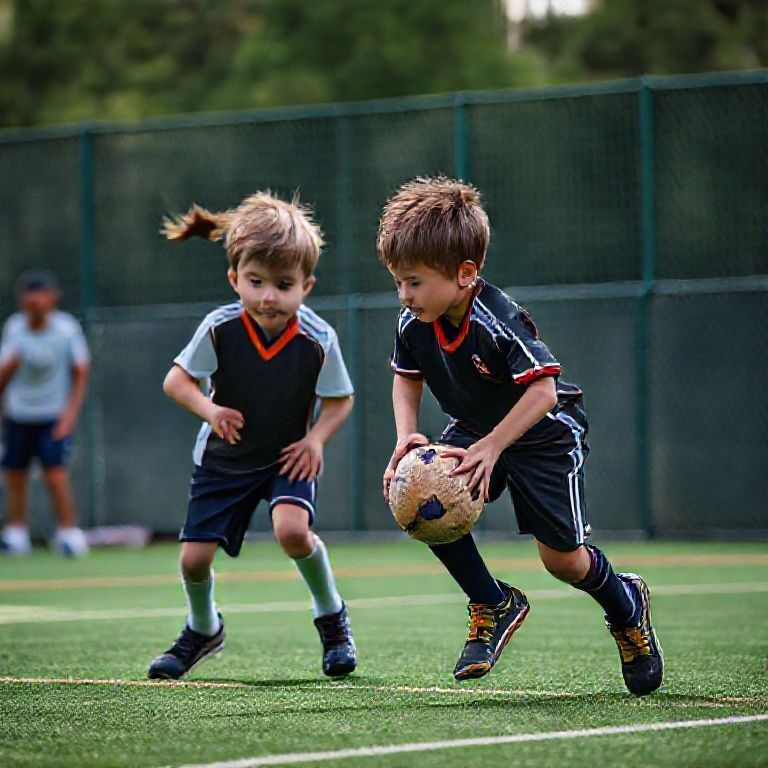
how to pick the right sport for kids

Introduction
As a parent, one of the most daunting decisions you’ll ever make is helping your child choose a sport to play. With so many options available, from team sports like soccer and basketball to individual activities like swimming and gymnastics, it can be overwhelming to determine which one is best for your little athlete. The right sport can provide a lifelong love of physical activity, social connections, and personal growth, but the wrong choice can lead to boredom, frustration, and even burnout.
But how do you pick the right sport for your child? It’s not just about finding a game they’ll enjoy playing – it’s also about considering their interests, abilities, and personality. Every child is unique, with their own strengths, weaknesses, and motivations. By taking the time to understand what makes your child tick, you can help them find a sport that will truly engage and inspire them.
In this article, we’ll explore the key factors to consider when choosing a sport for your child, from their interests and abilities to the level of competition and cost involved. We’ll also examine some popular sports options for kids, including team sports, individual activities, and adaptive sports for children with disabilities. By following our guide, you’ll be able to make an informed decision that will set your child up for a lifetime of physical activity, social connection, and personal growth.

Understanding the Importance of Choosing the Right Sport for Kids
Choosing a sport for your child can be a daunting task, especially with so many options available. However, selecting the right sport at an early age is crucial for their physical, emotional, and social development.
Assessing Your Child’s Interests and Abilities
Before choosing a sport, it’s essential to assess your child’s interests and abilities. Here are some steps you can follow:
Step 1: Observe Your Child’s Interests
Observe your child’s natural talents and interests. Do they enjoy running around with friends? Are they skilled at catching or throwing a ball? These early observations can help guide your decision-making process.
For example, if your child shows a strong interest in soccer and is naturally good at kicking the ball, it may be worth considering that sport as an option. On the other hand, if they’re more interested in swimming and have a talent for diving, that could be a great fit too.
Step 2: Evaluate Their Physical Abilities
Evaluate your child’s physical abilities, such as their strength, speed, agility, and endurance. Consider enrolling them in sports that focus on developing these skills.
For instance, if your child has excellent sprinting ability, track and field events could be a great fit. If they have strong jumping skills, volleyball or basketball might be a good option.
Evaluating the Benefits of Different Sports
Different Sports Offer Unique Benefits for Kids. Here Are Some Popular Options:
Step 1: Team Sports Vs. Individual Sports
Team sports like soccer, basketball, and hockey promote teamwork, communication, and social skills, while individual sports like tennis, swimming, and gymnastics focus on personal achievement and discipline.
For example, team sports can help children develop important life skills like cooperation, empathy, and conflict resolution. On the other hand, individual sports can help them build confidence, self-discipline, and a strong work ethic.
Step 2: Contact Sports Vs. Non-Contact Sports
Contact sports like football, hockey, and lacrosse carry higher injury risks than non-contact sports like soccer, basketball, and tennis.
For instance, if your child is interested in contact sports but is still developing their physical skills, it may be better to start with a less physically demanding sport like soccer or flag football. As they grow and develop, you can consider more contact-intensive sports.
Considerations When Choosing a Sport
When choosing a sport for your child, consider the following factors:
Step 1: Safety and Injury Risk
Consider the safety aspect of each sport. Some sports, like skiing or skateboarding, carry higher injury risks than others.
For example, if you’re considering enrolling your child in a ski club, make sure they have experience with snow sports and are wearing proper safety gear. Similarly, if you’re considering enrolling them in gymnastics, look for clubs that emphasize safety protocols and proper technique.
Step 2: Cost and Accessibility
Evaluate the cost of equipment, uniforms, and registration fees for each sport. Consider sports that are more accessible and affordable.
For instance, many community centers offer affordable programs for kids to learn basic skills like swimming or soccer. You can also look into local clubs or organizations that offer scholarships or financial aid.
Getting Started
Once you’ve chosen a sport, here are some practical steps to get started:
Step 1: Find Local Programs and Coaches
Research local programs, clubs, and coaches who specialize in the chosen sport. Look for organizations with experienced coaches and a focus on safety and development.
For example, you can search online for local soccer clubs or swimming pools that offer lessons for kids. You can also ask friends, family members, or your child’s teacher for recommendations.
Step 2: Invest in Proper Equipment
Invest in proper equipment, such as cleats, balls, and gear, to ensure your child’s safety and performance.
For instance, if you’re considering enrolling your child in hockey, make sure they have the right equipment, including a helmet, gloves, and skates. Similarly, if you’re considering enrolling them in gymnastics, look for clubs that offer proper equipment and safety gear.
Step 3: Encourage Practice and Fun
Encourage your child to practice regularly and have fun while playing the sport. A positive experience will help keep them engaged and motivated.
For example, set aside time each week for your


Conclusion
In choosing the right sport for your child, it’s essential to consider their unique interests, abilities, and personality traits. By exploring different options and finding activities that align with their strengths and passions, you can help foster a lifelong love of physical activity and sportsmanship.
To get started, encourage your child to try out various sports and games, allowing them to discover what they enjoy most. Consider enrolling them in a beginner’s program or camp to introduce them to different disciplines. Additionally, talk to coaches, parents, and peers who have experience with the sport, gathering valuable insights and advice.
Most importantly, remember that every child is different, and there is no one-size-fits-all approach. By being open-minded, supportive, and patient, you can help your child find a sport that not only brings them joy but also promotes their overall well-being and development.
Here are five concise FAQ pairs for “How to Pick the Right Sport for Kids”:
Q: What factors should I consider when choosing a sport for my child?
A: Factors such as age, skill level, interests, and physical abilities should be considered when selecting a sport.
Q: How can I determine if my child has a natural talent for a particular sport?
A: Observe your child’s interest, enthusiasm, and willingness to participate in various activities. Encourage them to try out different sports to see what they enjoy the most.
Q: Are team sports or individual sports better for kids?
A: Both team and individual sports have benefits. Team sports promote teamwork and social skills, while individual sports focus on personal achievement and self-improvement.
Q: How often should my child participate in physical activity to stay healthy and active?
A: The American Academy of Pediatrics recommends at least 60 minutes of moderate-to-vigorous physical activity per day for children aged 2-18 years.
Q: What if my child doesn’t seem interested in any sports, what can I do?
Here’s a short quiz for “How to Pick the Right Sport for Kids”:
Question 1: What is an important factor to consider when choosing a sport for your child?
A) Cost of equipment
B) Time commitment required
C) Physical fitness level
Show answer
Answer: B) Time commitment required
Question 2: Which sport is often recommended for younger children (ages 5-7)?
A) Contact sports like soccer or hockey
B) Non-contact team sports like basketball or volleyball
C) Individual sports like tennis or swimming
Show answer
Answer: A) Contact sports like soccer or hockey
Question 3: What type of sport is best suited for kids who are more physically fit and have a lot of energy?
A) Low-impact sports like bowling or golf
B) Team sports like football or lacrosse
C) Individual sports like gymnastics or skateboarding
Show answer
Answer: B) Team sports like football or lacrosse
Question 4: Which sport is often recommended for kids who are shy or have trouble making friends on the team?
A) Large group sports like soccer or flag football
B) Small group sports like tennis or badminton
C) Individual sports like swimming or archery
Show answer
Answer: B) Small group sports like tennis or badminton






Thanks for this post. This post is a goldmine of useful information.
I enjoyed reading this. Your expertise really shows in this post.
So helpful and informative! 💯
I love how you break down complex topics. Looking forward to more content like this.
Your insights are always spot-on. Thanks for sharing!
I enjoyed reading this. Amazing content as always. Looking forward to more posts like this.