
How To Pace A 5K Race: 5 Genius Tips that Actually Work

how to pace a 5k race
Introduction
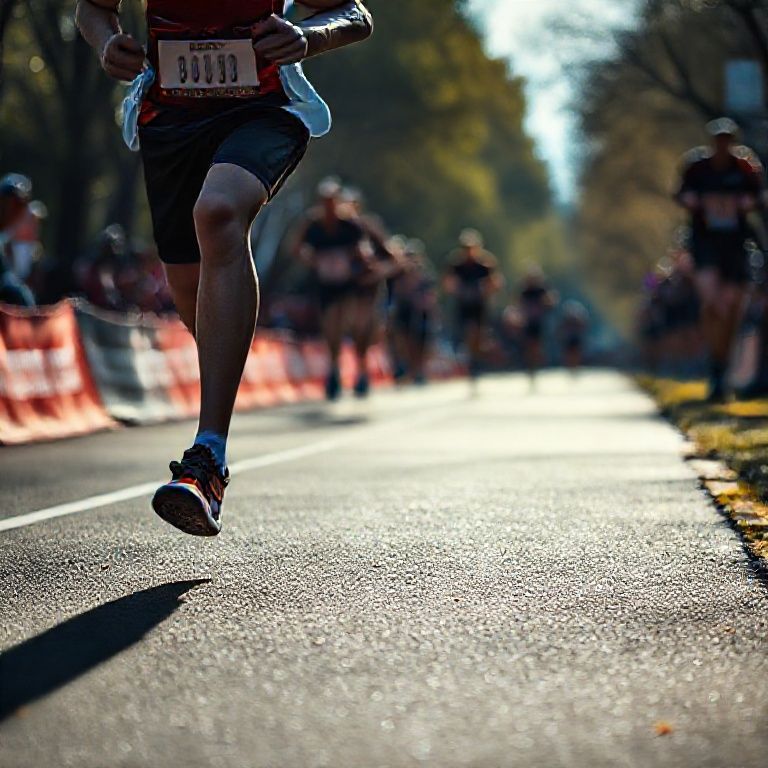
For many runners, the 5K is the perfect distance to test their endurance and speed. It’s long enough to require strategy and pacing, but short enough to be achievable with proper training and planning. However, for those new to racing or looking to improve their performance, pacing a 5K can be a daunting task. The key to success lies in finding that elusive balance between pushing yourself hard enough to reach your goal, yet not exhausting yourself too quickly.
When it comes to pacing a 5K race, there’s no one-size-fits-all approach. Factors such as the runner’s fitness level, course terrain, and weather conditions all play a role in determining the optimal pace. However, by understanding some basic principles of pacing, runners can ensure they’re on track to reach their goal and avoid burning out before the finish line.
In this article, we’ll explore the ins and outs of pacing a 5K race, including how to set realistic goals, create a training plan, and make strategic decisions during the race itself. Whether you’re a seasoned athlete or just starting out, these tips and tricks will help you navigate the challenges of pacing a 5K and reach your full potential.
Pre-Race Preparation Is Key
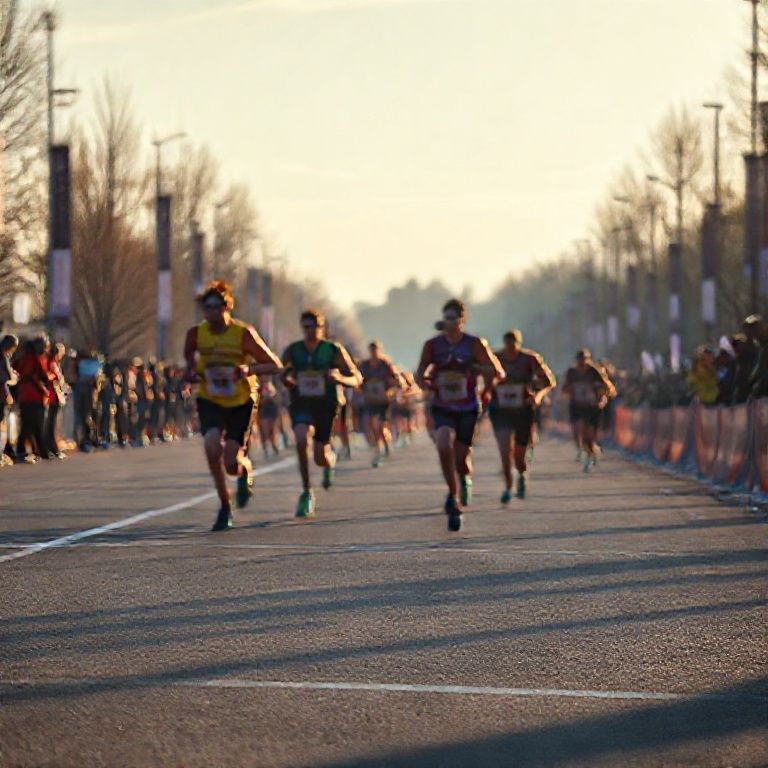
Before you even start running, it’s essential to prepare yourself physically and mentally for the 5K race. Here are some tips to help you get started:
Building Up Your Endurance
To pace a 5K race successfully, you need to have a solid foundation of cardiovascular endurance. Start by incorporating regular aerobic exercise into your routine, such as brisk walking or jogging. Aim to increase your weekly mileage gradually over the next few weeks leading up to the race.
For example, if you’re new to running, start with short runs (20-30 minutes) three times a week and gradually increase the duration and frequency over time. If you’re already an experienced runner, aim to maintain a consistent workout schedule that includes a mix of cardio and strength training.
Practice Your Pacing Strategy
Once you’ve built up your endurance, practice pacing yourself during shorter runs. Try running at a moderate pace for 20-30 minutes, followed by a 5-minute walk break. Repeat this pattern several times and adjust your pace as needed.
For instance, if you’re trying to build up your endurance, start with a 10K training plan that includes two longer runs (6 miles) and two shorter runs (3 miles). Gradually increase the distance of your longer runs over time while keeping the shorter runs consistent. This will help you develop a sense of pacing and allow you to adjust your speed as needed.
Understanding Your Goal Pace
Your goal pace will depend on your fitness level and the specific 5K race you’re participating in. A general rule of thumb is to aim for a pace that’s about 10-15% slower than your personal best time. For example, if your personal best time is 25 minutes, your goal pace would be around 28-30 minutes.
To calculate your goal pace, use the following formula:
Goal Pace = (Personal Best Time x 0.85) + Time Off
Where:
Personal Best Time is your fastest time for a given distance.
Time Off is any time you’ve taken off from running due to injury or illness.
For example, if your personal best time is 25 minutes and you’ve been taking time off for 3 months, your goal pace would be:
Goal Pace = (25 x 0.85) + 3
= 21.25 + 3
= 24.25
Pacing Strategies During the Race
During the race, there are several strategies you can use to maintain a consistent pace:
Stay Hydrated and Fueled
Make sure to drink plenty of water and eat regular snacks during the race to keep your energy levels up. Aim for small, easily digestible snacks like energy gels or bananas that provide a quick boost of energy.
For instance, if you’re running in a hot and humid climate, make sure to drink at least 16-20 ounces of water every hour. If you’re running in a cool climate, you may be able to get away with less water, but still aim for at least 8-12 ounces per hour.
Use the Splits from Previous Races
If you’ve completed 5K races before, look at your previous splits (times for each mile) to get an idea of how fast you’re running. This can help you adjust your pace on the fly if needed. For example, if you know that you tend to run faster in the first mile and slower in the second mile, try to maintain a consistent pace by slowing down slightly as you approach the end of the race.
Focus on Your Breathing and Form
By following these tips, you’ll be well on your way to pacing a successful 5K race. Remember to focus on your breathing and form throughout the race, taking deep breaths in through your nose and out through your mouth to help maintain a consistent pace.
Additionally, try to relax and enjoy the experience by focusing on your surroundings and the people around you. This can help distract you from any discomfort or fatigue and allow you to stay focused on your goal pace.

Conclusion
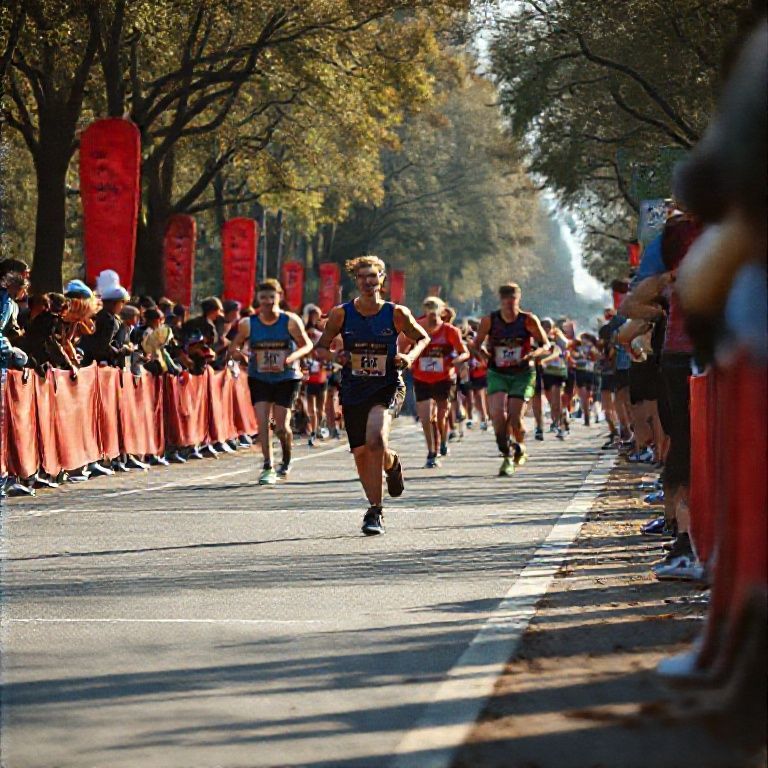
In conclusion, pacing a 5K race requires careful planning and execution. By setting realistic goals, creating a structured training plan, and incorporating proper nutrition and hydration strategies, runners can optimize their performance and achieve a personal best time. To help you get started, we recommend that you consult with a running coach or experienced runner to develop a customized training plan tailored to your needs and abilities. Additionally, make sure to stay hydrated and fueled during the race by consuming electrolyte-rich foods and drinks and taking regular breaks to stretch and recover. With dedication, persistence, and proper preparation, you can crush your 5K goals and unlock a more confident and empowered runner.
Here are five concise FAQ pairs on how to pace a 5K race:
Q: What is the ideal pacing strategy for a 5K race?
A: A good starting strategy is to aim to run at a consistent, moderate pace from the beginning, with the goal of finishing strong.
Q: How far in advance should I start my pace if I’m a beginner runner?
A: As a beginner, it’s best to start about 30-60 seconds ahead of your target finish time to allow for any unexpected delays or slowdowns during the race.
Q: Should I try to maintain a consistent pace throughout the entire race?
A: While consistency is key, it’s also important to save some energy for the final stretch. Aim to hold your pace steady from mile 2-4, then give yourself a slight boost for the last mile.
Q: How do I know if my pace is too slow or too fast during the race?
A: Pay attention to how you’re feeling and the crowd’s cheers â if you’re feeling strong and hearing encouragement from spectators, your pace is likely good. If you’re struggling or feeling fatigued, it may be too slow.
Q: What should I do if I’m a faster runner and want to finish with a personal best?
Here’s a short quiz on how to pace a 5K race:
Question 1: What is the ideal pace for a beginner runner during a 5K race?
A) Finish as fast as possible
B) Start at a moderate pace and slow down gradually
C) Try to maintain a consistent pace throughout the entire race
Show answer
Answer: B
Question 2: How should you adjust your pace during the first mile of a 5K race?
A) Speed up immediately to get a head start
B) Maintain a steady pace, but slightly increase it to account for potential congestion
C) Slow down significantly due to initial nervousness
Show answer
Answer: B
Question 3: What is the best strategy for pacing during the final mile of a 5K race?
A) Give it your all and sprint to the finish line
B) Maintain a steady pace, but slightly increase it to push through any remaining energy
C) Slow down significantly due to fatigue and mental exhaustion
Show answer
Answer: B
Question 4: How often should you check your watch or monitor your pace during a 5K race?
A) Every 100 yards
B) At the 1-mile mark, the 2-mile mark, and the final mile
C) Only at the finish line





Great article! This helped me solve my problem. Thank you so much!
Thanks for sharing your expertise on this topic. This was really helpful.
Thanks for sharing your expertise on this topic.