
How To Overcome Performance Anxiety: 10 Confidence Killers that Confuse Beginners

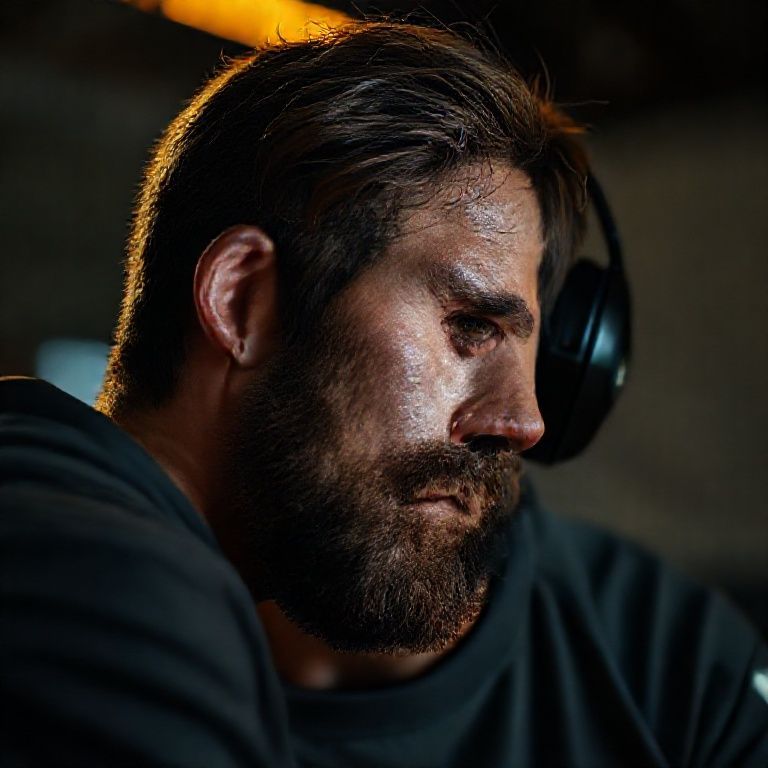
how to overcome performance anxiety

Introduction
For many of us, the thought of stepping onto a stage or into a high-pressure work environment can evoke a sense of dread that’s hard to shake. Performance anxiety is a common phenomenon that affects individuals from all walks of life, whether it’s a public speaker, an athlete, or simply someone who needs to present in front of a group. It’s the feeling of being on edge, of not knowing what’s going to happen next, and of being constantly self-conscious about one’s performance.
Performance anxiety can have serious consequences, from debilitating nervousness that makes it hard to sleep at night to full-blown panic attacks that disrupt daily life. It can also stifle creativity, hinder progress, and even hold people back from pursuing their passions. But what if there was a way to overcome this crippling fear and tap into your inner confidence? With the right strategies and mindset shifts, it is possible to manage performance anxiety and deliver high-quality performances under pressure.
In this article, we’ll explore practical tips and techniques for overcoming performance anxiety, from understanding its root causes to developing coping mechanisms that work in the heat of the moment. Whether you’re looking to boost your public speaking skills, nail a job interview, or simply feel more confident in your daily interactions, this guide will provide you with the tools and inspiration you need to take control of your nerves and unleash your full potential.

Understanding Performance Anxiety
Performance anxiety, also known as performance-related anxiety or stage fright, is a common phenomenon that affects individuals in various settings, including work, school, and public speaking engagements. It can manifest as fear of failure, self-doubt, and a heightened sense of alertness, leading to physical symptoms such as rapid heartbeat, sweating, and trembling.
Causes of Performance Anxiety
Performance anxiety can be caused by a range of factors, including:
Fear of evaluation or judgment
Pressure to perform well
Lack of preparation or rehearsal
Past traumatic experiences
Negative self-talk and self-criticism
Perfectionism
High expectations from others or oneself
Lack of control over the performance situation
Identifying Triggers
To overcome performance anxiety, it’s essential to identify the triggers that cause your anxiety. Take time to reflect on your past performances and note the situations, thoughts, and physical sensations that led to your anxiety.
Common Performance Anxiety Triggers
Common performance anxiety triggers include:
Public speaking engagements
High-stakes presentations
Auditions or performances
Critical exams or assessments
Meetings with important stakeholders or decision-makers
Presenting new ideas or solutions
Performing in front of a large audience
Rehearsing for an important event or presentation
Building Confidence
Building confidence is a crucial step in overcoming performance anxiety. Here are some strategies to help you build your confidence:
Strategies for Building Confidence
Practice relaxation techniques, such as deep breathing and progressive muscle relaxation
Focus on your strengths and accomplishments
Develop a growth mindset and view challenges as opportunities for growth
Seek feedback from trusted sources and use it to improve your performance
Set realistic goals and celebrate small wins
Learn to reframe negative self-talk and focus on positive affirmations
Practice positive self-care, such as exercise, meditation, or spending time with loved ones
Overcoming Performance Anxiety
Overcoming performance anxiety requires a combination of self-awareness, confidence-building strategies, and practical techniques. Here are some steps you can take:
Steps to Overcome Performance Anxiety
1. Prepare thoroughly: Rehearse your performance until you feel confident with the material.
2. Use positive self-talk: Encourage yourself with positive affirmations, such as “I am well-prepared” or “I can handle this.”
3. Visualize success: Imagine yourself performing successfully and receiving positive feedback.
4. Focus on the present moment: Instead of worrying about the future or past, focus on the present moment and what you can control.
5. Use physical relaxation techniques: Use techniques such as deep breathing, progressive muscle relaxation, or visualization to calm your nerves before a performance.
6. Develop a pre-performance routine: Develop a consistent pre-performance routine that helps you feel focused and prepared.
7. Seek support from others: Share your concerns with friends, family, or a therapist and ask for their support and encouragement.
Conclusion
Overcoming performance anxiety takes time, effort, and practice. By understanding your triggers, building confidence, and using practical techniques, you can learn to manage your performance anxiety and achieve success in your chosen field.
For more information on managing performance anxiety, visit:
The Anxiety and Depression Association of America


Conclusion
In overcoming performance anxiety, it’s essential to recognize that you are not alone and that there is support available to help you manage your nerves. By acknowledging the physical and emotional symptoms of performance anxiety, seeking professional help when needed, and practicing relaxation techniques such as deep breathing and visualization, you can learn to calm your mind and body before a performance. Additionally, reframing your mindset around success and failure, focusing on the process rather than the outcome, and developing coping strategies such as positive self-talk and physical exercise can also be effective in managing performance anxiety. Take the first step towards overcoming your performance anxiety today by speaking with a mental health professional or seeking out resources such as mindfulness apps or online forums to help you build confidence and manage your nerves.
Here are five concise FAQ pairs on how to overcome performance anxiety:
Q: What is the root cause of performance anxiety?
A: Performance anxiety, also known as stage fright or test anxiety, is often caused by fear of failure, fear of criticism, and pressure to perform well.
Q: How can I prepare for a high-pressure situation to reduce my anxiety levels?
A: Preparation is key. Research the topic, practice your lines, and visualize success to build confidence and reduce anxiety.
Q: What are some relaxation techniques that can help me calm down before a performance?
A: Techniques such as deep breathing, progressive muscle relaxation, and visualization can help calm the mind and body. You can also try physical exercise or meditation to reduce stress.
Q: How can I reframe my negative thoughts about failure or mistakes?
A: Challenge your negative thoughts by reframing them in a positive light. Instead of thinking “I’ll fail,” tell yourself “I’ll learn from this experience.”
Q: What support systems are available to help me manage performance anxiety?
Here’s a short quiz on how to overcome performance anxiety:
Question 1: What is the first step in managing performance anxiety?
A) Visualize yourself performing well
B) Avoid thinking about your upcoming performance
C) Try to relax by taking deep breaths
Show answer
Answer: A) Visualize yourself performing well
Question 2: Which technique can help you focus on the present moment and reduce worries about the future or past?
A) Mindfulness meditation
B) Positive self-talk
C) Rehearsing your lines in front of a mirror
Show answer
Answer: A) Mindfulness meditation
Question 3: What is the best way to manage physical symptoms of performance anxiety, such as a racing heart or sweaty palms?
A) Try to push through them and ignore them
B) Use relaxation techniques like progressive muscle relaxation or visualization
C) Drink more caffeine to try to calm down
Show answer
Answer: B) Use relaxation techniques like progressive muscle relaxation or visualization
Question 4: How can you reframe your mindset about performance anxiety to help you feel more confident?
A) Tell yourself that it’s normal and will go away on its own
B) Focus on the positive aspects of your preparation and skills
C) Try to avoid thinking about your performance at all costs
Show answer
Answer: B) Focus on the positive aspects of your preparation and skills





Thanks for this post. Fantastic insights! Really appreciate your expertise.
This opened my eyes to a new way of thinking. 💯
This is exactly what I was looking for. Very helpful! Looking forward to more content like this.
Your expertise really shows in this post. This was really helpful.
Excellent post! I learned something new today. 💯
This post is a goldmine of useful information.