
How To Introduce Kids To Sports: 10 Confidence Killers that Confuse Beginners

how to introduce kids to sports

Introduction
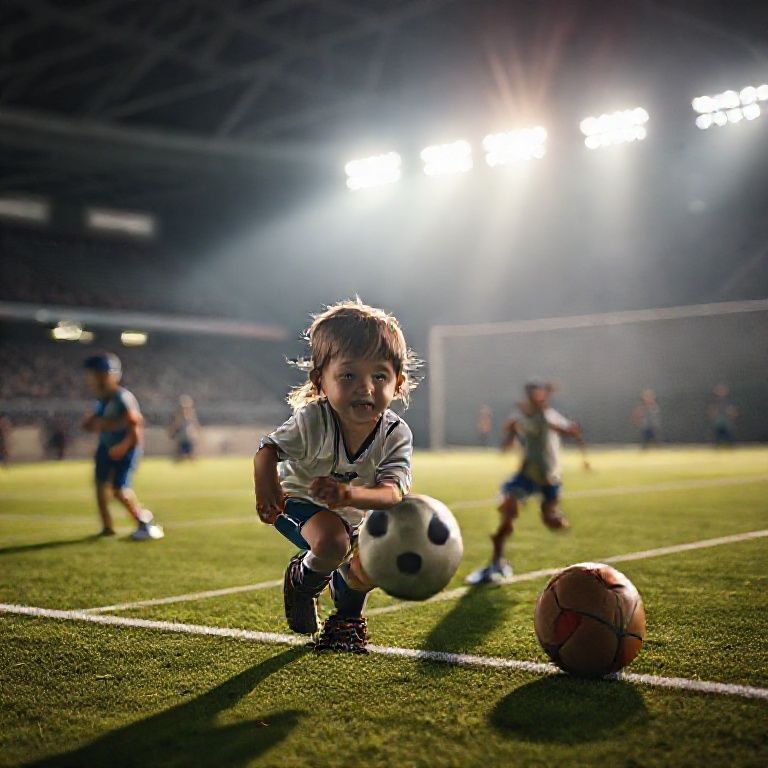
As a parent, there’s nothing quite like watching your child discover their passion and talent on the field, court, or ice. However, for many kids, the excitement of trying out a new sport can be met with hesitation and uncertainty. How to introduce kids to sports in a way that fosters fun, safety, and long-term enjoyment is a question that has puzzled many parents. The good news is that it’s never too early (or too late) to get your child involved in physical activity, and with the right approach, you can set them up for a lifetime of love and success in sports.
The benefits of introducing kids to sports are numerous and well-documented. Not only do regular physical activities help develop their physical health, but they also promote social skills, emotional intelligence, and a sense of accomplishment that can carry over into all areas of life. Moreover, participating in sports at a young age has been shown to have a positive impact on cognitive development, academic performance, and even mental health.
In this article, we’ll explore the best ways to introduce kids to sports, from choosing the right activities for their age and ability to creating a safe and supportive environment that encourages them to try new things. We’ll also offer practical tips and advice for parents who want to help their child develop a lifelong love of physical activity and the many benefits that come with it. Whether your child is just starting out or you’re looking to reignite an old passion, we’ve got everything you need to know to get started.
Introduction to Sports for Kids
Benefits of Participating in Sports
Participating in sports can have a significant impact on a child’s physical and emotional development. It helps build teamwork skills, promotes social interaction, and fosters a sense of self-discipline and responsibility (Sports Medicine Australia). Moreover, regular physical activity has been shown to improve concentration, boost mood, and reduce the risk of obesity in children.
Choosing the Right Sport for Your Child
Factors to Consider
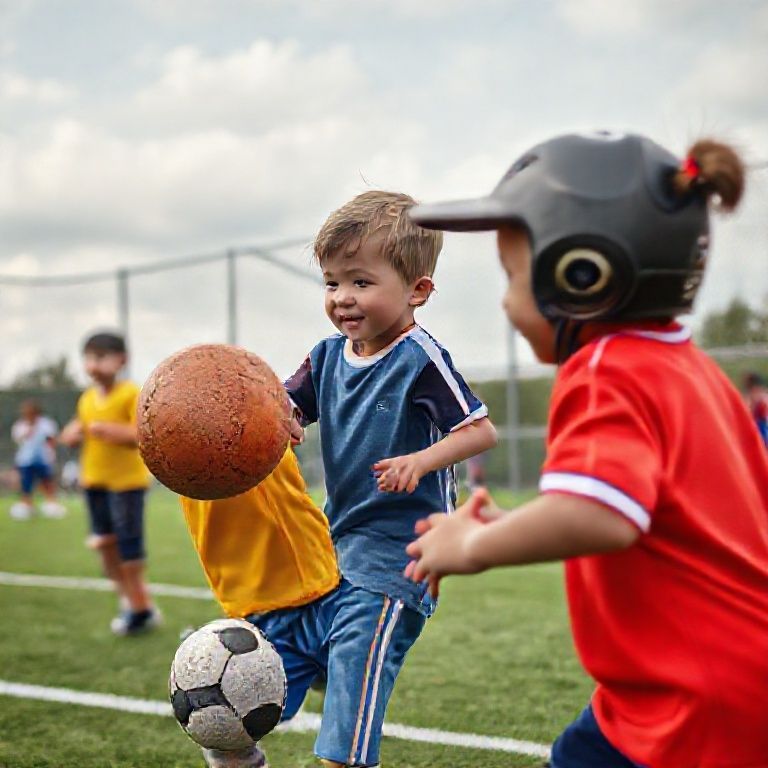
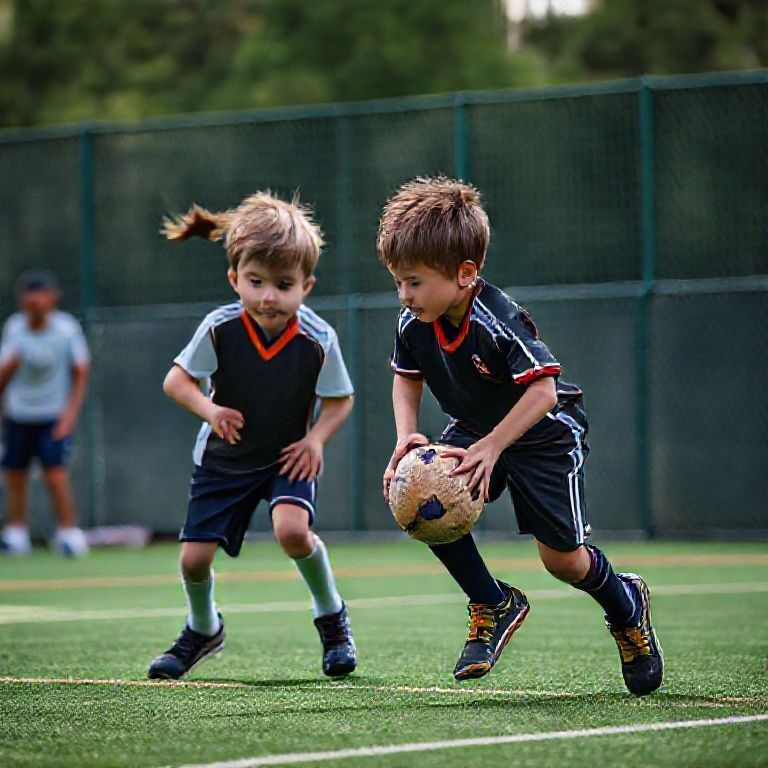
When choosing a sport for your child, there are several factors to consider. The first is age-appropriate activities that cater to their developmental stage. For example, young children (ages 3-5) benefit from play-based sports such as soccer, basketball, and tennis, while older children (ages 6-12) can participate in team sports like football, netball, or rugby.
Exploring Options
Visit local recreation centers, community clubs, or schools to explore different sports and activities. Observe children playing the sport, ask about coaching styles and safety protocols, and discuss costs associated with participation. You can also consider enrolling your child in a trial class or camp to get a feel for the activity.
Preparing Your Child for Sports
Building Confidence
Encourage your child to try new things and praise their efforts, even if they’re not naturally talented. Focus on developing their skills gradually, setting achievable goals and celebrating small victories along the way. This will help build confidence and a growth mindset, essential for success in sports.
Equipment and Safety Considerations
Essential Gear
Ensure your child has the necessary equipment for the sport they choose. For example, if playing soccer, they’ll need shin guards, cleats, and comfortable clothing. Consult with coaches or experts to determine specific gear requirements.
Safety Precautions
Teach your child basic safety rules, such as warming up before exercise, staying hydrated, and listening to coaches’ instructions. Also, discuss the importance of proper equipment usage and reporting any injuries or concerns to authorities.
Getting Started
Finding a Coach or Team
Research local sports clubs, recreation centers, or community organizations that offer coaching and team opportunities for your child’s chosen sport. Reach out to them directly to inquire about availability, costs, and coaching styles.
Creating a Positive Experience
Emphasize the importance of having fun and enjoying the experience of playing sports. Encourage your child to ask questions, learn from mistakes, and develop a love for physical activity that will last a lifetime.
Additional Tips
Setting Realistic Expectations
Understand that every child develops at their own pace and may not excel in a particular sport right away. Be patient and focus on progress rather than perfection.
Encouraging Sportsmanship
Teach your child the value of fair play, respect for opponents, and good sportsmanship. This will help them develop essential life skills like teamwork, communication, and emotional regulation.
Overcoming Common Obstacles
Dealing with Injuries or Setbacks
If your child experiences an injury or setback, encourage them to take a break and focus on recovery. Remind them that setbacks are a normal part of the learning process and that they can always try again when they’re ready.
By following these steps, you can help introduce your child to the world of sports in a safe, supportive, and enjoyable environment.
References:
1 Sports Medicine Australia. (2020). What is Sports Medicine?
Conclusion
In introducing kids to sports, it’s essential to focus on fun and development rather than competition or winning. By creating a supportive environment that encourages participation, teamwork, and learning, parents can help their children develop valuable life skills such as discipline, resilience, and social connections.
To get started, consider the following steps:
* Start with simple activities like playing catch, riding bikes, or swimming together
* Encourage your child to try out different sports and find what they enjoy most
* Emphasize the importance of trying new things and having fun, rather than focusing on winning or being perfect
* Support your child’s participation by attending games, cheering them on, and celebrating their successes
By taking a positive and supportive approach, you can help your child develop a lifelong love of sports and a strong foundation for physical activity and overall well-being.
Here are five concise FAQ pairs for “How to Introduce Kids to Sports”:
Q: What is the ideal age to start introducing kids to sports?
A: Most children can benefit from physical activity starting from a young age, around 3-4 years old, with simple games and activities like tag, ball toss, or bubble soccer.
Q: Do I need to be an expert athlete to introduce my child to sports?
A: No, the goal is to encourage a love for physical activity, not to create pressure on your child to become a professional athlete. Focus on fun and basic skills development.
Q: How can I ensure my child’s safety while playing sports?
A: Make sure they wear proper equipment, such as helmets or knee pads, depending on the sport. Also, choose sports with low contact risk, like swimming, soccer, or tennis, for younger children.
Q: Can every child enjoy sports, regardless of their abilities or disabilities?
A: Absolutely! Sports can be adapted to suit different needs and abilities. Consider inclusive programs or find a coach who is experienced in working with children with special needs.
Q: How much time should I commit to introducing my child to sports?
Here’s a short quiz for “How to Introduce Kids to Sports”:
Question 1: What is the best age to start introducing kids to sports?
A) When they’re already showing interest
B) Between 5-7 years old
C) Only after they’ve finished school
Show answer
Answer: B) Between 5-7 years old
Question 2: Which of the following is a great way to get kids excited about sports?
A) Making it a competition with other teams
B) Focusing on winning at all costs
C) Emphasizing teamwork, fun, and trying new things
Show answer
Answer: C) Emphasizing teamwork, fun, and trying new things
Question 3: What is an important aspect to consider when choosing a sport for kids?
A) How expensive it is
B) How physically demanding it is
C) How much time commitment there will be
Show answer
Answer: B) How physically demanding it is
Question 4: How can parents support kids in developing their sports skills?
A) By pushing them harder and faster
B) By providing positive feedback and encouragement
C) By only watching from the sidelines
Show answer
Answer: B) By providing positive feedback and encouragement




The way you explain things is so easy to follow. Keep up the good work!
Well written! You explained this so clearly. Thank you!
Your writing style makes complex topics easy to understand. Thanks for sharing!
Great article! Thanks for sharing this valuable information. This was really helpful.
This post answered all my questions. Thank you! 💯