
How To Communicate During Flooding: 8 Costly Errors that Waste Your Time

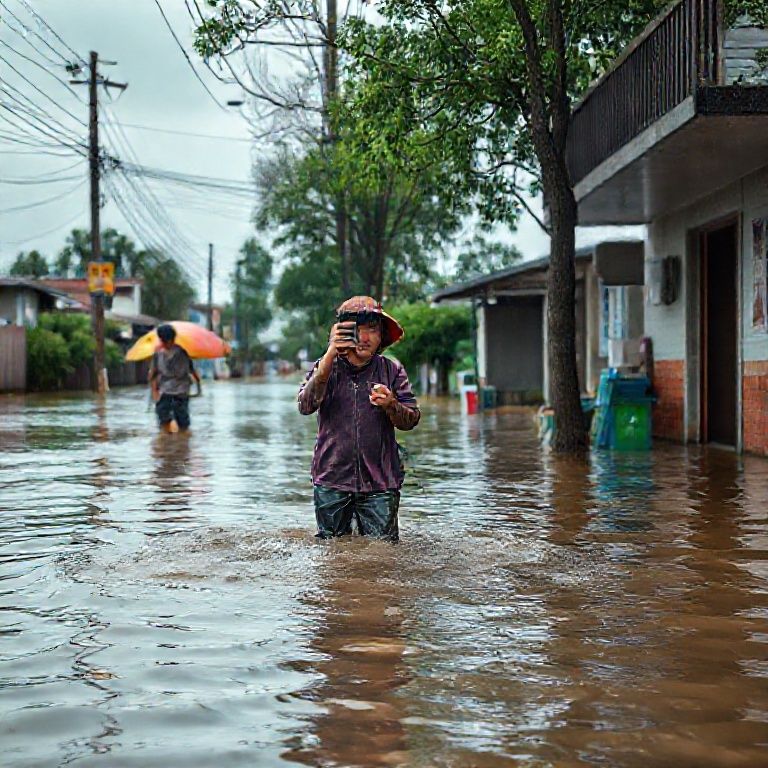
how to communicate during flooding

Introduction
As natural disasters like hurricanes, tsunamis, and floods wreak havoc on communities worldwide, effective communication becomes a matter of life and death. When floodwaters rise, traditional means of communication such as phone lines and internet connections can be severed or unreliable, leaving individuals and families stranded and disconnected from the outside world. In such situations, clear and concise communication is crucial to ensure safety, facilitate rescue efforts, and prevent further harm.
In the face of flooding, communication is not just about conveying information; it’s also about receiving help and support when needed most. The ability to effectively communicate during flooding can mean the difference between survival and disaster. However, in the chaos and uncertainty that often accompanies these events, simple yet effective strategies for communication can be easily overlooked.
In this article, we will explore some essential tips on how to communicate during flooding, from staying informed through reliable channels to using alternative methods of communication when traditional ones fail. By understanding the best practices for communication during flood emergencies, individuals and communities can stay connected, receive critical updates, and get the help they need in a timely manner.
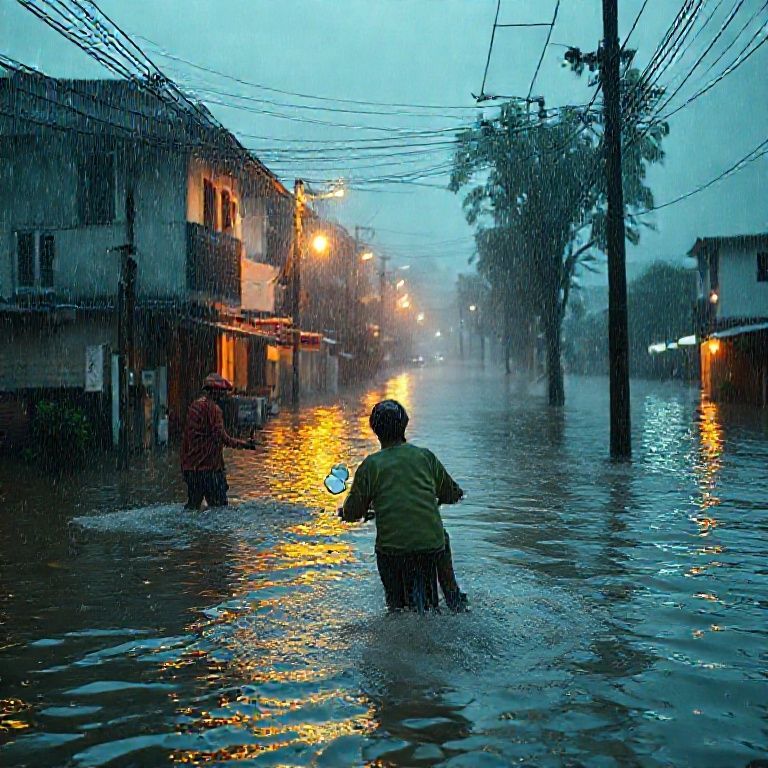
Staying Connected During Flooding
Understanding the Challenges of Communication
When a flood hits your area, communication can be severely disrupted due to damaged or destroyed infrastructure, loss of power, and displacement of people. Effective communication is crucial during flooding to ensure public safety, facilitate evacuation efforts, and provide critical information to those affected.
Preparing for Communication Disruptions
Identify Reliable Communication Channels
Before the flood, identify reliable communication channels that can be used in emergency situations. These may include:
Cell phone networks with backup power sources
Two-way radios or walkie-talkies
Satellite phones or devices
Local emergency management agencies’ communication systems
Step-by-Step Guidance for Communication During Flooding
Create a Communication Plan
1. Develop a plan that outlines how you will communicate during flooding, including the use of reliable channels and backup power sources.
2. Identify key personnel and their contact information to ensure effective coordination.
3. Establish a meeting point in case of separation.
Stay Informed and Connected
1. Monitor local news and emergency management agency websites for updates on the flood situation.
2. Use social media platforms to share information with family and friends who may be displaced or affected by the flood.
3. Utilize messaging apps or online platforms that offer end-to-end encryption, such as Signal or WhatsApp.
Prioritize Public Safety
Evacuation Orders and Instructions
1. Follow evacuation orders from local authorities immediately.
2. Use designated evacuation routes to ensure safe passage.
3. Stay informed about the floodwaters’ location and depth through official channels.
4. Be aware of potential hazards such as fast-moving water, fallen power lines, or contaminated water.
Providing Critical Information
1. Share essential information, such as:
Location of shelters or emergency services
Availability of food, water, and medical supplies
Safe zones for pets or livestock
2. Use clear and concise language to avoid confusion.
3. Provide regular updates on the situation to help others make informed decisions.
Ensuring Accessibility
1. Consider the needs of vulnerable populations such as the elderly, young children, or those with disabilities when communicating during flooding.
2. Use accessible communication channels that can be used by people with disabilities, such as text-to-speech software or Braille displays.
3. Provide information in multiple formats to accommodate different learning styles and abilities.
Maintaining Mental Health
1. Encourage open communication about mental health concerns and provide resources for support.
2. Use positive and reassuring messaging to help maintain hope and morale.
3. Prioritize self-care and seek support from loved ones or mental health professionals if needed.
By following these steps, individuals can stay connected during flooding while prioritizing public safety and providing critical information to those affected.
Conclusion
In the face of severe weather events like flooding, effective communication is crucial for ensuring public safety and facilitating response efforts. By understanding how to communicate during flooding, individuals can play a vital role in helping their communities stay informed and prepared.
If you’re interested in learning more about how to communicate during flooding, we encourage you to visit our website or follow us on social media for expert tips, resources, and best practices. Stay tuned for updates on the latest research and guidelines on flood communication, and join the conversation using the hashtag #FloodCommunication. Together, let’s build a safer and more resilient community for everyone.
Here are five concise FAQ pairs for “How to Communicate During Flooding”:
Q: How do I stay informed about flood warnings and updates?
A: Check your local news, weather app, or emergency management website for the latest information on flood warnings and evacuation orders.
Q: What should I tell my family members if we need to evacuate during a flood?
A: Let them know which route you’ll be taking, when you expect to arrive at your destination, and who will be in charge of contacting you if there are any changes or updates.
Q: Can I use social media to communicate with loved ones during flooding?
A: While social media can be useful for sharing information, it may not be the best option for communicating critical updates. Consider using phone calls, texts, or messaging apps instead.
Q: How do I keep my phone charged and accessible during a flood evacuation?
A: Charge your phone as soon as possible and bring a portable charger with you in case of an emergency. Make sure someone knows where to find you if you’re unable to communicate.
Q: What should I tell emergency responders if we need assistance during flooding?
Here’s a short quiz on “How to Communicate During Flooding”:
Question 1: What is the best way to communicate with family members who are away from home during a flood?
A) Send them text messages, but don’t expect an immediate response.
B) Call or video call them regularly to check in and provide updates.
C) Wait until it’s safe to travel before reaching out.
Show answer
Answer: B
Question 2: When communicating with emergency responders or authorities, what information should you provide?
A) Only your address and contact information.
B) Your location, the type of flood, and any injuries sustained.
C) A detailed description of your property damage.
Show answer
Answer: B
Question 3: How often should you check in with neighbors who may be isolated during a flood?
A) Every hour, to ensure they’re safe and receiving assistance.
B) When it’s safe to travel, to offer support and gather information.
C) Only when the water has receded and it’s clear they’re okay.
Show answer
Answer: B
Question 4: What is an important thing to consider when communicating with loved ones during a flood?
A) Avoid discussing your emotions or fears about the situation.
B) Keep them updated on your location, but don’t worry if you can’t respond immediately.
C) Prioritize sharing information that might be helpful for their decision-making.
Show answer
Answer: B








This helped me solve my problem. Thank you so much! Looking forward to more content like this.
Thanks for this post. Thank you for this detailed explanation. Much appreciated!
Really enjoyed reading this. Keep up the great work! 👍
Interesting perspective. Thank you for this detailed explanation. Much appreciated!