
How To Choose Supportive Footwear: 7 Power Moves to Level Up Fast

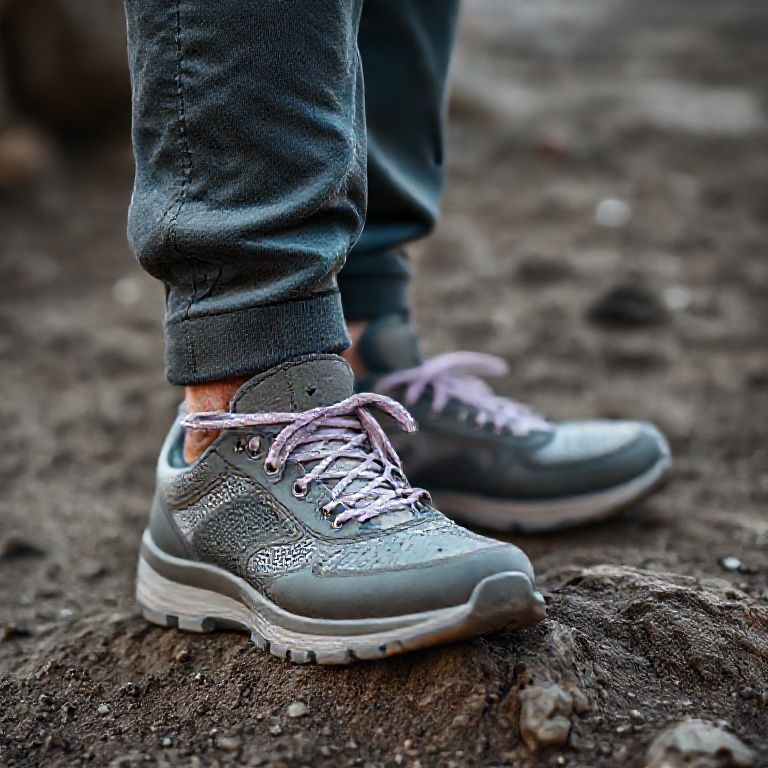
how to choose supportive footwear

Introduction
Choosing the right footwear can be a daunting task, especially when it comes to finding shoes that provide adequate support for our feet. With so many styles and brands available, it’s easy to get overwhelmed by the numerous options. However, investing in supportive footwear is crucial for maintaining good foot health, preventing injuries, and alleviating discomfort.
When it comes to selecting supportive footwear, it’s not just about looking good or following trends â it’s about prioritizing your foot health. A pair of shoes that provides adequate arch support, cushioning, and stability can make a significant difference in how you feel throughout the day. From hiking boots to dress shoes, there are many types of supportive footwear available, but with so much choice comes the challenge of knowing where to start.
In this article, we’ll explore the key factors to consider when choosing supportive footwear, helping you navigate the world of footwear and find a pair that meets your unique needs. By understanding what to look for in terms of fit, materials, and support features, you can make an informed decision and invest in a pair of shoes that will keep your feet happy and healthy for years to come.

Step 1: Understanding the Importance of Supportive Footwear
Supportive footwear is essential for maintaining good foot health and preventing various foot-related problems. When choosing supportive footwear, it’s crucial to consider your lifestyle, activity level, and personal comfort needs.
Factors to Consider
When selecting supportive footwear, there are several factors to consider:
The type of activities you will be doing (e.g., walking, running, hiking)
Your foot shape and size
The level of arch support needed
The material and breathability requirements
Your overall health, including any existing foot conditions or injuries
The climate and terrain where you’ll be wearing the shoes
Step 2: Choosing the Right Footwear Type
There are several types of supportive footwear available, including:
Types of Supportive Footwear
1. Orthotic Shoes: Designed for individuals with flat feet or other foot abnormalities, orthotic shoes provide additional arch support and stability.
2. Motion Control Shoes: Suitable for people with severe overpronation or supination, motion control shoes offer extra support and stability features.
3. Running Shoes: Designed for runners, these shoes typically feature a more responsive midsole and a snugger fit to reduce foot movement during exercise.
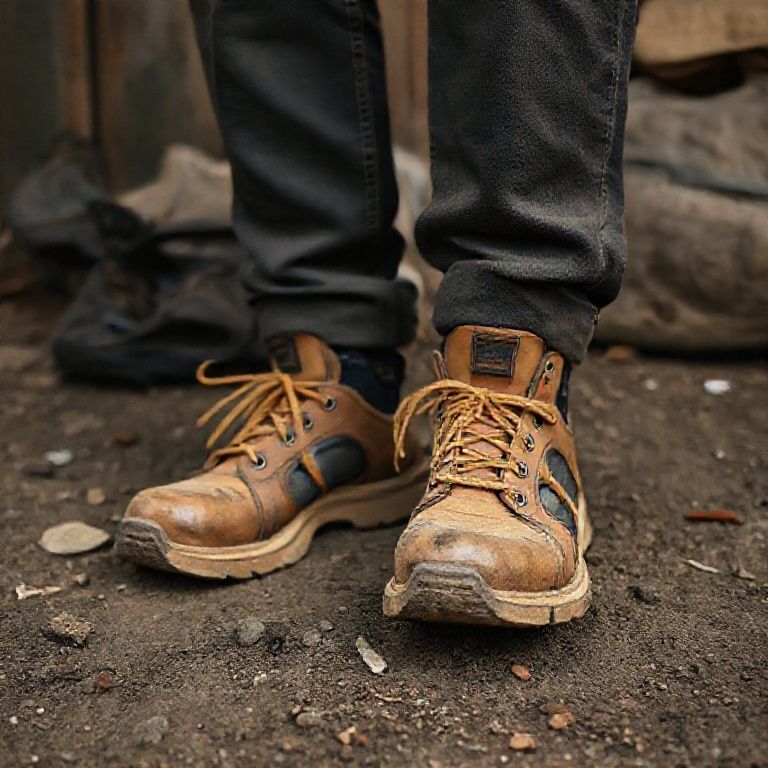
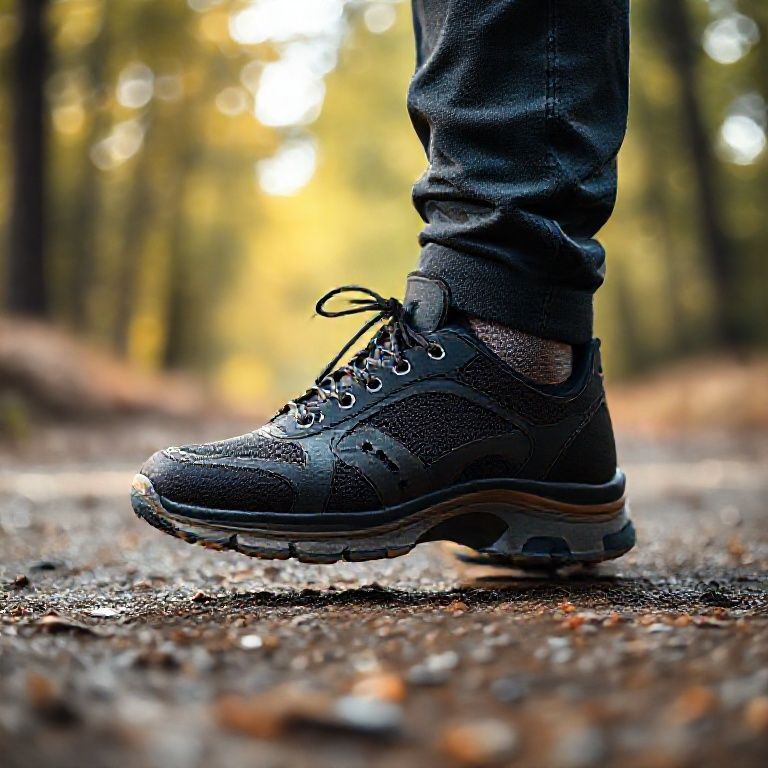
4. Hiking Boots/Shoes: Ideal for hiking and outdoor activities, these shoes often have a more substantial sole and ankle support to protect against rough terrain.
Step 3: Evaluating Footwear Features
When evaluating supportive footwear, consider the following features:
Key Features to Consider
1. Arch Support: Look for a shoe that provides adequate arch support, whether it’s through a stiffer heel counter or a more cushioned insole.
2. Cushioning and Shock Absorption: Adequate cushioning and shock absorption are essential for reducing the impact on your feet and ankles.
3. Stability Features: Stability features such as a wide base or a rocker sole can help prevent excessive motion and promote better foot alignment.
4. Adjustable Lacing System: An adjustable lacing system allows you to customize the fit and ensure that your shoes stay secure during activity.
Step 4: Trying on Footwear
Trying on footwear is crucial to ensure a comfortable and supportive fit:
Tips for Trying on Footwear
1. Wear the same type of socks you plan to wear with your shoes.
2. Try on shoes in the afternoon, as feet tend to swell throughout the day.
3. Walk around the store to ensure the shoes feel comfortable and supportive.
4. Pay attention to how the shoes fit at the end of the foot, as well as the heel and toe box.
Step 5: Breaking in Your New Shoes
Breaking in new shoes can be uncomfortable, but there are ways to minimize this:
Tips for Breaking in New Shoes
1. Wear your new shoes around the house for a few hours before wearing them out.
2. Use shoe stretchers or trees to help mold the shoes to your feet.
3. Apply a small amount of petroleum jelly or shoe cream to the seams and stitching to reduce friction.
4. Consider using shoe inserts or orthotics to provide additional support and cushioning.
References:
Anchor (American Podiatric Medical Association) – For more information on foot health and supportive footwear, visit the American Podiatric Medical Association website.
Anchor (National Institute of Arthritis and Musculoskeletal and Skin Diseases) – To learn more about foot-related problems and how to prevent them, visit the National Institute of Arthritis and Musculoskeletal and Skin Diseases website.
Conclusion
In choosing supportive footwear, it’s essential to prioritize your foot health and comfort. By considering factors such as arch support, cushioning, and stability, you can find shoes that alleviate pain and discomfort. Don’t settle for ill-fitting or un supportive shoes – take the time to try on several options, read reviews from other wearers, and consider visiting a specialty shoe store where expert advice is available. By investing in your foot health, you’ll be able to enjoy greater mobility, confidence, and overall well-being.
Here are five concise FAQ pairs on how to choose supportive footwear:
Q: What is the most important factor in choosing supportive footwear?
A: The arch support, which should be high enough to provide adequate cushioning and stability for your feet.
Q: How do I know if my shoes have good arch support?
A: Look for shoes with a sturdy heel counter and a visible arch support system, such as a carbon fiber or EVA midsole.
Q: What is the difference between wide and narrow widths in footwear?
A: Wide widths provide more room for toes to spread out, while narrow widths are better suited for those with narrower feet.
Q: How often should I replace my supportive shoes?
A: It’s recommended to replace supportive shoes every 6-12 months or sooner if you notice a decrease in support and cushioning.
Q: Can I wear supportive shoes without orthotics or arch supports?
Here’s a short quiz on how to choose supportive footwear:
Question 1: What is the primary function of arch support in footwear?
A) To add height or style to the shoe
B) To provide cushioning and shock absorption
C) To redistribute pressure across the foot
Show answer
Answer: C
Question 2: Which of the following features is most important for people with flat feet or low arches?
A) High heel or thick sole
B) Wide toe box and soft insole
C) Deep heel cup and sturdy outsole
Show answer
Answer: B
Question 3: What type of shoe material is best suited for high-impact activities, such as running or hiking?
A) Soft leather or suede
B) Breathable mesh or synthetic materials
C) Heavy canvas or thick rubber
Show answer
Answer: B
Question 4: How often should you replace your shoes to ensure optimal support and comfort?
A) Every time you wear them for a full day
B) Every 6-12 months, depending on usage and condition
C) Only when they start to show visible signs of wear
Show answer
Answer: B






Your insights are always spot-on.
I learned something new today. Thanks! 😊
I learned something new today. Thanks! Looking forward to more content like this.
Thank you for the comprehensive breakdown!