
How To Build Coordination For Kids: 5 Genius Tips that Actually Work

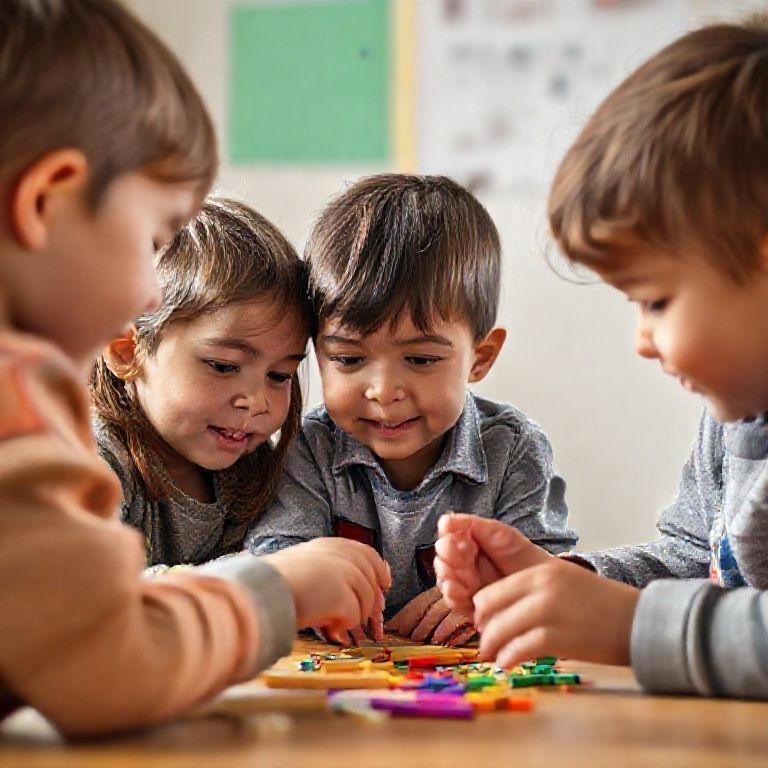
how to build coordination for kids
Introduction
As parents, we’ve all witnessed our little ones struggling to balance on two feet, trip over their own feet, or fumble with simple tasks like tying shoelaces. It’s a rite of passage, really – every child goes through a phase where coordination seems to be a distant memory. But the good news is that with some patience, practice, and positive reinforcement, kids can develop the skills they need to become agile, confident, and coordinated individuals.
Building coordination in children is not just about helping them avoid embarrassing moments or injuries; it’s also about laying the foundation for their overall physical and emotional well-being. Good coordination can boost self-esteem, improve social interactions, and even enhance academic performance. By teaching kids how to build coordination from a young age, we’re giving them a lifelong advantage that will serve them far beyond their childhood years.
In this article, we’ll explore some practical tips and strategies for helping your child develop the skills they need to become more coordinated, active, and confident. From simple exercises to fun activities, we’ll cover it all – because with the right approach, every child can learn to move with ease, balance on two feet, and reach their full potential.
Building Coordination in Kids: A Step-by-Step Guide
Understanding the Importance of Coordination
Coordination is a vital skill for kids to develop, as it enables them to perform everyday activities with ease and confidence. Good coordination helps children balance, move, and interact with their environment safely and effectively. Without proper coordination, kids may struggle with fine motor skills, sports, and other physical activities.
Identifying the Signs of Poor Coordination
If your child is displaying any of the following signs, it’s essential to seek professional help:
Difficulty walking or running
Trouble balancing while standing or sitting
Inability to tie shoelaces or button buttons
Struggling with hand-eye coordination during sports or games
Creating a Coordination-Friendly Environment
To support your child’s development, you can create a coordination-friendly environment by:
1. Encouraging Physical Activity
Encourage your child to engage in various physical activities, such as dancing, jumping jacks, or playing with balloons. These activities help improve balance, flexibility, and overall coordination.
Step-by-Step Guide to Indoor Obstacle Course
Create an obstacle course using household items, such as couch cushions, chairs, and blankets. Follow these steps:
1. Start by placing two couch cushions parallel to each other on the floor.
2. Place a chair or small table in front of the cushions.
3. Weave through the cushions and over the chair without touching it.
4. Repeat the process several times, gradually increasing the difficulty level.
Step-by-Step Guide to Outdoor Obstacle Course
Create an outdoor obstacle course using natural objects, such as cones, hula hoops, or small hurdles. Follow these steps:
1. Set up a series of cones or markers on the ground.
2. Place a hula hoop or small hurdle at each cone.
3. Weave through the cones and over the hurdles without touching them.
4. Repeat the process several times, gradually increasing the difficulty level.
Providing Opportunities for Coordination Development
Provide your child with opportunities to practice coordination skills in various settings:
2. Sports and Games
Enroll your child in sports or games that promote coordination development, such as soccer, tennis, or bowling. These activities help improve fine motor skills, balance, and overall coordination.
Step-by-Step Guide to Playing Catch
Practice playing catch with your child using a ball or beanbag. Follow these steps:
1. Stand facing each other, about 10 feet apart.
2. Toss the ball or beanbag gently towards your child.
3. Catch the ball or beanbag without dropping it.
4. Repeat the process several times, gradually increasing the distance and speed.
Step-by-Step Guide to Balancing Acts
Practice balancing acts with your child using a balance beam or a straight line on the floor. Follow these steps:
1. Set up a balance beam or a straight line on the floor.
2. Stand beside your child and hold their hands for support.
3. Help your child balance on one foot while you provide verbal encouragement.
4. Gradually increase the time spent balancing without support.
Conclusion
Building coordination in kids requires patience, consistency, and creativity. By providing opportunities for physical activity, sports, and games, you can help your child develop essential coordination skills that will benefit them throughout their lives. Remember to identify signs of poor coordination early on and seek professional help if needed.
References:
[American Academy of Pediatrics](https: //pediatrics.aappublications.org/). (2020). Developmental Milestones: A Guide for Parents.
[National Institute of Child Health and Human Development](https: //www.nichd.nih.gov/health/topics/developmental-milestones/Pages/default.aspx). (2022). Healthy Children.
Conclusion
In building coordination in children, it’s essential to provide opportunities for movement and exploration while ensuring their safety. By incorporating activities such as ball games, obstacle courses, and fine motor exercises into their daily routine, parents can help develop their child’s coordination skills.
To support your child’s development, try the following:
* Encourage them to participate in sports or physical activities that they enjoy
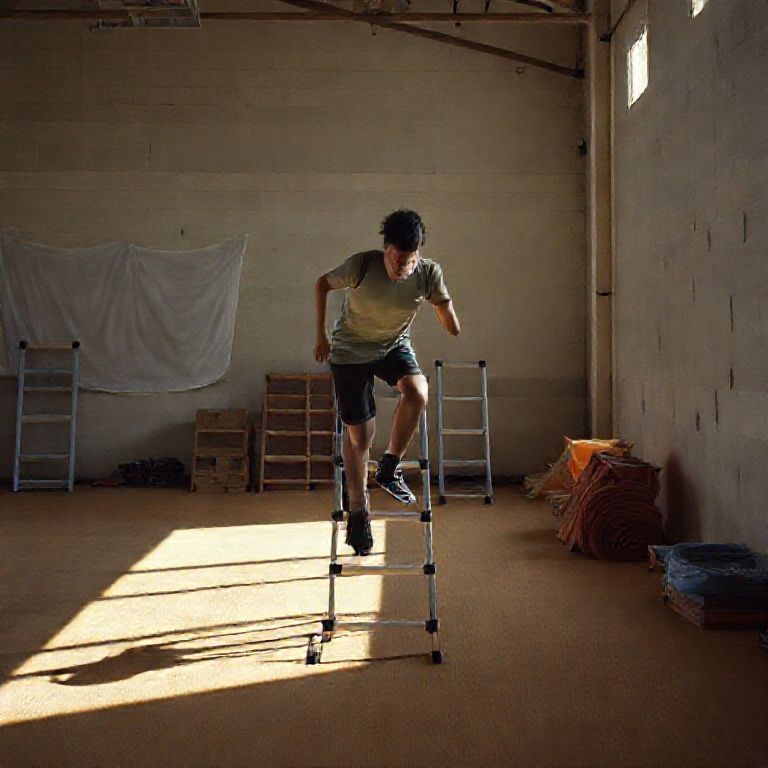
* Set up a mini obstacle course using household items for them to navigate
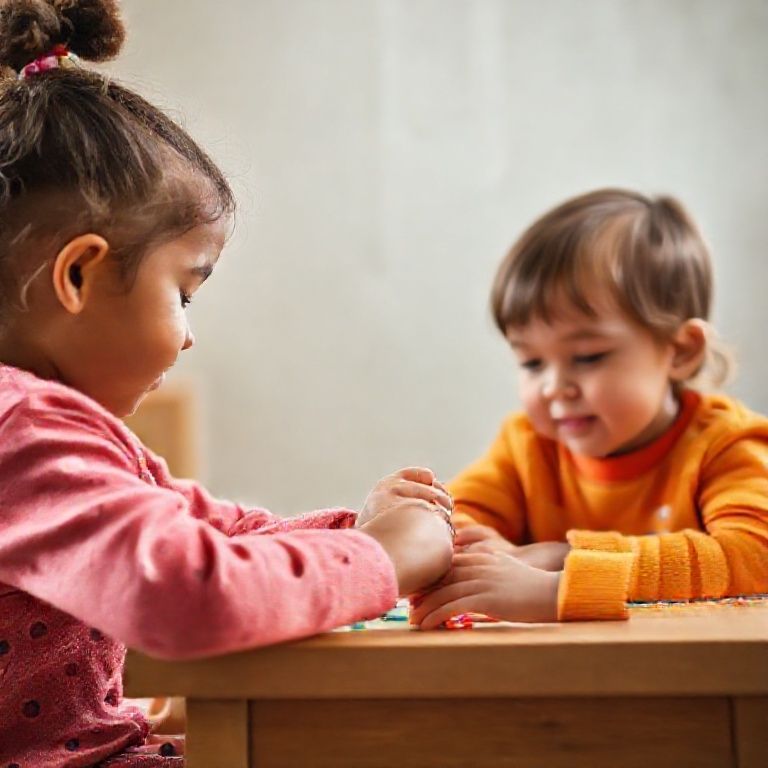
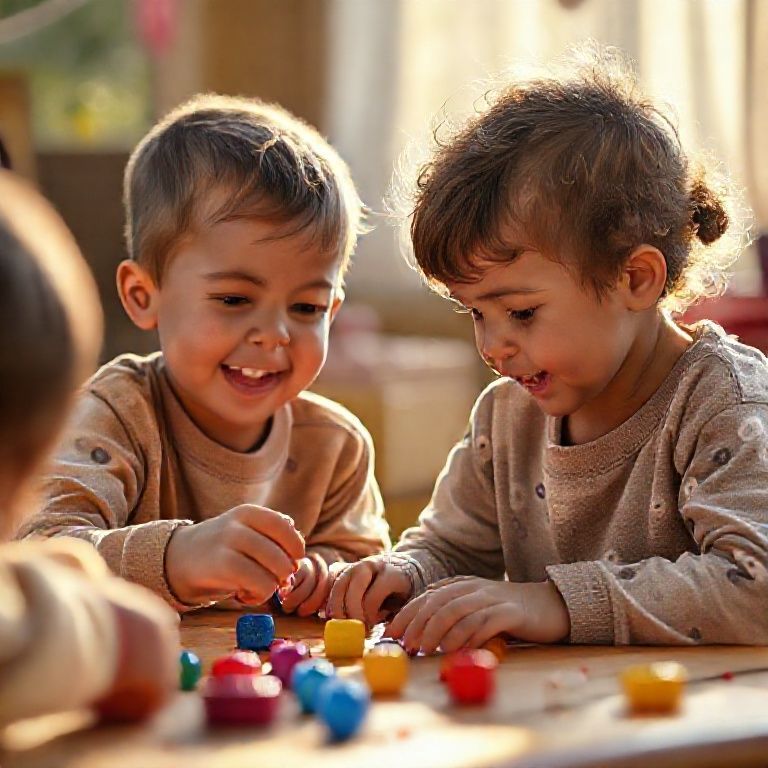
* Engage them in activities that require fine motor skills such as drawing, puzzles, and playdough
* Practice coordination exercises with your child, such as catching, kicking, and throwing
By taking these steps, you can help your child build the coordination they need to succeed in sports, academics, and everyday life.
Here are five concise FAQ pairs on how to build coordination for kids:
Q: What is coordination, and why is it important for kids?
A: Coordination refers to the ability of children to move their body parts in a smooth and efficient manner. It’s essential for kids to develop good coordination skills as it helps them perform daily activities like walking, running, jumping, and playing sports.
Q: How can parents encourage coordination development in their child?
A: Parents can encourage coordination development by providing opportunities for their child to engage in physical activities like dancing, hopping, skipping, and ball games. They should also offer support and guidance as needed.
Q: What are some exercises that help improve coordination in kids?
A: Simple exercises like balance beam walking, crawling through tunnels, and playing catch can help improve coordination in kids. Parents or caregivers can also create obstacle courses using household items to challenge their child’s coordination.
Q: How long does it take for a child to develop good coordination skills?
A: The development of coordination skills in children varies depending on age and individual ability. Typically, children start developing basic coordination skills around 2-3 years old and refine them by around 5-6 years old.
Q: What can parents do if their child struggles with coordination?
Here’s a short quiz on “How to Build Coordination for Kids”:
Question 1: What is a great way for kids to improve their balance?
A) Playing video games
B) Riding a bike without training wheels
C) Watching TV all day
Show answer
Answer: B) Riding a bike without training wheels
Question 2: How can kids practice their hand-eye coordination?
A) Playing with playdough
B) Catching balls with their feet
C) Drawing pictures
Show answer
Answer: A) Playing with playdough
Question 3: What is a fun way for kids to improve their gross motor skills?
A) Playing indoor games like hide and seek
B) Dancing to their favorite music
C) Playing tag with friends
Show answer
Answer: C) Playing tag with friends
Question 4: How can kids build their fine motor skills?
A) Building with blocks
B) Coloring pictures
C) Doing puzzles
Show answer
Answer: B) Coloring pictures




I’ve been looking for information like this everywhere. This was really helpful.
Interesting perspective. This is so useful! Bookmarking for future reference.
Much appreciated! This was very enlightening!