
How Songwriting Evolved: 8 Costly Errors that Waste Your Time


how songwriting evolved

Introduction
The art of songwriting has been a cornerstone of music-making for centuries, with its roots tracing back to ancient civilizations where melodies and lyrics were used to tell stories, express emotions, and pass down cultural heritage. Over time, however, the craft of songwriting has undergone significant transformations, shaped by technological advancements, social changes, and the creative visions of innovative artists. As we reflect on how songwriting evolved, it becomes clear that this evolution was not just a gradual process, but rather a series of pivotal moments that fundamentally reshaped the way we create, consume, and interact with music.
From the early days of folk balladry to the modern era of pop and rock, songwriting has continued to adapt to the changing needs and desires of its audience. The rise of commercial music publishing in the late 19th century, for instance, led to the development of new forms like show tunes and musical theater, while the advent of recording technology in the early 20th century enabled the mass production of music that could reach a wider audience. In the latter half of the 20th century, songwriting underwent another significant shift with the emergence of singer-songwriters like Bob Dylan and Joni Mitchell, who emphasized personal storytelling and lyrical depth over traditional forms.
As we delve into the evolution of songwriting, it becomes clear that this is not just a story about artistic innovation, but also about the social and cultural contexts in which music was created. The Civil Rights Movement, feminism, and other significant events of the 1960s and 1970s all influenced the way songs were written and perceived by audiences, leading to the development of new styles like protest music and feminist rock. Today, songwriting continues to evolve, with artists pushing the boundaries of genre-bending collaborations, experimental production techniques, and innovative lyrical themes. In this article, we’ll explore the fascinating story of how songwriting evolved over time, from its ancient roots to its modern manifestations.
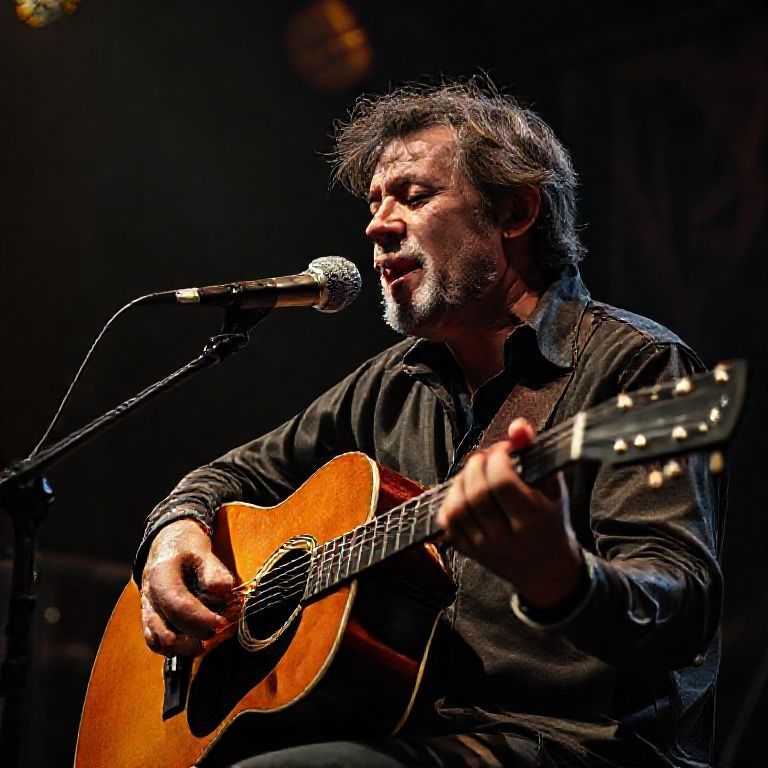
The Evolution of Songwriting: a Step-by-Step Guide
The Early Days of Songwriting
In the early days of songwriting, artists relied heavily on traditional forms and structures. Many songs followed a simple verse-chorus-verse-chorus-bridge-chorus format, with lyrics often focusing on storytelling and poetic imagery. However, as music evolved, so did the art of songwriting.
The Advent of New Forms and Genres
The 1960s saw the rise of folk rock, psychedelia, and other experimental genres that challenged traditional songwriting conventions. Artists like Bob Dylan and Joni Mitchell began pushing the boundaries of lyrical content and musical structure. For example, Dylan’s “Like a Rolling Stone” (1965) is considered one of the greatest songs of all time, with its innovative use of non-linear storytelling and poetic language.
The 1970s also saw the emergence of glam rock, which added a new level of theatricality to songwriting. Artists like David Bowie and T. Rex used elaborate costumes, makeup, and lyrics to create a sense of spectacle and drama in their songs. For instance, Bowie’s “Space Oddity” (1969) features a haunting and atmospheric soundscapes that set the tone for his iconic space-themed song.
The Rise of Singer-Songwriters
The 1970s and 1980s saw the emergence of singer-songwriters who emphasized personal, confessional lyrics. Artists like Carole King, James Taylor, and Elton John became known for their introspective songwriting styles, which often focused on themes of love, relationships, and self-discovery.
One notable example of this era is Fleetwood Mac’s “Landslide” (1975), a poignant ballad that showcases Stevie Nicks’ emotional delivery and poetic lyrics. The song’s success can be attributed to its ability to tap into the audience’s emotions, creating a sense of connection and shared experience.
The Digital Age and Modern Songwriting
The advent of digital recording technology and software has revolutionized the songwriting process. Today, artists can create, record, and produce music with unprecedented ease and flexibility.
The Importance of Collaboration
In the modern era, collaboration is more crucial than ever. With the rise of co-writing and producer-driven records, artists must be willing to work with others to craft successful songs. This requires a deep understanding of musical and lyrical concepts, as well as effective communication skills.
For instance, Taylor Swift’s “Bad Blood” (2014) features a collaboration between Swift and producer Max Martin, resulting in a catchy and memorable pop anthem. The song’s success demonstrates the importance of working with others to create a hit single.
The Rise of Indie Music
The democratization of music production has led to the emergence of indie labels and DIY recording studios. Artists can now self-release music and connect directly with fans, bypassing traditional industry gatekeepers. While this shift has opened up new opportunities for musicians, it also presents unique challenges in terms of marketing, distribution, and sonic consistency.
The success of artists like Arctic Monkeys and Vampire Weekend can be attributed to their ability to craft catchy indie rock songs that resonate with a wide audience. Their music often features clever wordplay, witty lyrics, and infectious hooks, which have helped them build a loyal fan base and achieve mainstream success.
The Evolution of Songwriting in the Digital Age
The digital age has also given rise to new forms of songwriting, such as electronic and hip-hop music. Artists like Kendrick Lamar and Beyoncé have pushed the boundaries of lyrical content and musical structure, incorporating elements of spoken word, storytelling, and sonic experimentation into their songs.
One notable example is Kendrick Lamar’s “Alright” (2015), a socially conscious anthem that features a haunting beat and poignant lyrics. The song’s success demonstrates the power of hip-hop as a genre, which has become a platform for artists to express themselves and tell powerful stories through music.
Conclusion
The evolution of songwriting is a constantly unfolding process that reflects the changing needs and desires of artists and audiences alike. By understanding the key milestones and innovations of the past century, songwriters can better navigate the complexities of modern music production and create songs that resonate with listeners around the world.
How Songwriting Evolved
Early Forms of Music Composition
Songwriting has a rich history that spans thousands of years, with various forms of music composition emerging over time. In ancient civilizations such as Greece and Rome, musicians composed songs using instruments like the lyre and harp.
Ancient Greek Music Theory
In ancient Greece, music theory was based on the concept of the “mode,” which referred to a specific scale or melody used in music. The Greeks also developed the concept of rhythm, with a focus on meter and tempo.
Medieval Minstrelsy
During the Middle Ages, minstrels traveled from town to town, performing songs and stories for audiences. This period saw the emergence of troubadour songs, which were often written by knights and nobles.
Characteristics of Troubadour Songs
Troubadour songs typically featured:
Simple melodies
Lyrics that told stories or expressed emotions
Use of rhyme and meter
Often focused on courtly love themes
Renaissance and Baroque Music
The Renaissance and Baroque periods saw significant advancements in music composition, with the emergence of new instruments and musical styles.
Development of Polyphony
During this period, polyphonic music emerged, featuring multiple independent melodies sung simultaneously. Composers like Palestrina and Lasso developed complex choral music that showcased their mastery of harmony.
Classical Music and Songwriting
The Classical period saw the rise of sonnets and other poetic forms in songwriting. Composers like Mozart and Beethoven wrote operas and symphonies that incorporated lyrics into their works.
Characteristics of Classical Songwriting
Classical songwriting often featured:
Formal structures like sonnets and ballads
Use of rhyme and meter
Emphasis on melody and harmony
Often focused on themes of love, nature, and social commentary
Popular Music and the Emergence of Modern Songwriting
The early 20th century saw the emergence of popular music, with genres like jazz, blues, and rock ‘n’ roll changing the face of songwriting.
Development of New Forms
Popular music led to the development of new forms, such as:
Songbook standards
Musical theater lyrics
Rock ‘n’ roll lyrics that focused on storytelling and themes of rebellion
Contemporary Songwriting
Today, songwriting is a diverse and ever-evolving art form, with artists using technology and social media to create and share their music.
Characteristics of Modern Songwriting
Modern songwriting often features:
Use of electronic instruments and production techniques
Experimentation with new forms and styles
Emphasis on themes of identity, relationships, and social commentary

Conclusion
As we reflect on the evolution of songwriting, it’s clear that this timeless art form has adapted and transformed over time to reflect the changing needs and desires of its creators and listeners. From ancient folk melodies to modern electronic beats, songwriting has consistently pushed boundaries and innovated new sounds.
Today, as we look to the future, it’s more important than ever for songwriters to continue embracing experimentation and collaboration. Whether through traditional instruments or digital tools, the key to creating meaningful and lasting music lies in tapping into our shared human experiences and emotions.
So, if you’re a songwriter looking to join this legacy, or simply someone who loves music and wants to be inspired by it – take up your pen (or keyboard), pick up an instrument, and start writing. The next iconic song could be yours, and the world is waiting to hear it.
Here are five concise FAQ pairs on how songwriting evolved:
Q: What was the earliest form of songwriting?
A: The earliest forms of songwriting date back to ancient civilizations, such as Sumeria (around 4000 BC) and Egypt (around 1500 BC), where songs were often used for storytelling, rituals, and ceremonies.
Q: How did folk music influence modern songwriting?
A: Folk music played a significant role in shaping modern songwriting. Many famous songwriters, like Bob Dylan and Joni Mitchell, drew inspiration from traditional folk songs, experimenting with new lyrics and melodies to create their own unique styles.
Q: What was the impact of radio on songwriting?
A: The rise of radio in the mid-20th century revolutionized songwriting by providing a platform for artists to reach a wider audience. Radio stations played a crucial role in promoting new songs, making it easier for writers to get their work heard and leading to the creation of many iconic hits.
Q: How did the advent of recording technology change songwriting?
A: The invention of recording technology allowed songwriters to experiment with different sounds, instrumentation, and production techniques. This led to the development of new styles, such as rock ‘n’ roll and pop music, which further transformed the art of songwriting.
Q: What role has social commentary played in modern songwriting?
Here’s a short quiz on “How Songwriting Evolved”:
Question 1: What was one of the key factors that contributed to the development of popular music in the 1950s?
A) The rise of rock and roll, which emphasized strong rhythms and electric guitars
B) The influence of classical music and opera on singer-songwriters
C) The proliferation of radio stations playing a wide range of genres
Show answer
Answer: A
Question 2: Which of the following songwriting techniques became popular in the 1970s, characterized by its use of introspective lyrics and acoustic instrumentation?
A) The concept album, where an entire album was written around a central theme
B) The concept of “art rock,” which emphasized experimentation and avant-garde sounds
C) Singer-songwriter style, emphasizing personal and emotional storytelling
Show answer
Answer: C
Question 3: What was the name of the influential music festival held in 1969 that showcased many emerging artists and helped shape the counterculture movement?
A) Woodstock Music Festival
B) Monterey Pop Festival
C) Coachella Valley Music and Arts Festival
Show answer
Answer: A
Question 4: Which songwriter is credited with popularizing the “power ballad” genre in the 1980s, characterized by its use of anthemic choruses and emotional lyrics?
A) Bruce Springsteen
B) Bob Dylan
C) Bryan Adams
Show answer
Answer: C





Never considered this angle before. Mind-blowing! Great post!
Your insights are always spot-on. Great post!
Well written! Perfect timing! I was just researching this topic.
Never considered this angle before. Mind-blowing! This was really helpful.
This rocks! 🎸 Keep up the good work!