
Hockey Stick Handling Drills Basic: 5 Genius Tips that Actually Work

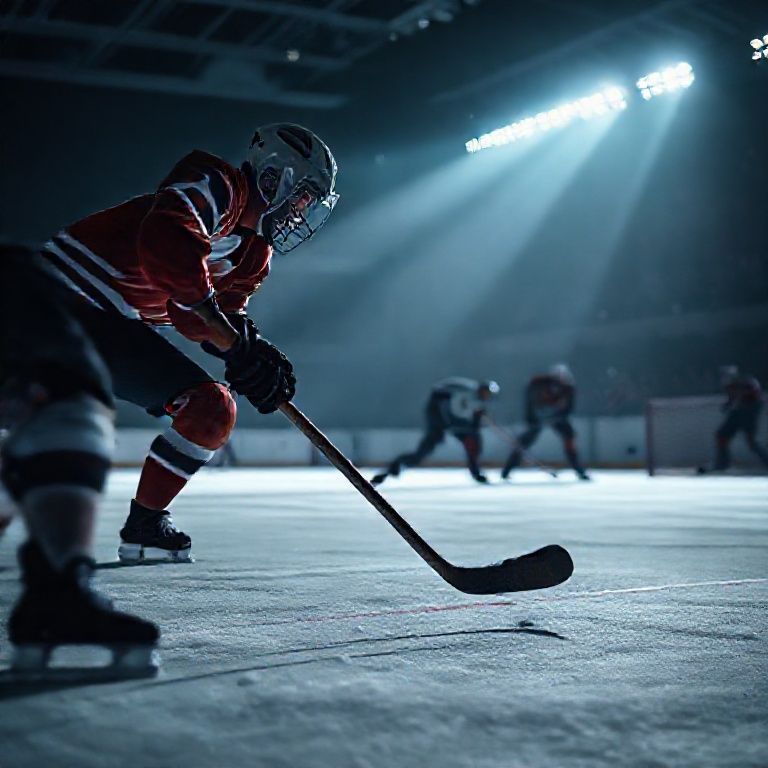
hockey stick handling drills basic

Introduction
As hockey players look to improve their skills and take their game to the next level, mastering the art of stick handling is essential. Hockey stick handling drills are a crucial component of any player’s practice routine, allowing them to develop the agility, speed, and control needed to dominate on the ice. By incorporating basic stick handling drills into your training regimen, you can significantly enhance your overall hockey experience.
Effective stick handling is not just about moving the puck quickly around the rink; it’s also about maintaining possession in tight spaces, using different parts of the stick to control the puck, and making quick decisions on the fly. By practicing basic stick handling drills, such as crossovers, inside-outside moves, and figure-eights, you can build a strong foundation for more advanced skills like passing, shooting, and deking.
In this article, we’ll focus on the fundamental hockey stick handling drills that every player should know, regardless of their skill level or position. We’ll break down each drill into easy-to-follow steps, providing tips and techniques to help you master them quickly and efficiently. Whether you’re a beginner looking to improve your overall game or an experienced player seeking to fine-tune your skills, these basic hockey stick handling drills are essential for anyone looking to take their hockey skills to the next level.
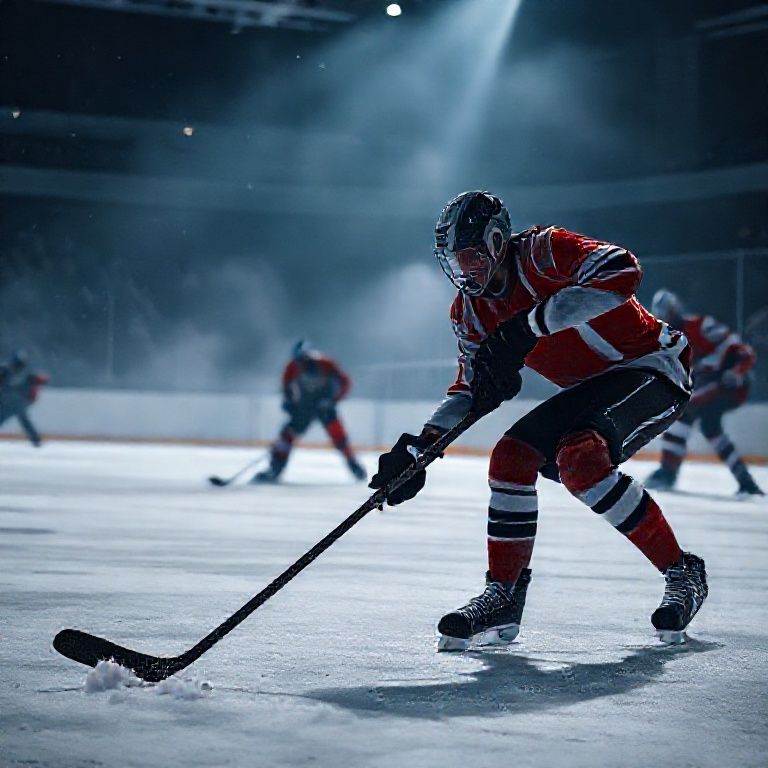
Advanced Basic Hockey Stick Handling Drills for Beginners
Refining Your Technique with Targeted Drills
To take your stick handling skills to the next level, focus on refining your technique with targeted drills. These exercises will help you develop muscle memory and improve your overall control.
Stationary Figure-Eight Drill
1. Stand with your feet shoulder-width apart, holding your stick in front of you.
2. Move the puck along the blade of the stick in a figure-eight pattern, alternating directions.
3. Focus on maintaining speed and control throughout the drill.
4. Gradually increase speed as you become more comfortable.
Moving Figure-Eight Drill
1. Start by moving forward at a slow pace, holding your stick and controlling the speed of the puck.
2. As you move, practice changing direction quickly by shifting your weight and adjusting your stick position.
3. Use your peripheral vision to track the movement of the puck and make adjustments as needed.
4. Incorporate turns, crossovers, and other dynamic movements to challenge yourself.
Puck Protection Stationary Drill
1. Hold your stick in front of you, with the blade facing downwards.
2. Practice moving the puck along the ice while keeping it protected by the blade of the stick.
3. Focus on maintaining control and using your body to shield the puck from opponents.
4. Gradually increase speed as you become more comfortable.
Puck Protection Moving Drill
1. Start by moving forward at a slow pace, holding your stick and controlling the speed of the puck.
2. As you move, practice changing direction quickly while keeping the puck protected.
3. Use your body to shield the puck from opponents and maintain possession.
4. Incorporate turns, crossovers, and other dynamic movements to challenge yourself.
Advanced Drills: Crossover and Behind-the-Back
1. Start by moving forward at a slow pace, holding your stick and controlling the speed of the puck.
2. Practice performing crossover moves, where you move one leg over the other while keeping the puck on the blade.
3. Incorporate behind-the-back movements, where you move the puck from one side of the stick to the other without lifting it off the ice.
4. Focus on maintaining control and using your body to shield the puck from opponents.
Additional Tips and Tricks
Using Your Edges to Aid Stick Handling
Use your edges to help control the puck and maintain possession. Keep your knees bent, weight forward, and use your edges to slide into position.
Staying Low and Balanced with Dynamic Movement
Keep your center of gravity low and balanced while performing stick handling drills. This will help you maintain control and stay stable on the ice, even during dynamic movements.
By incorporating these advanced drills and tips into your practice routine, you’ll be well on your way to becoming a skilled hockey player with exceptional stick handling skills.
References:
Anchor – NHL Pros Share Their Favorite Advanced Stick Handling Drills
Anchor – The Ultimate Guide to Hockey Stick Handling for Beginners

Conclusion
In conclusion, mastering the basics of hockey stick handling is essential for improving your overall gameplay and skills on the ice. By incorporating these simple yet effective drills into your practice routine, you’ll be able to enhance your puck control, agility, and confidence in no time.
So, take the first step towards becoming a more skilled hockey player by trying out some basic stick handling drills today! Start with slow, controlled movements and gradually increase your speed as you become more comfortable. Practice regularly and don’t be afraid to make mistakes â they’re an opportunity to learn and improve. With consistent practice and dedication, you’ll be making sick passes and beating defenders in no time.
Here are five concise FAQ pairs for “Hockey Stick Handling Drills – Basic”:
Q: What is the purpose of stickhandling drills in hockey?
A: The primary goal of stickhandling drills is to improve a player’s ability to control the puck with their stick, increasing their speed and agility on the ice.
Q: How often should I practice stickhandling drills?
A: It’s recommended to practice stickhandling drills 2-3 times per week, for 10-15 minutes at a time, to see consistent improvement in your skills.
Q: What are some common mistakes to avoid when practicing stickhandling drills?
A: Common mistakes include holding the stick too tightly, not keeping the head down, and not staying low to the ice. Avoiding these mistakes will help you maintain control of the puck.
Q: Can I practice stickhandling drills on my own or do I need a partner?
A: Both are beneficial! Practicing with a partner can provide an opponent to react to and improve your reaction time, while practicing alone allows you to focus on technique and build muscle memory.
Q: How long should each drill last before taking a break?
Here’s a short quiz for hockey stick handling drills:
Question 1: What is the primary purpose of a crossover drill in stickhandling?
A) To improve forehand skills
B) To develop crossovers and agility
C) To increase power on shots
Show answer
Answer: B
Question 2: Which type of grip is best suited for stickhandling?
A) Puck grip with fingers spread apart
B) Toe drag grip with toes pointed outward
C) Pen grip with fingers wrapped around the shaft
Show answer
Answer: A
Question 3: What is the benefit of practicing stickhandling in a small, confined space?
A) It increases speed and power
B) It improves accuracy on long passes
C) It enhances agility and reaction time
Show answer
Answer: C
Question 4: How often should you practice stickhandling drills to see improvement?
A) Daily for at least an hour
B) Several times a week for 20-30 minutes
C) Only during off-season training sessions
Show answer
Answer: B


Well written! Amazing content as always. Looking forward to more posts like this.
You’ve outdone yourself with this one! Looking forward to more content like this.
Your expertise really shows in this post. Keep up the good work!
I learned something new today. Thanks! This was really helpful.
So helpful and informative! Great post!
I enjoyed reading this. Really enjoyed reading this. Keep up the great work!