
Hiring Your First Manager Guide: 15 Complete Excellent Strategies That Work

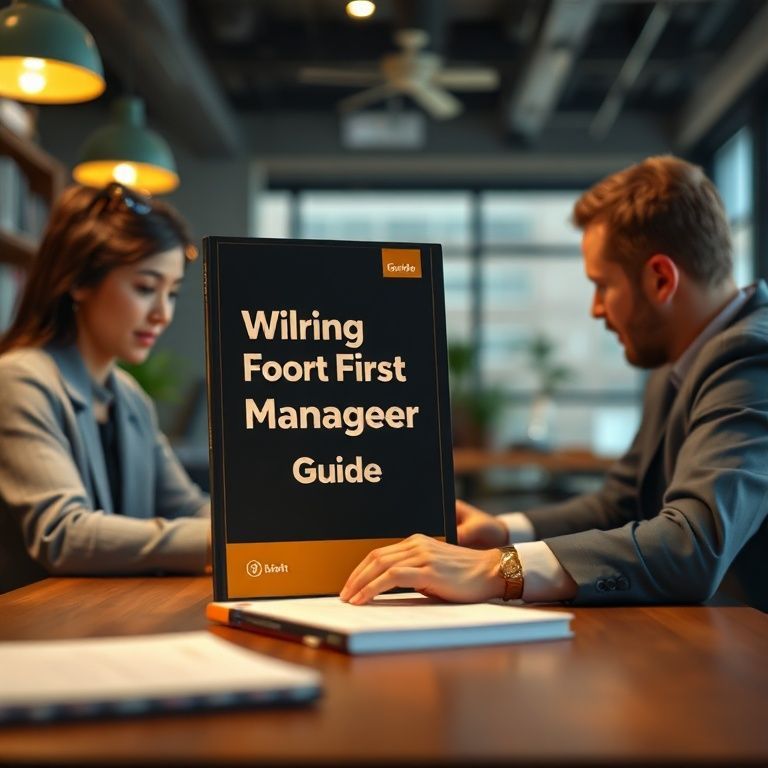
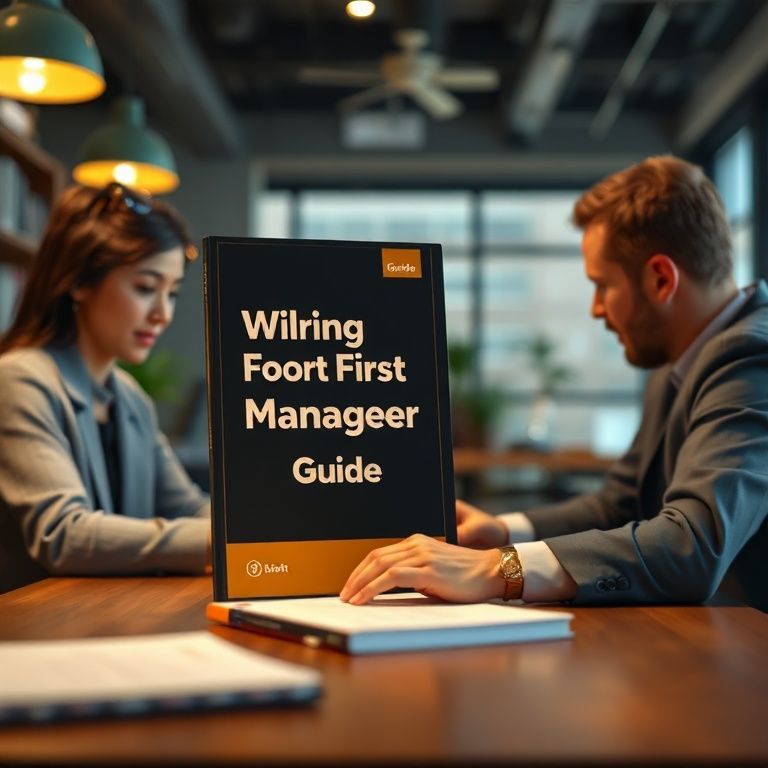
Hiring Your First Manager Guide
Introduction
As you navigate the world of entrepreneurship or early-stage business ownership, one of the most daunting tasks can be finding and hiring your first manager. This is often a critical decision that can make or break the success of your company. A great manager can help drive growth, provide valuable guidance, and support you in achieving your vision, while a poor fit can lead to mismanagement, turnover, and ultimately, failure.
However, with so many candidates vying for this crucial role, it can be challenging to know where to start. Hiring the right manager is not just about finding someone with the right skills or experience; it’s also about understanding the unique dynamics of your business and identifying the qualities that will make a manager successful in your organization.
That’s why we’ve put together this comprehensive guide, “Hiring Your First Manager Guide”, designed to walk you through every step of the hiring process. From defining your ideal candidate profile to conducting effective interviews and making an informed decision, our guide covers everything you need to know to find and hire a manager who will take your business to the next level.

Step 1: Define Your Vision for the Role
When hiring your first manager, it’s essential to define what you’re looking for in a candidate. Consider the following:
Key Responsibilities
Identify the key responsibilities of the role and ensure they align with your company’s goals and objectives. This will help you determine the necessary skills and qualifications for the position.
For example, if you’re hiring a marketing manager, their responsibilities might include developing social media campaigns, creating content calendars, and analyzing campaign results. By understanding these responsibilities, you can identify the essential skills required for the role, such as project management, creative writing, and data analysis.
Step 2: Determine Your Budget
Establishing a budget is crucial when hiring a manager. Consider the following factors:
Salary Range
Determine a realistic salary range based on industry standards, market rates, and your company’s financial situation. For instance, if you’re hiring a software engineer, research the average salary for that position in your location to determine a fair range.
Step 3: Develop a Job Description
Create a comprehensive job description that outlines the key responsibilities, qualifications, and expectations for the role. Include:
Essential Skills
List the essential skills required for the position, such as leadership, communication, and problem-solving abilities. Be specific and provide examples of how these skills will be applied in the role.
For example, if you’re hiring a sales manager, their job description might include: “Essential skills: excellent communication skills, ability to lead a team, and strong negotiation skills. Specifics: The successful candidate will be able to communicate effectively with clients, motivate a team of sales representatives, and negotiate deals that meet company goals.”
Step 4: Identify Potential Candidates
Develop a plan to identify potential candidates, including:
Networking
Utilize your professional network, including colleagues, friends, and industry contacts, to find potential candidates. Reach out to people in your network who work in similar roles or industries and ask for referrals.
For instance, if you’re hiring a graphic designer, you might reach out to colleagues who have worked with freelance designers in the past and ask for recommendations.
Step 5: Evaluate and Select Candidates
Evaluate and select candidates based on their qualifications, experience, and cultural fit. Consider the following:
Skills Assessment
Conduct skills assessments or interviews to evaluate a candidate’s abilities and fit for the role. Ask behavioral questions that demonstrate your company culture values, such as “Tell me about a time when you overcame a difficult challenge in your previous role.”
Reference Checks
Verify a candidate’s professional references to ensure they are trustworthy and reliable. Contact previous employers or colleagues to ask about the candidate’s work habits, communication skills, and overall performance.
Step 6: Negotiate the Offer
Once you’ve selected a candidate, negotiate the offer based on their qualifications and experience. Consider:
Salary Negotiation
Negotiate salary based on industry standards, market rates, and your company’s financial situation. Research the average salary for the position in your location to determine a fair range.
For example, if you’re hiring a software engineer with 5 years of experience, research the average salary for that position in your location to determine a fair offer.
Benefits Package
Develop a comprehensive benefits package that includes perks such as health insurance, retirement plans, and paid time off. Consider what benefits are most important to your target candidate pool and tailor your offer accordingly.
Step 7: Onboard the New Manager
Once you’ve hired your first manager, develop an onboarding plan to ensure their success. Consider:
Training and Development
Provide training and development opportunities to help the new manager grow in their role. This might include workshops, conferences, or online courses that align with industry trends and company goals.
For example, if you’re hiring a marketing manager, provide training on social media advertising, content creation, and analytics tools.
Communication Channels
Establish open communication channels to ensure the new manager feels supported and connected to the team. Schedule regular check-ins with their supervisor or HR representative to discuss progress, feedback, and any challenges they may be facing.
For instance, you might schedule a weekly meeting between the new manager and their supervisor to review goals, provide feedback, and address any questions or concerns they may have.


Conclusion
Conclusion:
Congratulations on taking the first step towards building your leadership skills and career! “Hiring Your First Manager” is an invaluable resource that will guide you through the process of finding, evaluating, and hiring top talent for your team.
Don’t miss out on this opportunity to learn from experienced professionals who have been in your shoes. By following the steps outlined in this guide, you’ll be able to:
* Identify the key qualities and characteristics of a successful manager
* Develop a comprehensive hiring process that attracts top performers
* Create a positive company culture that supports employee growth and development
Take action today and start building a strong leadership team that will drive your business forward. Download “Hiring Your First Manager” guide now and begin your journey to becoming an exceptional leader!
Here are five concise FAQ pairs for “Hiring Your First Manager Guide”:
Q: What is the primary goal of hiring a first manager?
A: The primary goal is to create a scalable business model, allowing you to focus on growth while having an experienced leader to oversee operations.
Q: How do I determine the right skills and experience for my first manager?
A: Consider your industry’s specific requirements, company size, and growth stage when assessing the ideal skill set and experience level for your first manager.
Q: What are some essential qualities to look for in a candidate for the role of first manager?
A: Look for strong leadership skills, business acumen, strategic thinking, communication skills, and the ability to adapt to changing circumstances.
Q: How do I ensure my company culture aligns with the values of my chosen candidate?
A: Research the company’s core values, discuss them during the interview process, and assess whether the candidate’s personal values and work style align with those of your organization.
Q: What are some common mistakes to avoid when hiring a first manager?
Here’s your quiz:
Question 1: What is the primary reason to hire an external manager rather than promoting from within?
A) To save on recruitment costs
B) To avoid conflicts of interest with existing team members
C) To bring in fresh perspectives and new ideas
Show answer
Answer: C
Question 2: When evaluating potential candidates for a management role, what should be your top priority?
A) Relevant work experience
B) Strong communication skills
C) Proven track record of success in similar roles
Show answer
Answer: C
Question 3: What is the key benefit of hiring a manager who has experience working with startups or small businesses?
A) They can bring in established processes and procedures
B) They have a deep understanding of the industry and market trends
C) They can adapt quickly to new environments and challenges
Show answer
Answer: C
Question 4: How often should you schedule regular check-ins with your new manager to ensure they’re aligned with your goals and expectations?
A) Daily or every other day
B) Weekly, but only for major milestones
C) Monthly, at a minimum, to discuss progress and provide feedback






This rocks! 🎸 Keep up the good work!
I enjoyed reading this. Your insights are always spot-on.