
Healthy Hydration During Travel: 8 Game‑Changing Ideas that Instantly Lift Your Day

healthy hydration during travel
Introduction
As we embark on our next adventure, whether it’s a quick weekend getaway or a long-haul flight to a foreign destination, it’s easy to overlook one of the most essential aspects of our overall well-being: staying hydrated. Healthy hydration during travel is crucial for maintaining our physical and mental health, especially when faced with unfamiliar environments, changing altitudes, and limited access to fresh water. With the constant juggling act between packing light and bringing enough essentials, it’s easy to neglect this vital aspect of self-care.
However, dehydration can have serious consequences, from fatigue and headaches to more severe conditions like heatstroke and altitude sickness. When traveling, our bodies are exposed to new stressors that can quickly dehydrate us, making it even more important to prioritize healthy hydration practices. Whether you’re a seasoned traveler or embarking on your first trip abroad, understanding the importance of staying hydrated is essential for ensuring a safe and enjoyable journey.
In this article, we’ll explore the best tips and strategies for maintaining healthy hydration during travel, from packing the right essentials to avoiding common pitfalls that can quickly drain our energy. Whether you’re heading to a bustling city or trekking through the wilderness, we’ll provide you with the knowledge and insights needed to stay hydrated and focused on your travels.
Staying Hydrated on the Go
Understanding the Importance of Healthy Hydration During Travel
Healthy hydration during travel is essential for maintaining physical and mental well-being, especially when traveling to new and unfamiliar environments. Dehydration can lead to fatigue, headaches, and decreased productivity, making it difficult to enjoy your trip. In this section, we’ll explore the importance of healthy hydration during travel and provide practical tips on how to stay hydrated on the go.
Assessing Your Hydration Needs
Step 1: Evaluate Your Activity Level
Consider your planned activities and level of physical exertion. If you plan to engage in strenuous activities such as hiking or sports, you’ll need to drink more water to replenish lost fluids. For example, if you’re planning a 5-mile hike, aim to drink at least 16-20 ounces of water before starting.
Step 2: Check the Weather Forecast
Know the weather conditions for your destination and adjust your hydration accordingly. Hot and humid climates require more fluid intake than cooler and drier climates. For instance, if you’re traveling to a tropical island with high temperatures and humidity, drink at least 12-15 glasses of water per day.
Choosing the Right Beverages
Step 3: Opt for Electrolyte-Rich Drinks
Electrolytes, such as sodium and potassium, are essential for maintaining proper hydration. Choose beverages that contain electrolytes, such as coconut water or sports drinks, to help replenish lost salts. Additionally, consider purchasing electrolyte-rich powders or tablets to add to your water.
Step 4: Avoid Caffeinated Beverages
Caffeine is a diuretic and can exacerbate dehydration. Limit your consumption of caffeinated beverages, especially in hot weather. For example, if you’re planning a long flight, avoid drinking coffee or energy drinks for at least 24 hours before takeoff.
Staying Hydrated on the Go
Step 5: Drink Regularly Throughout the Day
Drink water regularly throughout the day, rather than consuming it all at once. Aim to drink at least 8-10 glasses of water per day, spaced out every 2-3 hours. For example, if you’re traveling by car for 4 hours, drink a glass of water before starting and another after an hour.
Step 6: Monitor Your Urine Output
Check the color and consistency of your urine output. If it’s pale yellow or clear, you’re likely hydrated. Dark yellow or amber-colored urine may indicate dehydration. Additionally, monitor your body’s signs of hydration, such as the color of your skin and the amount of sweat produced.
Additional Tips
Bringing a Reusable Water Bottle
Bring a reusable water bottle to stay hydrated on-the-go. Refill it at water fountains or filtered water stations to avoid buying bottled water. Consider purchasing a refillable water bottle with measurement markings to track your daily fluid intake.
Eating Hydrating Foods
Incorporate hydrating foods, such as watermelon and cucumbers, into your diet to supplement your water intake. Additionally, eat foods high in electrolytes like bananas (potassium), avocados (potassium), and nuts (magnesium).
Preparing for Altitude Changes
If you’re traveling to high-altitude destinations, drink more water than usual to account for the lower air pressure. Aim to increase your fluid intake by 10-20% above normal levels.
For more information on healthy hydration during travel, check out the following resources:
(National Academy of Sciences) The Adequate Intake Levels for Water: A Review of the Literature (2019)
(Travel Health Online) Staying Hydrated While Traveling: Tips and Tricks
Healthy Hydration During Travel
Pre-Travel Preparation
Before embarking on your journey, take the following steps to ensure you’re well-hydrated:
1. Drink plenty of water in the days leading up to your trip to top off your fluids and prevent dehydration.
2. Avoid caffeine and sugary drinks that can act as diuretics and dehydrate you further.
Packing Essentials
When packing for travel, don’t forget to include:
1. A refillable water bottle or hydration pack to stay hydrated on the go.
2. Electrolyte-rich beverages like coconut water or sports drinks to replenish lost salts.
3. Water purification tablets or a portable filter to ensure access to safe drinking water.
Staying Hydrated During Travel
Once you’re on the road, follow these tips:
1. Drink regularly throughout the day, even if you don’t feel thirsty.
2. Avoid over-exertion and take regular breaks in shaded areas to rest and hydrate.
3. Eat hydrating foods like watermelon, cantaloupe, and celery to supplement your hydration.
Managing Altitude Sickness
If you’ll be traveling to high-altitude destinations:
1. Drink plenty of water to help your body acclimate to the lower oxygen levels.
2. Avoid strenuous activities for at least 24 hours after arrival to allow your body to adjust.
3. Consider taking altitude-sickness medication or supplements as recommended by your doctor.
Dealing with Air Travel
When flying, follow these tips:
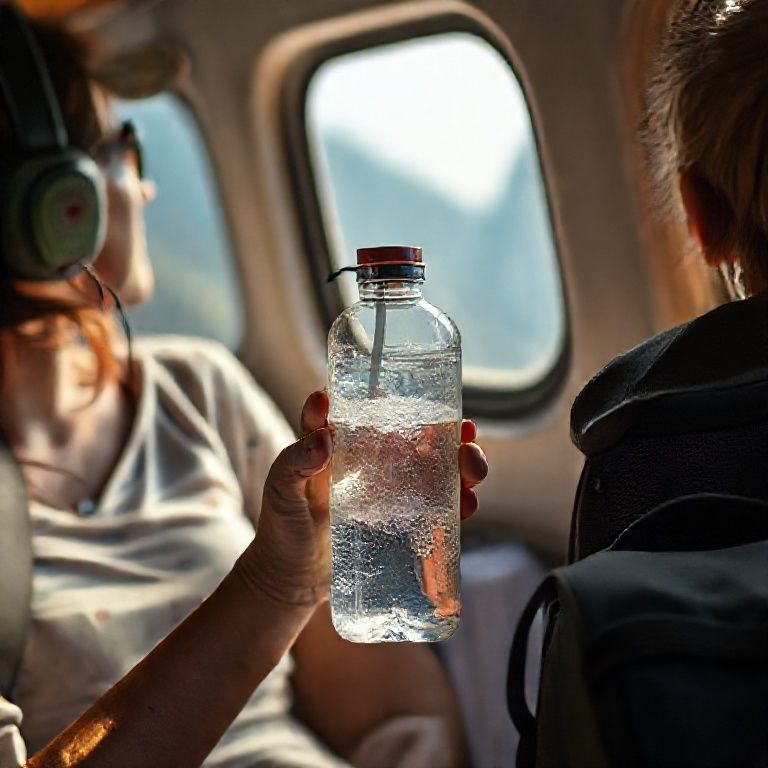
1. Stay hydrated by drinking water regularly throughout the flight.
2. Avoid caffeine and sugary drinks that can exacerbate dehydration.
3. Consider bringing an eye mask and earplugs to reduce stress and promote better hydration.
Managing Hydration During Long-Haul Flights
For long-haul flights, try these tips:
1. Drink at least 8-10 ounces of water per hour to stay hydrated.
2. Avoid over-relying on in-flight drinks and snacks that can be dehydrating.
3. Consider bringing a travel-sized hydration pack or refillable water bottle to keep you hydrated during the flight.
Staying Hydrated After Arrival
After arriving at your destination, follow these tips:
1. Drink plenty of water within the first 24 hours to rehydrate after travel stress.
2. Eat hydrating foods and snacks to replenish lost fluids.
3. Consider consulting with a healthcare professional for personalized hydration advice based on your specific needs and health status.
Conclusion
As we embark on our travels, it’s essential to remember the importance of healthy hydration in maintaining our overall well-being. Dehydration can lead to fatigue, headaches, and decreased productivity, making it harder to enjoy our trips. To prioritize your health and happiness while traveling, make sure to drink plenty of water throughout the day, avoid sugary and caffeinated drinks that can exacerbate dehydration, and consider packing a refillable water bottle to stay hydrated on-the-go. By taking these simple steps, you can ensure a healthy and refreshing travel experience.
Here are five concise FAQ pairs for “healthy hydration during travel”:
Q: What is the best way to stay hydrated while traveling?
A: Drink plenty of water throughout the day, aiming for at least 8 cups (64 oz) per day, and consider packing a refillable water bottle.
Q: How can I avoid dehydration from airplane air?
A: Stay hydrated by drinking water before, during, and after flying, and consider sucking on ice cubes or chewing sugar-free gum to stimulate saliva production.
Q: Can I safely drink tap water while traveling abroad?
A: It’s best to err on the side of caution and stick to bottled or filtered water to avoid waterborne illnesses.
Q: What are some healthy hydration options for long car rides or bus trips?
A: Bring a refillable water bottle, snack on hydrating foods like fruits and nuts, and consider packing electrolyte-rich drinks like coconut water or sports drinks.
Q: Can I still get enough hydration if I’m traveling to a hot destination?
Here’s a short quiz for “Healthy Hydration During Travel”:
Question 1: What is the best way to stay hydrated during long flights?
A) Drink only water from the in-flight menu
B) Bring an empty water bottle through security and fill it up at a water fountain before boarding
C) Rely on sugary drinks like soda and juice to quench your thirst
Show answer
Answer: B
Question 2: How often should you drink water during travel?
A) Only when you feel thirsty
B) Every hour, regardless of whether you’re feeling thirsty or not
C) When you start to feel a slight decrease in urine output
Show answer
Answer: C
Question 3: What is the best type of hydration bottle to bring on a trip?
A) A plastic water bottle that’s easy to carry but may leach chemicals into your water
B) A BPA-free, insulated stainless steel bottle that keeps drinks hot or cold for hours
C) A glass bottle that can be easily broken and is prone to breakage
Show answer
Answer: B
Question 4: What should you do if you’re experiencing dehydration during travel?
A) Continue to drink only water and try to power through
B) Take a warm bath or shower to rehydrate
C) Eat hydrating foods like bananas, avocados, and broth-based soups to replenish lost electrolytes
Show answer
Answer: C


Really enjoyed reading this. Keep up the great work! Looking forward to more content like this.
Thanks for this post. This is incredibly well-researched and informative.
Interesting perspective. Your insights are always spot-on.
Well written! Brilliant explanation! Everything makes sense now.