
Healthy Fridge Organization: 6 Hidden Traps to Ditch Right Now

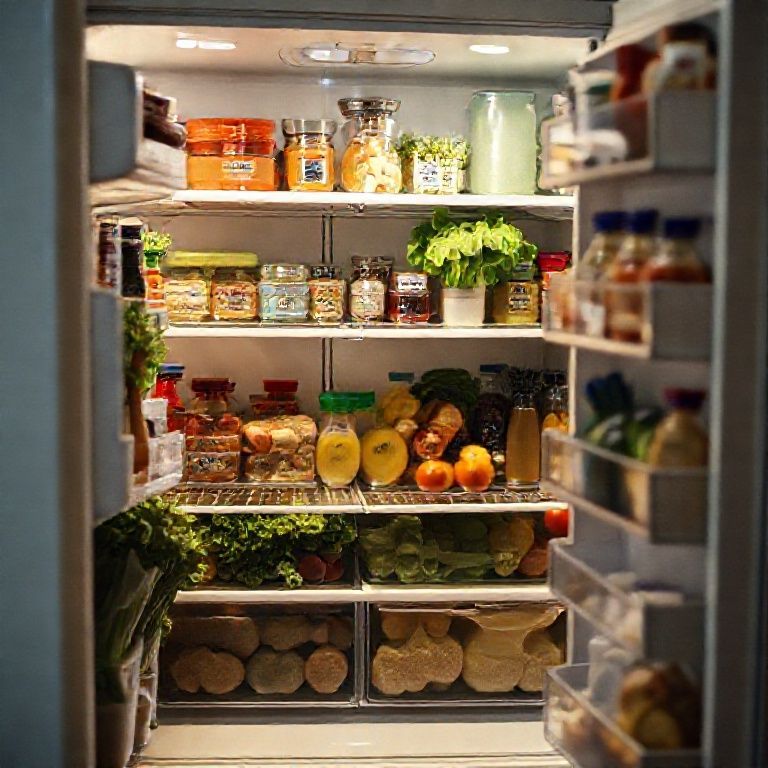
healthy fridge organization
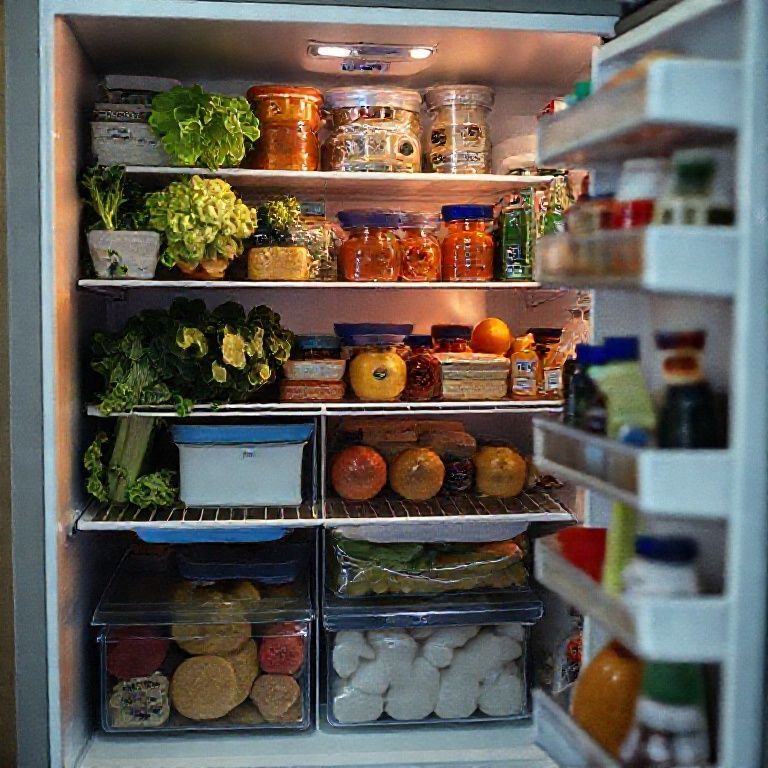
Introduction
As we navigate our busy lives, it’s easy to let clutter and disorganization creep into even the most essential spaces – like our kitchens. A cluttered fridge can be a breeding ground for stress, wasted food, and unhealthy eating habits. But what if you could have a fridge that not only kept your food fresh but also supported your overall well-being? Healthy fridge organization is more than just a tidy space; it’s a key to unlocking healthier eating habits, reducing food waste, and boosting your mental clarity.
A cluttered fridge can lead to decision fatigue, making it harder to choose healthy meals and snacks. When everything is jumbled together, you’re more likely to grab the nearest thing, even if it’s not nutritious or convenient. By organizing your fridge in a way that makes sense for your lifestyle, you can streamline meal prep, reduce food waste, and create a healthier relationship with food.
In this article, we’ll explore the benefits of healthy fridge organization, from reducing stress and saving time to improving your overall health and wellbeing. We’ll share practical tips and strategies for creating a functional and organized fridge that supports your unique needs and goals. Whether you’re a busy professional or an avid home cook, learning how to create a healthy fridge is an investment in your well-being that’s worth making.

Creating a Healthy Fridge Organization System
Understanding the Benefits of Healthy Fridge Organization
A well-organized fridge is not only aesthetically pleasing but also essential for maintaining a healthy diet and reducing food waste. By implementing a healthy fridge organization system, you can ensure that your food is stored properly, making it easier to prepare nutritious meals and snacks.
Step 1: Purge and Clean the Fridge
Before organizing your fridge, take the time to purge any expired or spoiled food items. Remove all contents from the fridge and sort them into three categories: keep, donate/sell, and discard. Wipe down the shelves and walls with a mixture of soap and water, and dry them thoroughly.
Step 2: Categorize and Group Similar Items
Divide your fridge contents into categories, such as:
Dairy and eggs
Meat and poultry
Fresh produce
Leftovers and prepared meals
Beverages
Condiments and sauces
Snacks and beverages
Fermented foods (e.g., yogurt, kimchi)
Group similar items together to make it easier to find what you need when cooking. For example:
Store all types of cheese on one shelf in the dairy category.
Organize your produce into a separate section or use baskets to keep them contained.
Step 3: Assign a Home for Each Item
Assign a designated spot for each item in your fridge, taking into account the frequency of use and storage requirements. For example:
Store dairy products on the middle shelf, where they are easily accessible.
Keep raw meat and poultry on the bottom shelf to prevent cross-contamination.
Place frequently used condiments and sauces near eye level for easy access.
Step 4: Utilize Vertical Space
Make the most of your fridge’s vertical space by using stackable containers or baskets to store smaller items like:
Condiments and sauces
Snacks and beverages
Fermented foods
Spices and seasonings
Consider investing in adjustable shelves or dividers to customize your storage layout.
Step 5: Maintain Your Fridge Organization System
To maintain your healthy fridge organization system:
Set a regular cleaning schedule (e.g., weekly or bi-weekly).
Check expiration dates regularly and remove expired items.
Reorganize your contents as needed to ensure everything has its assigned home.
Clean spills immediately to prevent stains and bacterial growth.
By following these steps, you can create a healthy fridge organization system that promotes a balanced diet and reduces food waste. For more tips on meal planning and grocery shopping, check out Meal Planning 101 from the United States Department of Agriculture (USDA).
For inspiration on organizing your kitchen, visit The Spruce Eats’ Kitchen Organization Guide.
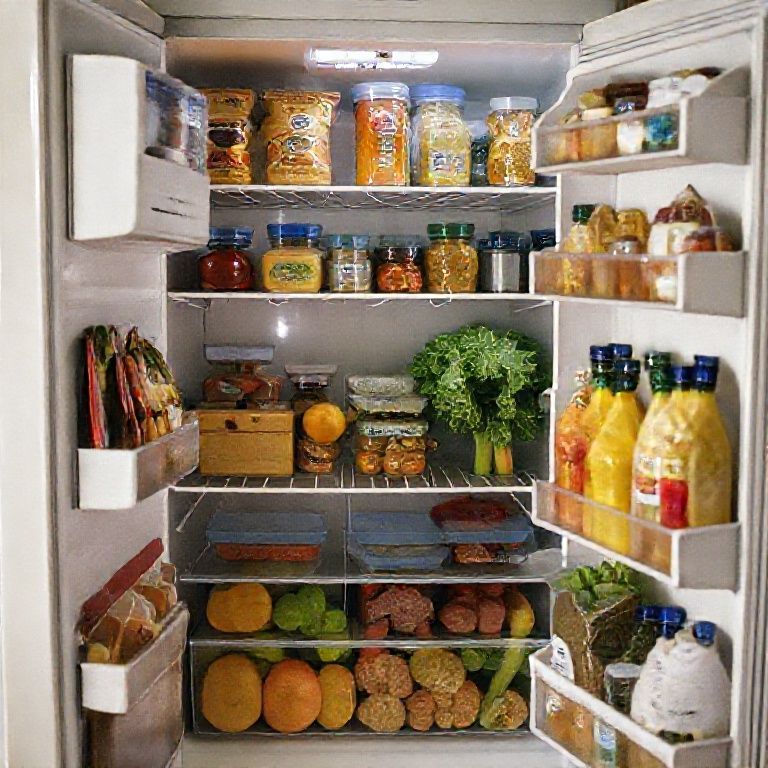
Conclusion
In conclusion, creating a healthy fridge organization system is an essential step towards maintaining a balanced diet and reducing food waste. By implementing simple strategies such as meal planning, grocery list management, and efficient storage, you can optimize your fridge’s functionality and enjoy the benefits of healthier eating. Start today by assessing your current fridge setup, identifying areas for improvement, and making small changes to create a more organized and sustainable space that supports your wellness goals.
Here are five concise FAQ pairs for healthy fridge organization:
Q: Why is it important to organize my fridge?
A: Organizing your fridge helps you use up food before it expires, reduces food waste, and saves time searching for ingredients.
Q: How do I categorize items in my fridge?
A: Group similar items together (e.g., dairy, meats, fruits, vegetables) to make them easily accessible and prevent clutter.
Q: What are some tips for storing raw meat and poultry safely?
A: Store raw meat and poultry on the bottom shelf of your fridge, wrapped tightly in plastic wrap or aluminum foil, and keep them at 40°F (4°C) or below.
Q: How often should I clean my fridge?
A: Clean your fridge every 1-2 months by wiping down shelves and walls with a mixture of soap and water, and checking expiration dates to remove expired items.
Q: What are some common mistakes people make when organizing their fridge?
Here’s a short quiz for healthy fridge organization:
Question 1: What is the best way to store fruits and vegetables in the fridge?
A) In airtight containers or ziplock bags
B) Loose in a single layer on the shelves
C) Stacked with other items, like bottles and cans
Show answer
Answer: A
Question 2: Which of the following foods should be stored at the bottom shelf of the fridge to prevent juices from dripping onto other items?
A) Raw meat, poultry, and fish
B) Dairy products and eggs
C) Fresh herbs and leafy greens
Show answer
Answer: A
Question 3: How often should you clean out expired or spoiled food from your fridge?
A) Every time you restock groceries
B) Once a week, or when the fridge is almost full
C) When the fridge is empty, usually every 2-3 months
Show answer
Answer: C
Question 4: What type of containers are best for storing leftovers in the fridge?
A) Glass containers with lids
B) Plastic containers that can be microwaved
C) Airtight containers made of stainless steel or glass
Show answer
Answer: C




Thanks for sharing your expertise on this topic. This was really helpful.
I enjoyed reading this. Amazing insights!
Interesting perspective. This opened my eyes to a new way of thinking.
I enjoyed reading this. Fantastic insights! Really appreciate your expertise.
Interesting perspective. Your insights are always spot-on.
Thank you for this detailed explanation. Much appreciated! 👍