
Gut Health Breakfast Routine: 9 Common Pitfalls that Hold You Back


gut health breakfast routine

Introduction
As we start our day, what we eat for breakfast can have a profound impact on our overall well-being, including our digestive system. A healthy gut health breakfast routine is essential for setting ourselves up for a day of energy and vitality. Research has shown that the foods we consume in the morning can either support or disrupt the balance of good bacteria in our gut, influencing everything from our mood to our immune function.
A traditional Western-style breakfast often consists of processed meats, sugary cereals, and other ingredients that can wreak havoc on the delicate ecosystem of our gut. In contrast, a balanced breakfast that incorporates fermented foods, fiber-rich fruits and vegetables, and whole grains can provide the nutrients and prebiotics needed to support a thriving gut microbiome.
In this article, we’ll explore the benefits of adopting a gut health breakfast routine, including how to create a personalized morning plan that nourishes both body and mind. We’ll delve into the latest research on the impact of breakfast foods on gut health, and provide practical tips and recipes for incorporating more gut-friendly ingredients into your daily routine.

Creating a Gut Health Breakfast Routine
Understanding the Importance of Gut Health
A healthy gut is essential for overall well-being, and starting your day with a balanced breakfast can set you up for success. A nutritious breakfast helps support the growth of beneficial gut bacteria, which in turn boosts your immune system, aids in digestion, and even influences your mood.
Step 1: Choose a Gut-Friendly Breakfast Food
When selecting a breakfast food, opt for whole, unprocessed foods that are rich in fiber, such as:
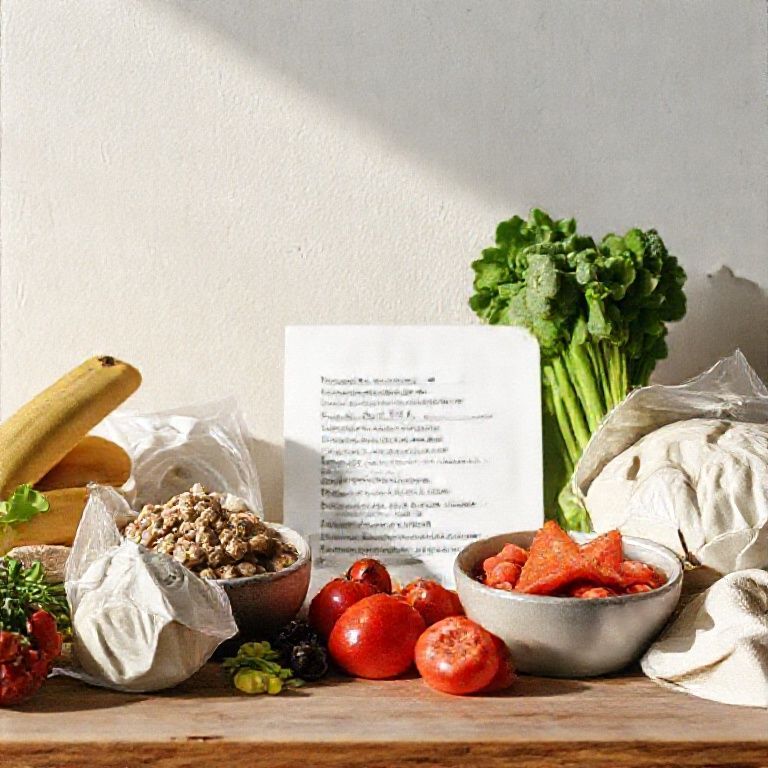
Fresh fruits (e.g., berries, citrus), particularly those high in polyphenols like blueberries and pomegranate
Leafy greens (e.g., spinach, kale) packed with antioxidants and prebiotic fibers
Whole grains (e.g., quinoa, brown rice) that provide sustained energy and fiber
Legumes (e.g., lentils, chickpeas) rich in protein, fiber, and prebiotic compounds
Incorporating Gut-Friendly Ingredients into Your Breakfast Routine
Adding Prebiotic-Rich Foods to Your Breakfast
Prebiotics are non-digestible fibers that help feed the good bacteria in your gut. Some examples of prebiotic-rich foods include:
Asparagus spears with a sprinkle of parmesan cheese for added umami flavor
Bananas, which contain pectin, a soluble fiber that feeds beneficial bacteria
Onions and garlic, which are rich in fructans, a type of prebiotic fiber
Sweet potatoes, which are high in resistant starch, a prebiotic compound
Add these foods to your breakfast routine, such as by topping your oatmeal with sautéed onions and garlic or adding sliced bananas to your smoothie.
Incorporating Fermented Foods into Your Breakfast
Fermented foods contain live cultures of beneficial bacteria that can help support gut health. Consider adding:
Yogurt (choose a brand with “live and active cultures”) topped with probiotic-rich toppings like kefir, honey, or chia seeds
Kefir smoothies with kefir grains, which provide a boost of probiotics and protein
Sauerkraut, kimchi, or fermented vegetables as a tangy and nutritious addition to your breakfast omelette or scrambled eggs
to your breakfast routine, such as by topping your yogurt with sauerkraut or adding kimchi to your omelette.
Tips for Creating a Sustainable Gut Health Breakfast Routine
Start Small and Be Consistent
Begin by making small changes to your breakfast routine and gradually work towards incorporating more gut-friendly foods. Aim to make these changes consistently over time to see noticeable improvements in your gut health. For example, start by adding a serving of fermented yogurt or kefir to your breakfast and gradually increase the amount over time.
Experiment with Different Recipes
Don’t be afraid to try new recipes and ingredients until you find a breakfast routine that works for you. Consider consulting with a registered dietitian or healthcare professional for personalized guidance. Some ideas to get you started include:
Overnight oats with kefir, chia seeds, and fresh fruit
Avocado toast on whole-grain bread topped with scrambled eggs and sautéed spinach
Smoothie bowls made with frozen berries, banana, almond milk, and topped with granola, nuts, and seeds
Conclusion
Creating a gut health breakfast routine takes time and effort, but the benefits are well worth it. By incorporating whole, unprocessed foods, prebiotic-rich foods, and fermented foods into your breakfast routine, you can set yourself up for success and support overall health and well-being.
For more information on gut health and nutrition, visit:
Anchor (Academy of Nutrition and Dietetics)
Anchor (National Institute of Diabetes and Digestive and Kidney Diseases)


Conclusion
In establishing a gut health breakfast routine, it’s clear that the key to a balanced start lies in nourishing both body and microbiome. By incorporating fermented foods, prebiotic-rich ingredients, and nutrient-dense options into your morning meal plan, you can kickstart your digestive system for optimal performance. Take control of your gut health today by making conscious choices about what you eat, and watch as a healthier, happier you begins to flourish.
Here are five concise FAQ pairs for a “gut health breakfast routine”:
Q: What foods should I include in my gut-friendly breakfast?
A: Include fermented foods like yogurt, kefir, sauerkraut, or kimchi, as well as probiotic-rich foods like chia seeds and flaxseeds.
Q: How do I choose the right probiotic for my breakfast?
A: Look for a probiotic that contains strains like Lactobacillus acidophilus, Bifidobacterium bifidum, or Saccharomyces boulardii, which are known for their gut health benefits.
Q: Can I make my own probiotic-rich foods at home?
A: Yes, you can make your own fermented foods at home using a crock pot, Instant Pot, or a simple fermentation recipe.
Q: What’s the best way to incorporate prebiotic fiber into my breakfast?
A: Add prebiotic-rich foods like psyllium husk, inulin, or asparagus to your oatmeal, yogurt, or smoothie for an extra gut health boost.
Q: How long does it take to notice benefits from a gut-friendly breakfast routine?
Here’s a short quiz for a gut health breakfast routine:
Question 1: What is a key ingredient in fermented foods that can help support gut health?
A) Fiber
B) Probiotics
C) Sugar
Show answer
Answer: B) Probiotics
Question 2: Which of the following breakfast foods contains prebiotic fiber, which feeds good bacteria in the gut?
A) Oatmeal
B) Greek yogurt with berries
C) Bacon and eggs
Show answer
Answer: A) Oatmeal
Question 3: What is a beneficial type of fat that can help reduce inflammation in the gut?
A) Saturated fat
B) Omega-6 fatty acid
C) Omega-3 fatty acid
Show answer
Answer: C) Omega-3 fatty acid
Question 4: Which of the following beverages may contain beneficial probiotics, but be cautious of added sugars?
A) Green smoothie with spinach and banana
B) Kombucha tea
C) Fruit juice with added honey
Show answer
Answer: B) Kombucha tea





Amazing insights!
Excellent post! I learned something new today. 👍
This post answered all my questions. Thank you! Thanks for sharing!