
Green Tech Habits For Home Energy: Red Flags to Ditch for Good

green tech habits for home energy
Introduction
As we continue to grapple with the challenges of climate change and sustainability, it’s becoming increasingly clear that our daily choices have a significant impact on the health of our planet. One area where individuals can make a real difference is in their homes, where energy consumption is a major contributor to greenhouse gas emissions. By adopting green tech habits for home energy, we can significantly reduce our carbon footprint and create a more sustainable living space.
But what exactly are these green tech habits, and how can they be incorporated into our daily lives? The good news is that making the switch to renewable energy and reducing waste doesn’t have to break the bank or require significant renovations. From simple changes in your daily routine to more substantial investments in home technology, there are countless ways to make your home a hub of eco-friendly innovation.
In this article, we’ll explore some of the most effective green tech habits for home energy, from smart appliances and energy-efficient lighting to innovative water-saving systems and renewable energy sources. By incorporating these simple yet powerful strategies into your daily routine, you can take a significant step towards creating a more sustainable living space that not only benefits the environment but also saves you money on your utility bills.
Reducing Your Home Energy Consumption with Green Tech Habits
Step 1: Assessing Your Home’s Energy Usage
Before implementing any green tech habits for home energy, it’s essential to understand your current energy usage patterns. You can start by using a smart plug or an energy monitoring device to track the amount of energy your appliances and lights are consuming. This will help you identify areas where you can make changes.
Energy-Efficient Lighting
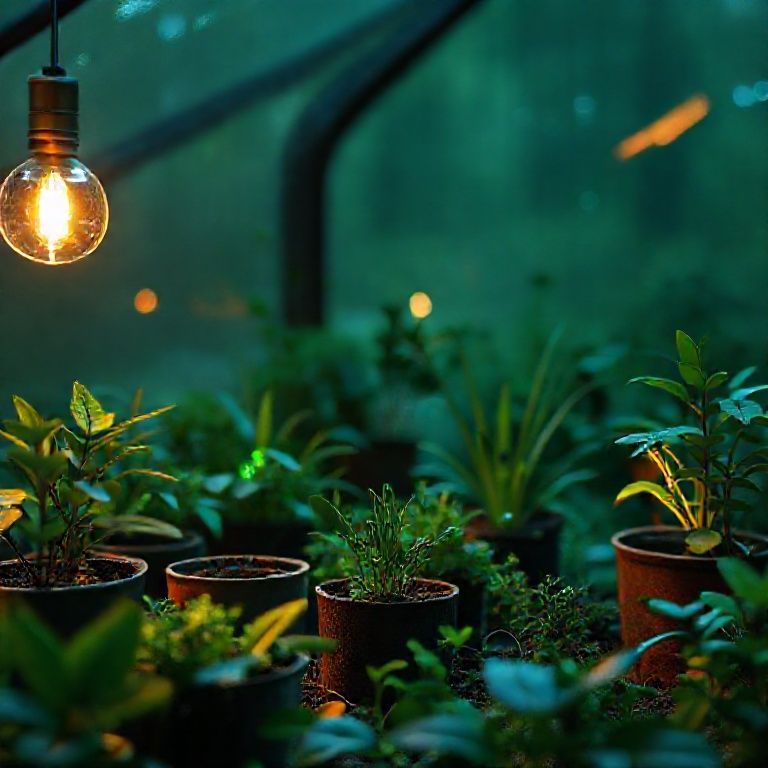
Switching to energy-efficient lighting options is one of the simplest ways to reduce your home’s energy consumption. LED bulbs, for instance, use significantly less energy than traditional incandescent bulbs and can last up to 25 times longer.
Step-by-Step Guide:
1. Replace existing light bulbs with LED bulbs and consider purchasing bulbs with a high lumen-per-watt rating.
2. Install smart light switches that can be controlled remotely using a smartphone app, allowing you to turn lights on and off even when you’re not at home.
3. Consider using dimmers to adjust the brightness of your lights, which can also help reduce energy consumption.
Optimizing Your Home’s Insulation
Proper insulation is crucial for reducing heat loss in the winter and heat gain in the summer. Check your attic, walls, and floors for adequate insulation. If you find any gaps or deficiencies, consider adding insulation to improve your home’s energy efficiency.
Step-by-Step Guide:
1. Hire a professional to conduct an energy audit of your home, which will identify areas where insulation is needed.
2. Seal any air leaks using caulk or spray foam to prevent heated or cooled air from escaping.
3. Install additional insulation in areas where needed, such as in attics, walls, and floors.
Using Renewable Energy Sources
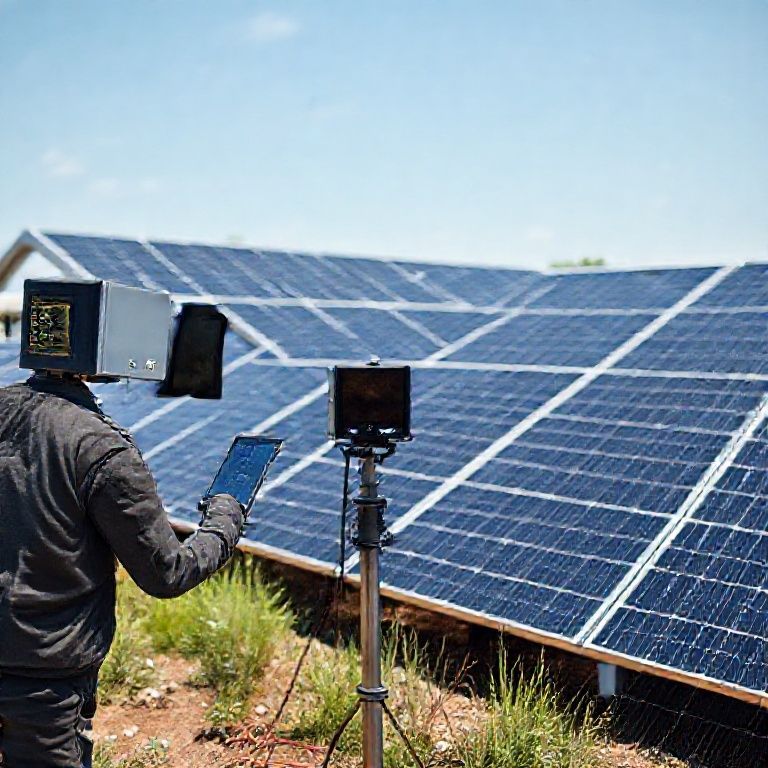
One of the most effective ways to reduce your home’s carbon footprint is by harnessing renewable energy sources like solar and wind power. Consider installing a solar panel system on your roof or investing in a community solar program if that’s not feasible.
Step-by-Step Guide:
1. Research local incentives and tax credits for renewable energy installations, such as rebates and property tax exemptions.
2. Consult with a professional to determine the feasibility of your home for solar panels, taking into account factors like roof size, orientation, and shading.
3. Invest in a community solar program if individual installation is not possible, which can provide access to renewable energy even if you don’t have a suitable location for solar panels.
Smart Home Devices
Smart home devices can help you monitor and control your energy usage remotely, making it easier to adopt green tech habits. Consider investing in smart thermostats, energy monitors, or smart plugs that can be controlled using a smartphone app.
Step-by-Step Guide:
1. Research different smart home device options and their features, such as Wi-Fi connectivity, voice control integration, and energy monitoring capabilities.
2. Choose the devices that best suit your needs and budget, considering factors like compatibility with existing systems and ease of use.
3. Install and configure your devices according to the manufacturer’s instructions, taking advantage of any included tutorials or online resources.
Additional Tips
Step 1: Conduct a Home Energy Audit
Conducting a home energy audit can help identify areas where energy is being wasted and provide recommendations for improvement.
Step 2: Upgrade to Energy-Efficient Appliances
Upgrading to energy-efficient appliances, such as LED TVs and energy-star certified refrigerators, can significantly reduce your home’s energy consumption.
Step 3: Use Power Strips and Surge Protectors
Using power strips and surge protectors can help eliminate standby power consumption from devices like TVs and computers.
Conclusion
By implementing these green tech habits for home energy, you can significantly reduce your carbon footprint and save money on your energy bills. Remember to always research local incentives and consult with professionals when needed to ensure a successful transition to greener living.
Conclusion
As we strive to reduce our carbon footprint and create a more sustainable future, adopting green tech habits in our homes is crucial. By incorporating simple yet effective practices into our daily lives, we can significantly lower our energy consumption and contribute to a cleaner environment.
Start by taking the first step towards a greener home today. Begin by assessing your current energy usage, identifying areas for improvement, and exploring eco-friendly alternatives such as LED light bulbs, smart thermostats, and energy-efficient appliances. Make informed decisions about your energy provider, consider renewable energy sources like solar or wind power, and invest in energy-saving devices that can help you reduce waste.
Together, let’s make a difference by embracing green tech habits for home energy. By working together, we can create a brighter, more sustainable future for ourselves and future generations.
Here are five concise FAQ pairs for “green tech habits for home energy”:
Q: What is a smart thermostat, and how does it help with home energy?
A: A smart thermostat learns your schedule and preferences to optimize heating and cooling usage, reducing energy waste and saving you money.
Q: How do I choose the right LED light bulbs for my home?
A: Look for bulbs with high lumen-per-watt ratings (lm/W) and consider bulbs with a higher CRI (color rendering index) for better color accuracy and energy efficiency.
Q: What is a power strip, and how can it help reduce standby energy usage?
A: A power strip allows you to easily turn off multiple devices at once, eliminating standby power consumption when they’re not in use. Plug your electronics into the strip and flip the switch to save energy.
Q: How do I make my home more energy-efficient with window treatments?
A: Use thick curtains or blinds to block out sunlight during peak hours, keep windows closed on cold days, and consider installing solar shades or thermal window treatments for added insulation.
Q: What is a programmable energy monitor, and how can it help me track my energy usage?
Here’s your short quiz:
What is one of the most effective ways to reduce heat loss in your home?
A) Using thick curtains
B) Installing insulation in your attic
C) Painting your walls with a dark color
Show answer
Answer: B) Installing insulation in your attic
Which green tech habit can help you save money on your energy bills by reducing your reliance on non-renewable energy sources?
A) Using LED light bulbs
B) Buying energy-efficient appliances
C) All of the above
Show answer
Answer: C) All of the above
What is a simple way to reduce your home’s water waste and lower your water bill?
A) Fixing all leaks immediately
B) Installing low-flow showerheads and toilets
C) Using a hose with a spray nozzle
Show answer
Answer: B) Installing low-flow showerheads and toilets
How can you make your home more energy-efficient by reducing the amount of heat that escapes through windows?
A) Using window film to block UV rays
B) Applying a clear coat to windows for added insulation
C) Replacing old windows with new, double-paned ones
Show answer
Answer: C) Replacing old windows with new, double-paned ones




I love how you break down complex topics. Thanks for sharing!
I love how you break down complex topics!
This is pure gold! 😊
You have a gift for explaining things clearly.