
Fridge Organization Routine: 12 Game‑Changing Ideas that Actually Work

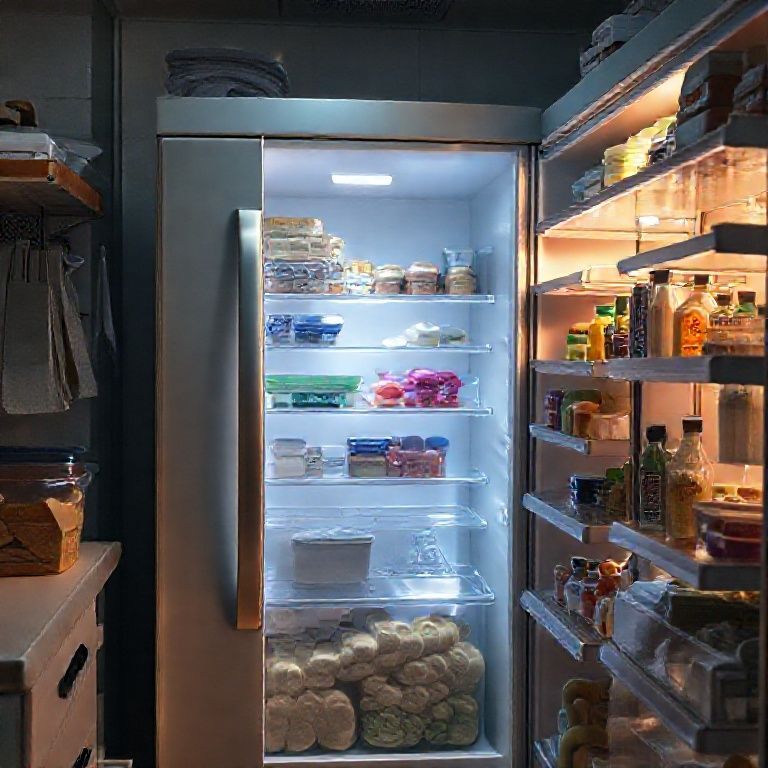
fridge organization routine

Introduction
As we embark on a new year, many of us are reflecting on our habits and routines to make positive changes in our lives. One often-overlooked area that can greatly impact our daily lives is the kitchen, particularly when it comes to food storage and organization. Developing a fridge organization routine can be a game-changer for anyone looking to streamline their cooking process, reduce food waste, and save time.
A cluttered and disorganized fridge can lead to a chaotic kitchen environment, making it difficult to find what you need when you need it. expired items, forgotten leftovers, and misplaced containers can all contribute to this chaos. On the other hand, a well-organized fridge can help you stay on top of meal planning, grocery shopping, and cooking, ultimately saving you time and stress.
In this article, we’ll explore the importance of establishing a fridge organization routine and provide practical tips and strategies for creating a more efficient and organized kitchen space. From maximizing storage capacity to implementing effective cleaning and maintenance habits, we’ll cover it all to help you create a fridge that works for you.

Creating a Fridge Organization Routine for a Clutter-Free Kitchen
Understanding the Importance of Fridge Organization
A well-organized fridge is not only aesthetically pleasing but also essential for maintaining food safety and reducing waste. A cluttered fridge can lead to expired or spoiled food, which can be detrimental to your health. By implementing a regular fridge organization routine, you can keep your kitchen organized, reduce stress, and save time in the long run.
Step 1: Purge and Clean
Before organizing your fridge, it’s essential to purge any expired or spoiled food items. Remove all contents from the fridge and wipe down the shelves and walls with a mixture of soap and warm water. This will help remove any lingering bacteria and odors.
How to Check Expiration Dates
Check expiration dates on packaged foods and dispose of any items that are past their prime. You can also use the “first in, first out” rule to ensure older items are consumed before they expire.
Cleaning Products for a Sparkling Fridge
Use a gentle cleaning product like Seventh Generation or Ecover to clean your fridge. Avoid using harsh chemicals or abrasive cleaners that can damage surfaces or harm you.
Step 2: Categorize and Purge
Once your fridge is clean, categorize items into groups, such as meats, dairy, fruits, and vegetables. Remove any unnecessary or duplicate items from each category. Consider the following questions when deciding what to keep and what to discard:
When was the last time I used this item?
Is it still good to eat?
Can I substitute it with another item?
Tips for Reducing Food Waste
Plan your meals in advance to reduce food waste. Use up leftovers, and consider freezing items like meat, bread, or vegetables when they’re at their peak freshness.
Step 3: Organize and Store
Once you’ve purged and categorized your fridge contents, it’s time to organize and store them efficiently. Consider the following storage tips:
Shelf Organization
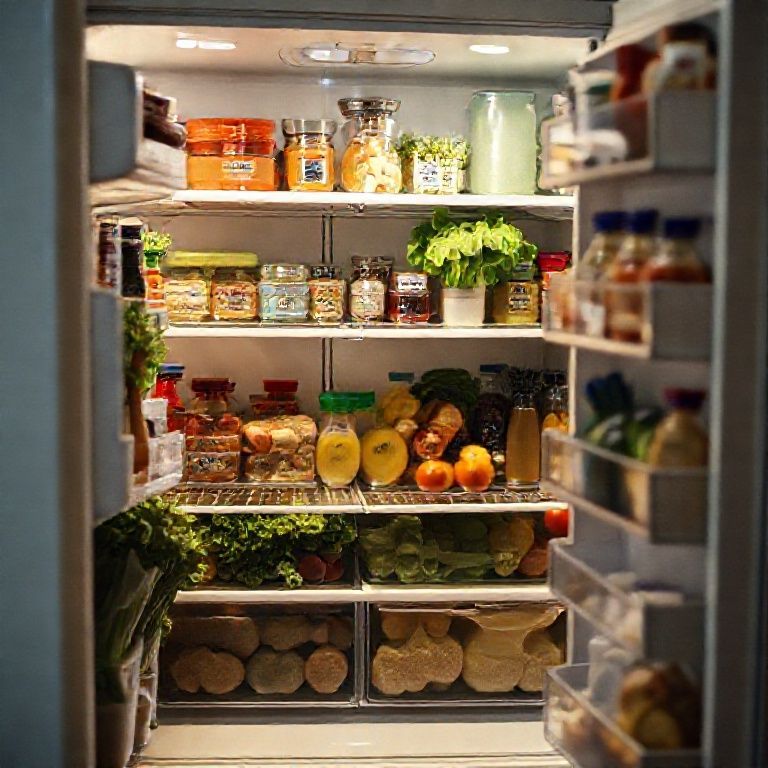
Divide shelves into categories, such as meats, dairy, fruits, and vegetables. Use baskets or containers to store small items like condiments or snacks.
Vertical Storage
Make the most of your fridge’s vertical space by using stackable containers or baskets for storing smaller items.
Labeling Containers
Label containers with their contents and date stored to ensure you use the oldest items first.
Step 4: Maintain Your Fridge Organization Routine
To maintain your newly organized fridge, schedule regular cleaning sessions (e.g., every 2-3 months) and make it a habit to tidy up after meals. By following this simple routine, you can keep your fridge organized, reduce food waste, and enjoy a healthier and more stress-free kitchen.
For more tips on maintaining a clean and organized kitchen, see The Importance of Kitchen CleaningKitchenorganizationor 10 Simple Steps to a Cleaner KitchenCleansingtips.
Fridge Organization Routine
Preparing Your Fridge for Organization
Before you start organizing your fridge, take some time to clean it thoroughly. Remove all contents and wipe down the shelves, walls, and floor with a mixture of soap and warm water. This will give you a fresh start and help you identify any areas that need extra attention.
Removing Expired or Spoiled Food
Take this opportunity to get rid of any expired or spoiled food. Check expiration dates on all items and toss anything that’s past its prime. Be ruthless – if it’s not good to eat, throw it out!
Categorizing and Purging
Once you’ve cleaned your fridge, take stock of what you have left. Sort items into categories, such as:
Meat and Dairy
Remove any expired or spoiled meat, dairy products, or eggs
Consider freezing items like meat or bread to extend their shelf life
Keep frequently used items front and center
Fruits and Vegetables
Discard any wilted or bruised produce
Store fruits and vegetables in a designated area to keep them fresh
Beverages
Remove any expired or open bottles of soda, juice, or wine
Consider investing in a beverage fridge for storing sensitive drinks
Assigning Home for Each Item
Once you’ve purged your fridge, assign a home for each item. This will help maintain organization and make it easier to find what you need.
Labeling Containers
Use labels or stickers to identify what’s inside containers
Consider using color-coded labels to categorize items by type (e.g., all dairy products in one area)
Creating a Maintenance Routine
To keep your fridge organized, establish a regular maintenance routine. Set aside time each week to tidy up and check expiration dates.
Weekly Tasks
Wipe down shelves and walls with soap and water
Check expiration dates on all items
Remove any expired or spoiled food
Monthly Tasks
Deep clean the fridge by removing everything and wiping it down
Consider switching out storage containers for new ones
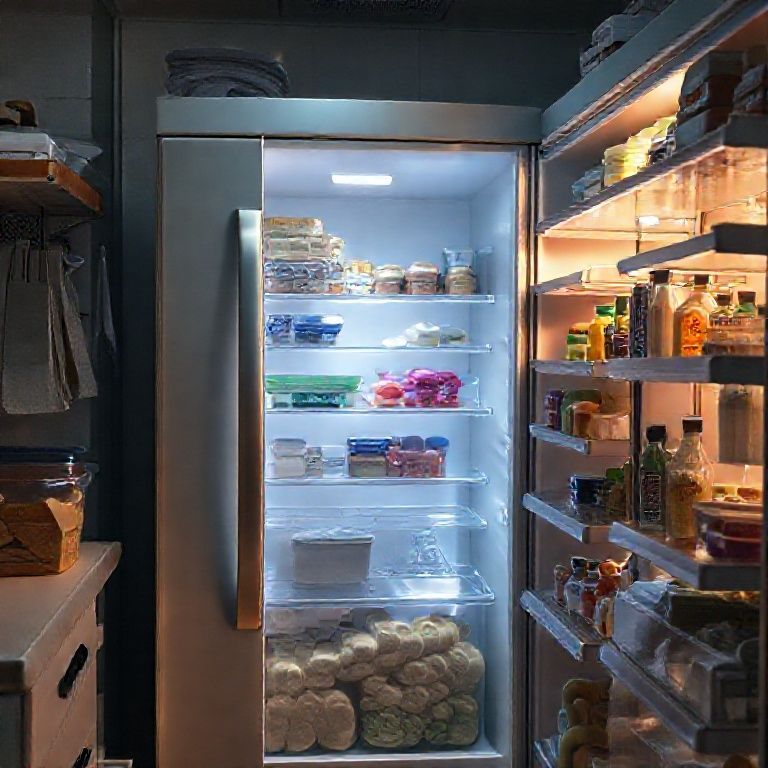
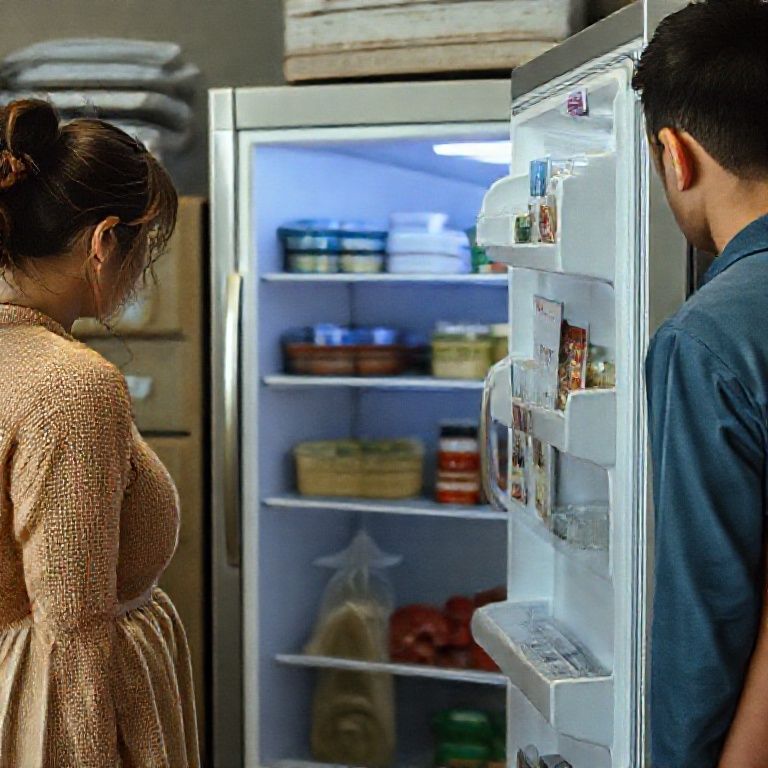
Conclusion
In establishing a fridge organization routine, it’s essential to strike a balance between efficiency and sustainability. By implementing simple habits such as regular cleaning, inventory management, and intentional food planning, you can significantly reduce food waste and create a more organized kitchen space. We encourage you to take the first step towards a clutter-free refrigerator by dedicating 10-15 minutes each week to your fridge organization routine. Start small, stay consistent, and reap the benefits of a healthier, more organized lifestyle.
Here are five concise FAQ pairs for a fridge organization routine:
Q: How often should I clean my fridge?
A: It’s recommended to clean your fridge every 1-2 months, depending on usage and personal preference.
Q: What is the best way to organize shelves in my fridge?
A: Arrange shelves based on frequency of use (e.g., most-used items at eye level, least-used items towards back).
Q: How can I keep my fridge organized with a busy schedule?
A: Set aside 10-15 minutes each week to tidy up and reorganize your fridge, maintaining a routine.
Q: What is the best way to store fruits and vegetables in my fridge?
A: Store fruits and veggies separately, keeping them away from strong-smelling foods like fish or onions. Use breathable containers or bags for optimal freshness.
Q: How can I prevent clutter in my fridge?
Here’s a short quiz for fridge organization:
Question 1: How often should you clean your fridge?
A) Every week
B) Every month
C) Every quarter
Show answer
Answer: B) Every month
Question 2: What is the best way to store raw meat, poultry, and seafood in the fridge?
A) In a covered container on the middle shelf
B) On the top shelf, away from other foods
C) In a sealed bag or container at the bottom of the fridge
Show answer
Answer: C) In a sealed bag or container at the bottom of the fridge
Question 3: How can you prevent expired food in your fridge?
A) By only buying fresh produce and meat
B) By labeling expiration dates on all food items
C) By throwing away old food every week
Show answer
Answer: B) By labeling expiration dates on all food items
Question 4: What is the best way to organize your fridge shelves?
A) To group similar foods together (e.g. dairy, meats)
B) To store everything in a single container or bin
C) To leave space between each item for easy access
Show answer
Answer: A) To group similar foods together (e.g. dairy, meats)



Well written! You have a gift for explaining things clearly.
I can’t thank you enough for this information. Keep up the good work!
I learned something new today. Thanks! Keep up the good work!
Well written! Brilliant explanation! Everything makes sense now.
The way you explain things is so easy to follow. Great post!
Brilliant explanation! Everything makes sense now. 😊