
Foundation Shade Matching: 13 Genius Tips for a Flawless Finish

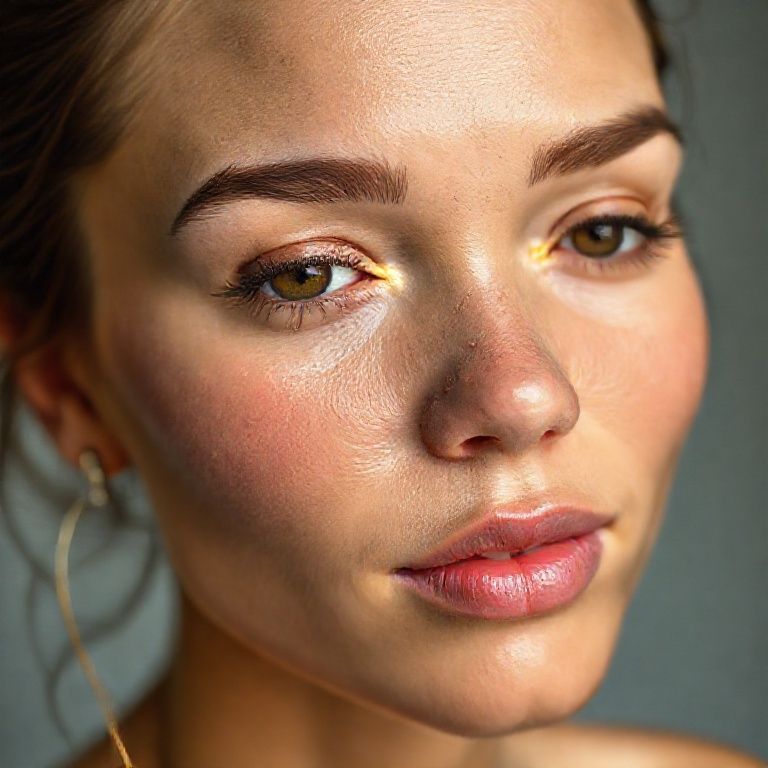
foundation shade matching
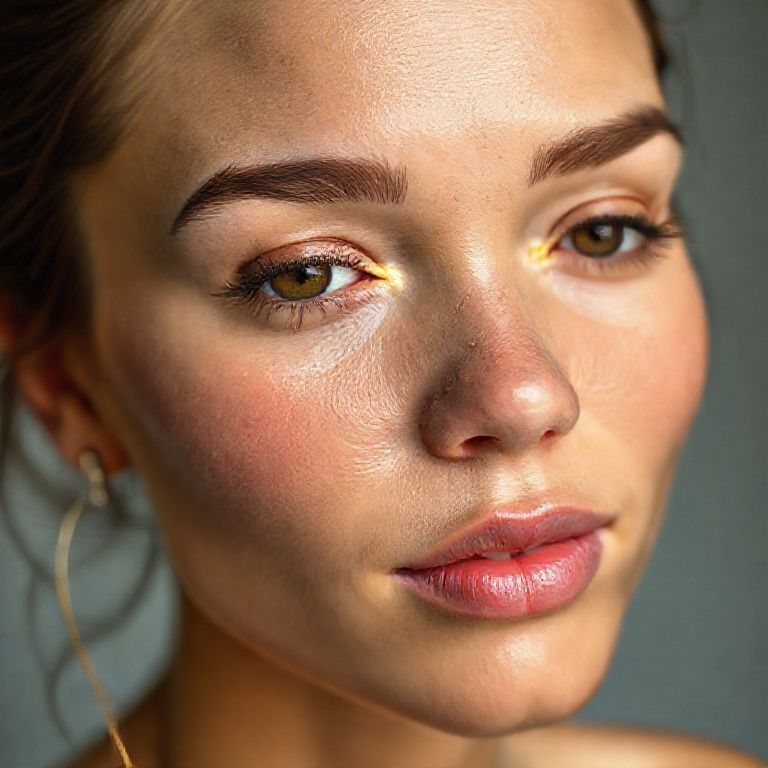
Introduction
Finding the perfect foundation shade can be a daunting task, especially for those with medium to dark skin tones who often struggle to find a match that complements their natural complexion. This is where foundation shade matching comes in – a crucial step in achieving a flawless and natural-looking base that enhances one’s features without looking artificial or cakey. By taking the time to get a accurate foundation shade match, individuals can say goodbye to uneven tones, sallowness, and an overall lack of coverage.
A good foundation shade match is not just about covering up blemishes and imperfections; it’s also about creating a seamless canvas that allows your skin tone to shine through. When done correctly, foundation shade matching can transform one’s complexion, making them look healthier, more radiant, and overall more confident in their own skin. However, getting the right shade requires more than just a quick glance at the color palette – it demands a thorough understanding of individual skin undertones, tones, and textures.
In this article, we’ll delve into the world of foundation shade matching, exploring the importance of finding an accurate match, the common pitfalls to avoid, and expert tips for getting the perfect shade. Whether you’re a seasoned makeup pro or a beginner looking to upgrade your skincare routine, our guide will provide you with the knowledge and tools necessary to find the ideal foundation shade that makes you feel like the best version of yourself.

Understanding Foundation Shade Matching
Finding the perfect foundation shade can be a daunting task for many individuals. With so many shades available in the market, it’s easy to get confused and end up with a foundation that looks unnatural on your skin. However, with some guidance and practice, you can master the art of foundation shade matching.
The Importance of Foundation Shade Matching
A well-matched foundation can make a significant difference in how polished and put-together you look. It can also boost your confidence and enhance your overall appearance. On the other hand, an ill-fitting foundation can lead to uneven coverage, cakey texture, and a general lack of naturalness.
Preparing for Foundation Shade Matching
Before you start searching for your perfect match, there are a few things you need to do:
1. Determine Your Skin Tone
Your skin tone is the first thing you need to consider when looking for a foundation shade. There are generally five skin tones: fair, medium, tan, olive, and dark. Understanding your skin tone will help you narrow down your options and find a shade that complements your complexion.
2. Assess Your Undertones
Your undertones refer to the natural color of your skin beneath the surface. Are you cool-toned (pale with pink undertones), warm-toned (olive or golden with yellow undertones), or neutral-toned (balanced with no strong undertones)? Knowing your undertones will help you choose a foundation that complements them.
Step-by-Step Foundation Shade Matching Guide
Now that you have an idea of your skin tone and undertones, it’s time to start searching for your perfect match. Here’s a step-by-step guide:
1. Choose a Foundation Range That Fits Your Skin Tone
Select a foundation range that matches your skin tone. If you’re unsure, ask for help from a makeup artist or skincare professional.
2. Test the Foundation on Your Jawline
Apply a small amount of foundation to your jawline and blend it well. This area is usually a good indicator of how the foundation will look on your face.
3. Check the Color in Different Lighting
Hold up the foundation against different lighting conditions, such as natural light, artificial light, or even a mirror with a built-in color corrector. Observe how the color looks on your skin and make any necessary adjustments.
4. Blend, Blend, Blend!
Once you’ve found a shade that you like, blend it well to ensure an even finish.
Conclusion
Foundation shade matching is an art that requires patience, practice, and self-awareness. By understanding your skin tone, undertones, and following these simple steps, you can find a foundation that makes you look and feel great.
For more information on finding the perfect foundation match, check out:
Anchor – “The Ultimate Guide to Finding Your Perfect Foundation Match”
Anchor – “How to Choose the Right Foundation Shade for Your Skin Tone”


Conclusion
In conclusion, finding the perfect foundation shade can be a game-changer for achieving a flawless and natural-looking complexion. However, it’s often a daunting task that requires patience and expertise. If you’re struggling to find your ideal match, we encourage you to take the next step by consulting with a professional makeup artist or visiting a reputable beauty counter at a department store. Don’t be afraid to ask questions and seek guidance – with the right expertise, you can unlock a world of flawless foundation shades that enhance your unique features and leave you feeling confident and beautiful.
Here are five concise FAQ pairs for foundation shade matching:
Q: What is the best way to find my perfect foundation match?
A: To find your perfect foundation match, start by testing out different shades on your jawline or neck, as these areas tend to be a closer color match to your skin tone.
Q: How do I determine my skin tone for foundation shade matching?
A: Your skin tone can be classified into three main categories: fair (pink undertones), medium (neutral undertones), and dark (yellow undertones). Look at the veins on the inside of your wrist to determine your undertone.
Q: Can I get a good match if I have a tan or self-tan?
A: Yes, you can still get a good foundation match even with a tan. However, it’s best to test out shades before getting a tan, and then re-test after the tan has faded.
Q: What if I’m between two foundation shades?
A: If you’re between two shades, try mixing them together or testing out a new shade that falls in between. You can also ask for help from a makeup artist or beauty expert who can provide guidance on finding your perfect match.
Q: How long does it take to find the right foundation match?
Here’s your foundation shade matching quiz:
Question 1: What is the primary factor to consider when determining your foundation shade?
A) Skin undertones
B) Hair color
C) Eye color
Show answer
Answer: A) Skin undertones
Question 2: Which of the following skin types is most likely to require a darker foundation shade?
A) Normal skin
B) Combination skin with a warm tone
C) Dry or sensitive skin with a cool tone
Show answer
Answer: C) Dry or sensitive skin with a cool tone
Question 3: When testing foundation shades, which area of the face should you use as a reference point?
A) Jawline
B) Cheekbones
C) Nasolabial fold
Show answer
Answer: B) Cheekbones
Question 4: What is the best way to determine if a foundation shade is right for you?
A) By looking at the color in the bottle
B) By comparing it to your skin tone on different parts of your face
C) By applying it and checking how it looks with your makeup routine
Show answer
Answer: B) By comparing it to your skin tone on different parts of your face


Thanks for sharing your expertise on this topic.
You’ve outdone yourself with this one! Keep up the good work!