
Foam Rolling Routine For Legs: 14 Irresistible Ways that Actually Work

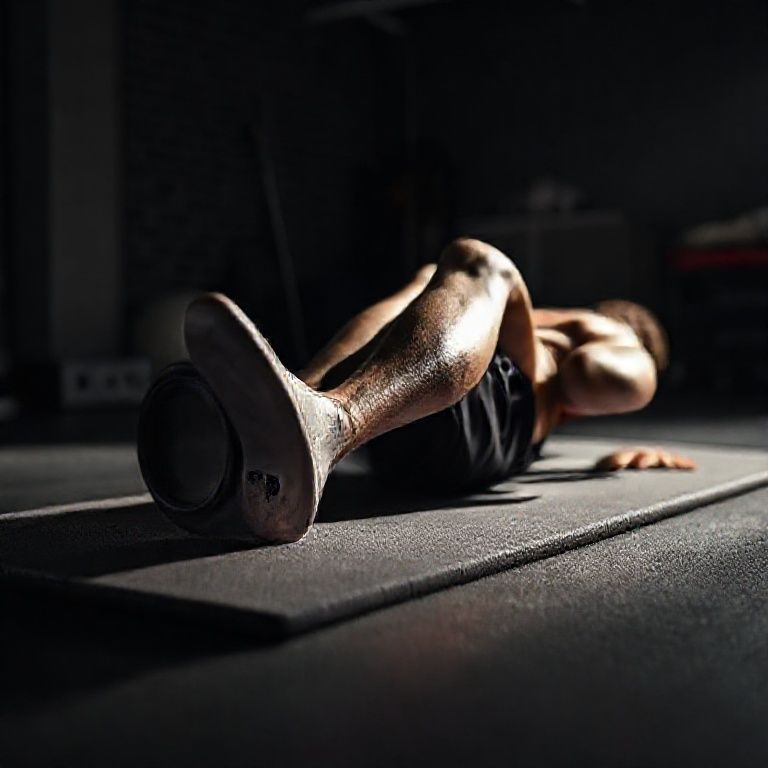
foam rolling routine for legs

Introduction
When it comes to maintaining optimal physical health and reducing muscle tension, many of us overlook one crucial area: our lower body. A well-rounded fitness routine often focuses on exercises for the upper body and core, but neglecting the muscles of our legs can lead to poor performance, decreased mobility, and increased risk of injury. Fortunately, incorporating a foam rolling routine into your leg care regimen can make all the difference.
Foam rolling has become an increasingly popular tool in self-myofascial release, allowing individuals to target specific areas of tension and promote relaxation and recovery. By targeting the legs with a consistent foam rolling routine, you can improve circulation, reduce muscle soreness, and enhance overall performance.
In this article, we’ll explore a comprehensive foam rolling routine for legs that addresses common areas of tension, such as the quadriceps, hamstrings, glutes, and calves. We’ll also provide guidance on how to incorporate foam rolling into your existing fitness routine, making it easy to start reaping the benefits of improved leg health and performance.
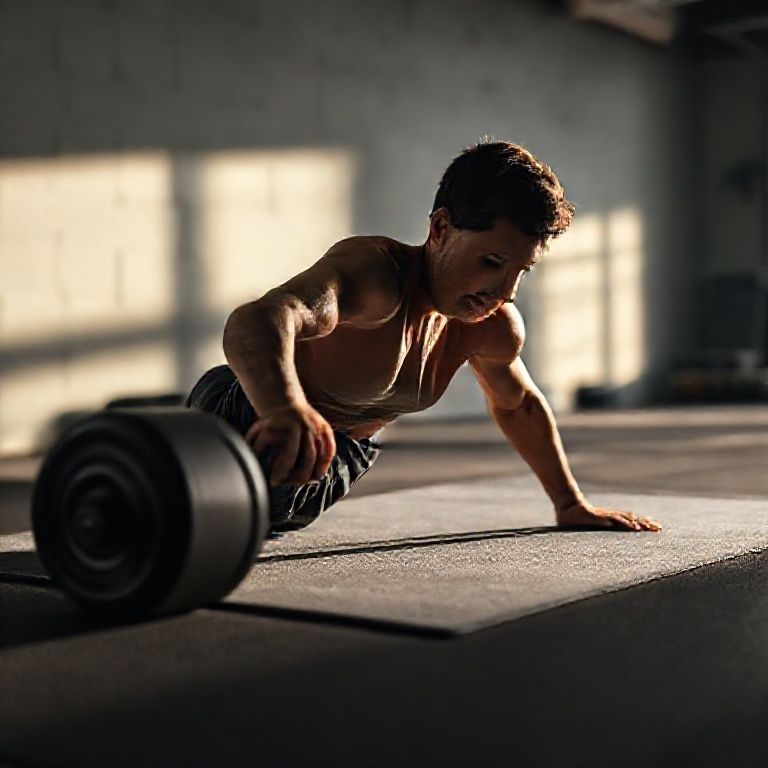
Foam Rolling Routine for Legs: a Step-by-Step Guide
Introduction
Foam rolling is a popular self-myofascial release technique used to relieve muscle tension and improve circulation in the legs. Regular foam rolling can help reduce muscle soreness, improve flexibility, and enhance overall athletic performance. In this article, we will provide a comprehensive guide on how to create an effective foam rolling routine for your legs.
Step 1: Preparation
Before starting your foam rolling routine, make sure you have the following:
A high-quality foam roller (preferably made of dense, thick material)
Comfortable clothing that allows for easy movement
A non-slip surface or mat to prevent slipping during use
Warm-Up and Stretching
Begin by warming up your legs with 5-10 minutes of light cardio, such as jogging in place or jumping jacks. This will increase blood flow and reduce muscle stiffness.
Step 2: Rolling Techniques
Use the following techniques to roll out specific areas of tension:
IT Band: Place the foam roller under your IT band (outer thigh) and slowly roll up towards your hip. Repeat for 3-5 sets, focusing on areas of tightness.
Quad: Position the foam roller under your quadriceps muscle and roll from the top down to the bottom. Repeat for 3-5 sets, targeting any areas of tension.
Hamstrings: Place the foam roller under your hamstrings (back thigh) and slowly roll up towards your glutes. Repeat for 3-5 sets, focusing on areas of tightness.
Step 3: Targeting Specific Muscle Groups
In addition to the general rolling techniques mentioned above, target specific muscle groups to address common issues:
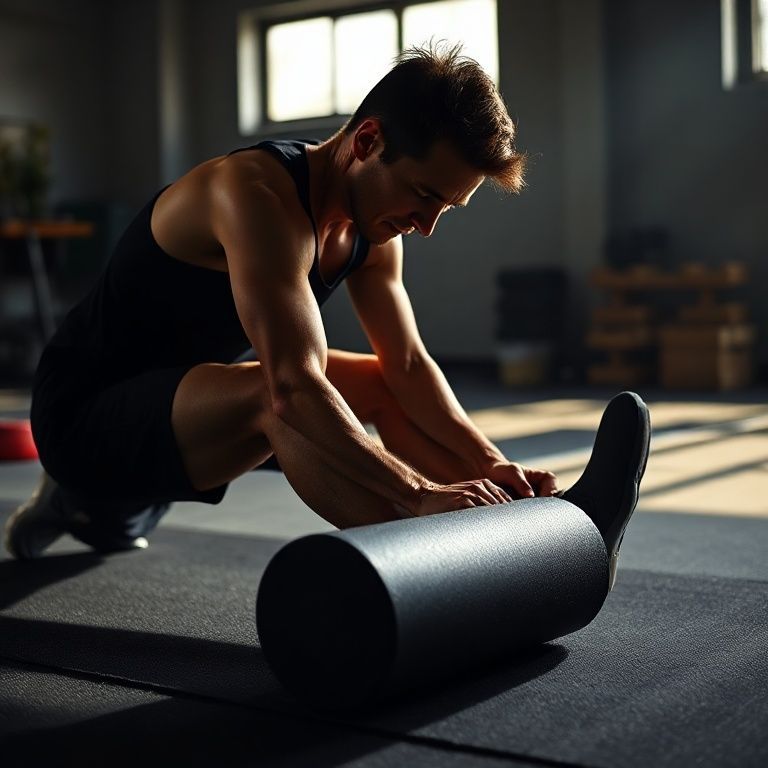
Calf Strain: Place the foam roller under your calf muscles and roll from the bottom up. Repeat for 3-5 sets, focusing on areas of tightness.
Glute Tension: Position the foam roller under your glutes and slowly roll outwards towards your hips. Repeat for 3-5 sets, targeting any areas of tension.
Step 4: Cooling Down
After completing your foam rolling routine, take a few minutes to cool down with static stretches:
Quad Stretch: Stand with one hand against a wall for balance and lift one leg behind you, keeping your knee straight. Hold for 15-30 seconds and repeat on the other side.
Hamstring Stretch: Sit on the floor with your legs straight out in front of you. Lean forward, reaching for your toes, and hold for 15-30 seconds.
Step 5: Maintenance and Progression
To maintain optimal results from your foam rolling routine:
Incorporate foam rolling into your regular exercise routine (2-3 times per week)
Gradually increase the intensity and duration of your sessions as you become more comfortable with the technique
Consider incorporating other self-myofascial release techniques, such as lacrosse ball or stick rolling, to target specific areas.
References:
1. American Council on Exercise (ACE). (n.d.). Foam Rolling: What It Is and How to Do It. Retrieved from <Acefitness
2. National Academy of Sports Medicine (NASM). (2019). Self-Myofascial Release Techniques. Retrieved from <Nasm

Conclusion
In incorporating a foam rolling routine into your leg care regimen, you can expect to experience improved circulation, reduced muscle soreness, and enhanced overall lower body functionality. By committing to a regular foam rolling practice, such as the one outlined above, you’ll be taking a proactive step towards achieving optimal leg health and performance. Start incorporating this simple yet effective technique into your daily routine today, and watch as your legs become stronger, more flexible, and better equipped to handle the demands of your active lifestyle.
Here are five concise FAQ pairs for a foam rolling routine for legs:
Q: What is the best time of day to incorporate foam rolling into my leg routine?
A: It’s recommended to foam roll your legs after a warm-up or workout, when your muscles are most relaxed and receptive to self-myofascial release.
Q: Do I need to use oil or lotion with my foam roller for better results?
A: While oil or lotion can help reduce friction and discomfort, it’s not necessary. Start with an empty foam roller and see how your body responds before adding any lubricant.
Q: How often should I foam roll my legs in a week?
A: Aim to foam roll your legs 2-3 times per week, focusing on specific areas such as the quadriceps, hamstrings, glutes, and calves.
Q: Can I use a foam roller for both warm-up and recovery phases of exercise?
A: Yes, you can use a foam roller for both phases. In fact, using it during your workout can help improve blood flow and reduce muscle tension, while post-workout foam rolling can aid in recovery and reduce soreness.
Q: Are there any areas on my legs that I should avoid foam rolling?
Here’s a short quiz for a foam rolling routine for legs:
Question 1: What is the primary benefit of using foam rolling on your calves?
A) Increased muscle mass
B) Improved circulation and reduced soreness
C) Enhanced athletic performance
Show answer
Answer: B
Question 2: Which part of the leg should you focus on when foam rolling to relieve tension in the quadriceps?
A) Hamstrings
B) Adductor magnus
C) Quadriceps
Show answer
Answer: C
Question 3: What is the recommended frequency for incorporating foam rolling into your leg routine?
A) Daily
B) 2-3 times per week
C) Weekly
Show answer
Answer: B
Question 4: Which of the following muscle groups in the lower legs should you avoid targeting with foam rolling, as they are more prone to injury?
A) Tibialis anterior
B) Peroneals
C) Calf muscles
Show answer
Answer: B




Your expertise really shows in this post. This was really helpful.
This is so useful! Bookmarking for future reference. This was really helpful.
Amazing content as always. Looking forward to more posts like this. 💯
So helpful and informative! 💯