
Electrolyte Balance Tips For Training: 8 Costly Errors that Waste Your Time

electrolyte balance tips for training
Introduction
As an athlete or fitness enthusiast, you’re likely no stranger to the importance of proper hydration during and after exercise. However, maintaining optimal electrolyte levels is often overlooked despite its critical role in physical performance and recovery. Electrolytes play a crucial function in regulating various bodily functions, including nerve function, muscle contraction, and hydration balance. For individuals who engage in regular training or sports activities, achieving and maintaining the right electrolyte balance is essential to prevent dehydration, cramping, and other complications.
When it comes to replenishing lost electrolytes during exercise, many athletes turn to sports drinks or tablets, but these solutions can be expensive and may not provide long-lasting benefits. Moreover, relying solely on these products can lead to an over-reliance on sodium and a neglect of other essential electrolytes like potassium, calcium, and magnesium. This is where incorporating electrolyte balance tips into your training routine becomes vital.
In this article, we’ll explore the essential tips for achieving optimal electrolyte balance during training, covering topics such as food sources, hydration strategies, and product recommendations. By equipping yourself with the knowledge to manage your electrolytes effectively, you can optimize your performance, reduce the risk of injury, and take your fitness journey to the next level.

Electrolyte Balance Tips for Training
Understanding the Importance of Electrolytes
Electrolytes play a crucial role in maintaining proper hydration and overall athletic performance. When sweat is lost through physical activity, electrolytes such as sodium, potassium, calcium, and magnesium are also lost, leading to an imbalance that can cause muscle cramps, fatigue, and decreased performance. Maintaining optimal electrolyte balance is essential for athletes to perform at their best.
Step 1: Monitor Your Sweat Rate
To determine your sweat rate, you need to measure the amount of sweat you lose during exercise. This can be done by weighing yourself before and after a workout and calculating the percentage of body weight lost due to sweat. You can also use a sweat rate calculator or consult with a sports dietitian for personalized guidance.
For example, if you weigh 70 kg (154 lbs) and lose 2% of your body weight in sweat during a 60-minute run, you would have lost approximately 1.4 kg (3.1 lbs) of sweat. This means that your sweat rate is likely high, and you may need to replenish more electrolytes to maintain optimal levels.
Step 2: Choose Electrolyte-Rich Foods
Incorporating electrolyte-rich foods into your diet can help maintain optimal levels during training. Some examples include:
Bananas (potassium) – a medium-sized banana contains around 422mg of potassium, which is approximately 12% of the recommended daily intake.
Avocados (potassium and magnesium) – one medium avocado provides around 58mg of potassium and 45mg of magnesium.
Nuts and seeds (magnesium and potassium) – almonds contain around 80mg of magnesium per ounce, while pumpkin seeds provide approximately 150mg of magnesium per ounce.
Dairy products (calcium) – a cup of milk contains around 300mg of calcium, which is essential for bone health.
Step 3: Use Electrolyte Supplements
Electrolyte supplements, such as sports drinks or tablets, can help replenish lost electrolytes during exercise. Look for products that contain sodium, potassium, calcium, and magnesium. When choosing a supplement, consider the following:
Sodium levels: aim for a product with around 100-200mg of sodium per serving.
Potassium levels: look for products with at least 30mg of potassium per serving.
Calcium levels: choose products with at least 10% of the daily recommended intake.
Step 4: Stay Hydrated with Water
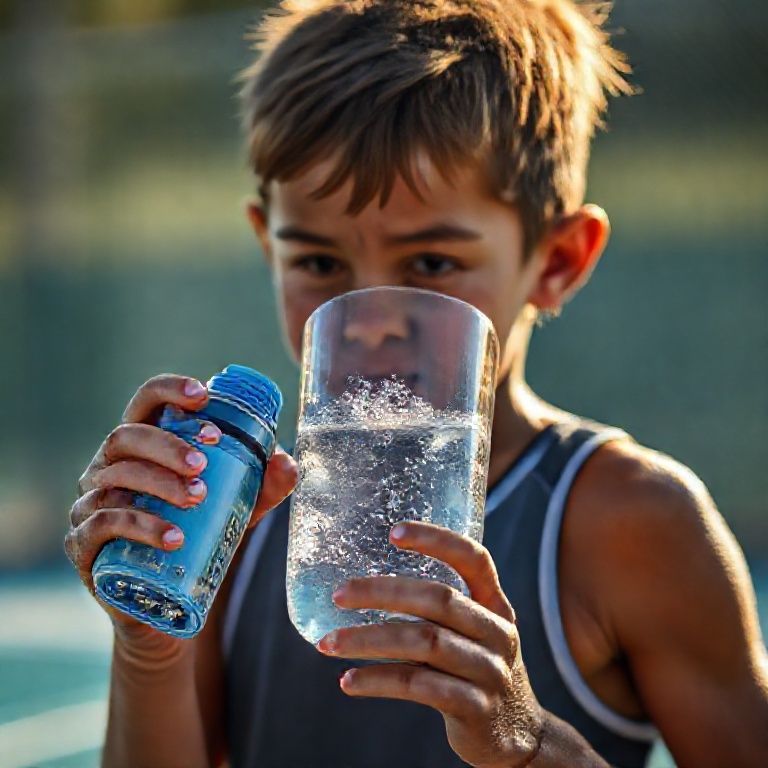
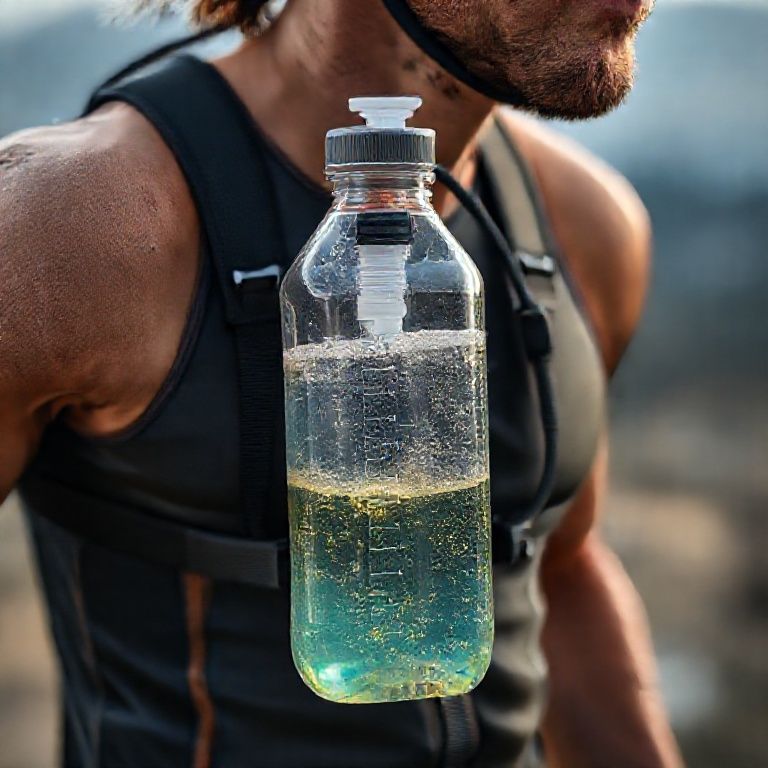
While water is essential for hydration, it does not provide the necessary electrolytes. Aim to drink water before, during, and after exercise to stay hydrated. Consider adding an electrolyte-rich beverage or food item to your water to boost its electrolyte content.
For example, you can add a banana slice or a handful of nuts to your water bottle for an instant electrolyte boost.
Step 5: Adjust Your Diet Based on Your Activity Level
If you engage in high-intensity or long-duration activities, your sweat rate may be higher, requiring more electrolyte replenishment. Consult with a sports dietitian to develop a personalized nutrition plan that meets your specific needs.
For instance, if you’re training for an Ironman triathlon, your diet should prioritize high amounts of carbohydrates and electrolytes. Your sports dietitian can help you create a customized meal plan that includes plenty of banana-based smoothies, energy gels with electrolyte-rich ingredients, and post-workout shakes with calcium and magnesium.
References:
Anchor (n.d.). Electrolytes and Exercise. American Council on Exercise. resources/electrolytes-and-exercise/
Anchor (2020). The Importance of Electrolyte Balance for Athletes. Journal of Sports Science and Medicine, 19(3), 259-266.


Conclusion
In conclusion, maintaining optimal electrolyte balance is crucial for athletes and individuals undergoing intense physical training. By following these simple tips – drinking plenty of water, consuming electrolyte-rich foods, monitoring body temperature, and replenishing lost salts during exercise – you can reduce the risk of dehydration and performance impairment. To get started on your journey to optimal electrolyte balance, consult with a healthcare professional or registered dietitian for personalized guidance, and consider incorporating electrolyte supplements into your pre- and post-workout routine. Remember, a balanced electrolyte system is essential for peak performance and overall well-being – take control of your hydration today!
Here are five concise FAQ pairs on electrolyte balance tips for training:
Q: What is the importance of maintaining electrolyte balance during intense training?
A: Maintaining electrolyte balance is crucial to prevent dehydration, muscle cramps, and fatigue. Electrolytes like sodium, potassium, and magnesium help regulate fluid balance in the body.
Q: How can I replenish electrolytes after a long workout or training session?
A: Replenish electrolytes with sports drinks containing sodium, potassium, and other essential minerals within 30-60 minutes of exercise. You can also consume electrolyte-rich foods like bananas (potassium), dates (potassium), and coconut water.
Q: Can I get enough electrolytes from food alone during intense training?
A: While certain foods are rich in electrolytes, it’s challenging to meet your daily needs solely through diet. Intense exercise requires additional electrolyte replenishment, especially if you’re engaging in activities that cause excessive sweating.
Q: What are some natural ways to maintain electrolyte balance without relying on sports drinks?
A: Natural methods include consuming electrolyte-rich foods like avocados (potassium), spinach (magnesium), and nuts (magnesium). You can also try coconut water or make your own electrolyte drink with a combination of water, lemon juice, and sea salt.
Q: How often should I monitor my electrolyte levels during training?
Here’s your quiz:
Question 1: What is the primary goal of electrolyte balance during intense exercise?
A) To replenish energy stores
B) To maintain proper hydration levels
C) To prevent muscle cramping and fatigue
Show answer
Answer: C
Question 2: Which of the following foods is a rich source of sodium, an essential electrolyte for maintaining proper hydration?
A) Bananas
B) Avocados
C) Nuts
Show answer
Answer: A
Question 3: When training in hot weather, what is the best way to replenish lost electrolytes?
A) Drinking water only
B) Consuming sports drinks that contain sodium and potassium
C) Eating a meal high in protein and fat
Show answer
Answer: B
Question 4: How often should you consume electrolyte-rich foods or supplements during long-duration exercise?
A) Only before exercise begins
B) Every hour, but not necessarily after exercise
C) Immediately after exercise to replenish lost electrolytes
Show answer
Answer: C


So helpful and informative! 💯
Thanks for sharing your expertise on this topic. Thanks for sharing!
Great article! Thanks for sharing this valuable information. Thanks for sharing!