
Eco Friendly Clothing: 11 Deal‑Breakers you’re Probably Doing Wrong

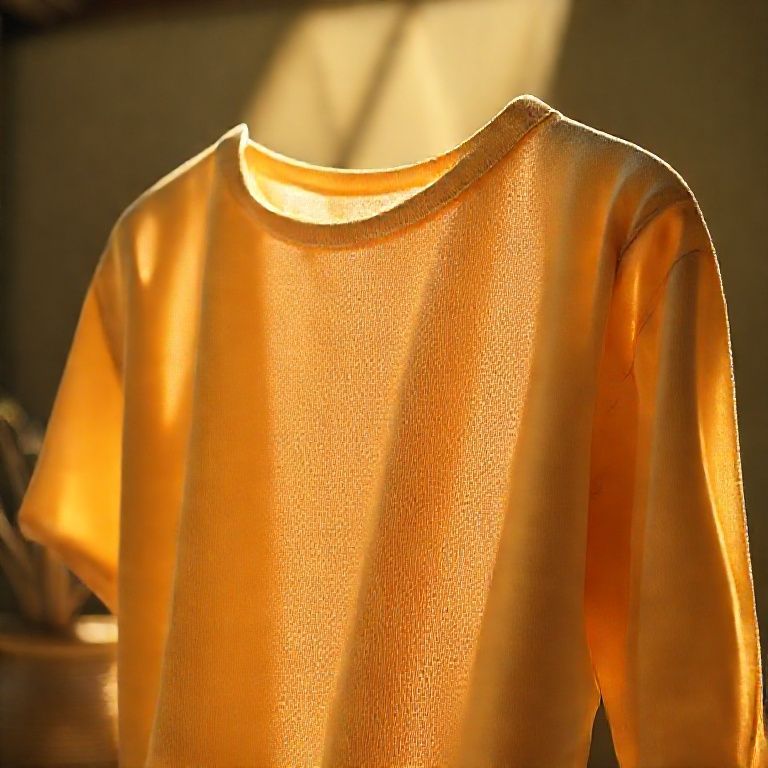
eco friendly clothing
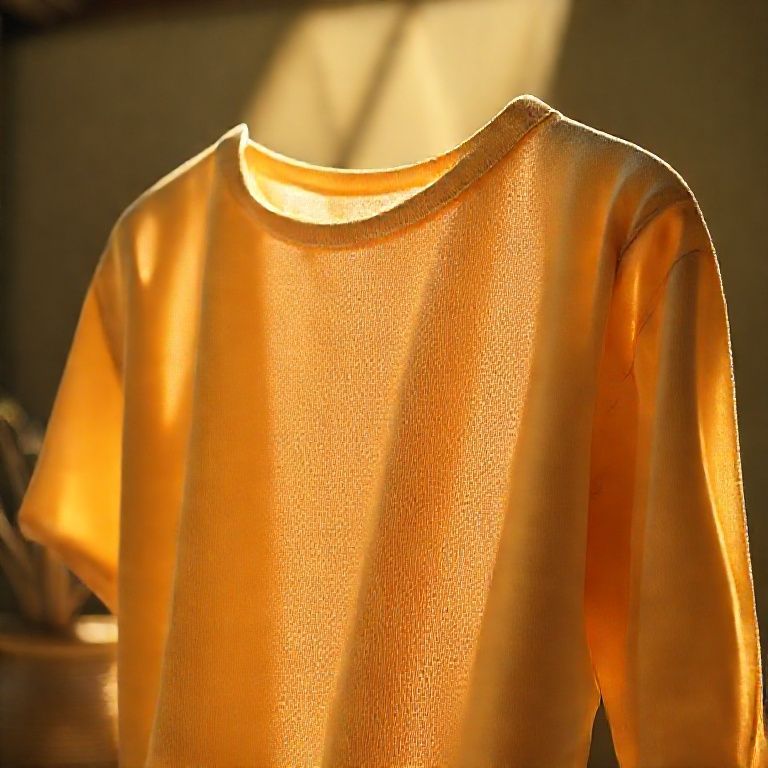
Introduction
As consumers become increasingly aware of the impact their purchasing decisions have on the environment, the demand for eco-friendly clothing has never been greater. The fashion industry is one of the largest polluters in the world, with fast fashion’s “take, make, dispose” approach contributing to staggering amounts of waste and carbon emissions. However, there is a growing movement towards sustainable fashion, driven by consumers who want to look good without harming the planet.
At the heart of this movement are eco-friendly clothing brands that prioritize environmentally friendly materials, production methods, and end-of-life solutions. These brands are redefining the way we think about fashion, from using recycled polyester and organic cotton to designing garments that can be repaired, reused, or biodegrade at the end of their life cycle.
In this article, we’ll explore the world of eco-friendly clothing, examining the latest trends, innovations, and brands leading the charge towards a more sustainable fashion industry. We’ll delve into the benefits of switching to eco-friendly clothes, from reducing your carbon footprint to supporting responsible supply chains. Whether you’re a seasoned sustainability advocate or just starting to make the switch, this article will provide valuable insights and practical advice on how to incorporate eco-friendly clothing into your wardrobe.
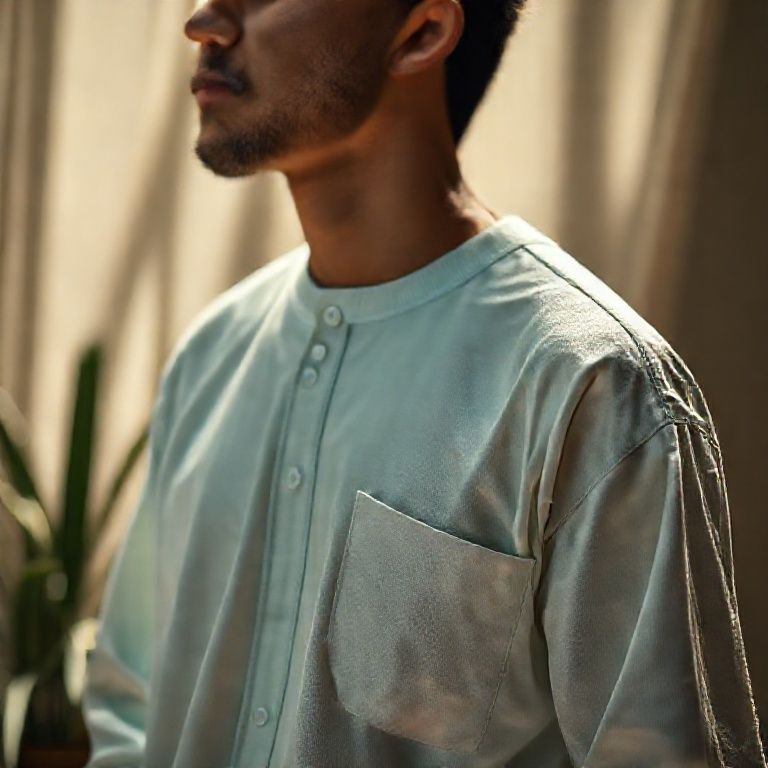
The Benefits of Eco Friendly Clothing
Eco-friendly clothing has become a growing trend in recent years, and for good reason. Not only is it better for the environment, but it can also be more comfortable and stylish than traditional clothing.
Sustainable Materials
One of the key features of eco-friendly clothing is the use of sustainable materials. These materials are sourced from environmentally friendly suppliers and are designed to minimize waste and reduce carbon emissions. Some popular sustainable materials include organic cotton, recycled polyester, and Tencel.
For example, Patagonia uses recycled polyester in many of their products, which reduces the amount of waste sent to landfills. Similarly, Reformation uses organic cotton in some of their dresses, reducing the environmental impact of traditional cotton farming. Additionally, H&M’s Conscious Collection features garments made from sustainable materials such as organic cotton, recycled polyester, and Tencel.
Designing for Sustainability
In addition to using sustainable materials, eco-friendly clothing also prioritizes design for sustainability. This means designing products that are durable and long-lasting, rather than fast-fashion items that are worn once or twice before being discarded.
For instance, Everlane designs their jeans to be repairable, reducing the need for frequent purchases of new clothes. They also prioritize transparency in their supply chain, ensuring that workers are paid fair wages and treated with respect. Similarly, People Tree uses sustainable materials and fair trade practices to create clothing that is not only eco-friendly but also socially responsible.
Practical Tips for Shopping Eco Friendly
So how can you incorporate eco-friendly clothing into your wardrobe? Here are a few practical tips:
Choosing Eco-Friendly Brands
When shopping for eco-friendly clothing, look for brands that prioritize sustainability. Check the brand’s website or social media to see if they have any information on their environmental impact. Some popular eco-friendly brands include Patagonia, Reformation, and People Tree.
Second-Hand Shopping
Second-hand shopping is another great way to reduce your carbon footprint. Thrift stores and online marketplaces like ThredUp make it easy to find gently used clothes without contributing to fast fashion. You can also consider swapping or renting clothing with friends or family members.
Care Instructions
Finally, be sure to follow the care instructions for your new eco-friendly clothes. This can help extend their lifespan and prevent them from ending up in landfills prematurely. For example, washing organic cotton garments in cold water and line-drying them can help preserve their quality and reduce waste.
The Impact of Fast Fashion
Fast fashion has a significant impact on the environment, with the textile industry being one of the largest polluters in the world. The production and distribution of fast fashion clothing requires massive amounts of energy, water, and chemicals, resulting in greenhouse gas emissions, water pollution, and soil degradation.
By choosing eco-friendly clothing, consumers can help reduce their carbon footprint and support sustainable fashion practices. Additionally, many brands are now offering take-back programs or recycling initiatives for old clothes, making it easier to recycle and reuse garments.
The Economic Benefits of Sustainable Fashion
Sustainable fashion not only benefits the environment but also has economic benefits for consumers. By investing in high-quality, eco-friendly clothing, consumers can reduce their spending on fast fashion and save money in the long run. Additionally, sustainable fashion brands are often priced higher than traditional fast-fashion brands, providing a more transparent and equitable business model.
By prioritizing sustainability in fashion, we can create a more circular economy that benefits both people and the planet.
Eco-Friendly Clothing
Eco-friendly clothing is made from sustainable materials and produced using environmentally responsible methods. Here are some steps to make eco-friendly clothing:
Choosing Eco-Friendly Fabrics
Natural Fibers
Natural fibers such as cotton, linen, and hemp are biodegradable and require less water and pesticides compared to synthetic fibers.
Choose organic cotton for a more sustainable option.
Linen is a great alternative to cotton, but it can be expensive.
Hemp fabric has several benefits, including being UV-resistant and having excellent insulation properties.
Sustainable Materials
Recycled Materials
Using recycled materials in clothing production reduces waste and conserves natural resources. Consider using:
Recycled polyester or nylon for outerwear and activewear.
Repurposed textiles from old clothes to create new, unique pieces.
Production Methods
Zero-Waste Design
Designing garments with zero-waste in mind means creating patterns that produce minimal or no waste during production. This approach encourages creativity and reduces fabric scraps.
Use digital pattern-making tools to minimize fabric waste.
Consider using second-hand materials for prototypes before producing new fabrics.
Sustainable Textile Finishing
Eco-Friendly Dyes
Using eco-friendly dyes instead of synthetic dyes can significantly reduce environmental impact.
Choose natural dyes such as indigo, madder, or pomegranate.
Opt for low-impact dyeing methods like hand-painting or shibori techniques.
Care Instructions
Sustainable Washing Methods
Follow care instructions to extend the life of your eco-friendly clothing:
Wash clothes in cold water whenever possible.
Avoid using fabric softener or bleach, which can harm the environment and reduce fabric quality.
Repair and Upcycle
Mending Garments
Mending garments instead of discarding them reduces waste and conserves resources.
Learn basic repair techniques like sewing on buttons or fixing tears.
Consider upcycling old clothes into new items, such as turning an old t-shirt into a reusable bag.

Conclusion
As we move forward in our pursuit of sustainability and environmental responsibility, it’s clear that eco-friendly clothing is an essential step towards reducing our ecological footprint. By making conscious choices when it comes to the clothes we wear, we can significantly impact the demand for fast fashion and promote a more sustainable fashion industry.
We urge you to join us in adopting eco-friendly clothing practices. Start by examining your existing wardrobe and considering the environmental impact of each garment. Invest in second-hand or sustainable clothing options, and support brands that prioritize environmentally friendly production methods. Together, we can create a shift towards a more conscious and responsible approach to fashion, one outfit at a time.
Here are five concise FAQ pairs for “eco-friendly clothing”:
Q: What is eco-friendly clothing?
A: Eco-friendly clothing refers to garments made from sustainable materials, produced using environmentally responsible methods, and designed to minimize waste and reduce the brand’s carbon footprint.
Q: What are some common eco-friendly materials used in clothing?
A: Common eco-friendly materials include organic cotton, recycled polyester, Tencel, hemp, and bamboo. These materials require less water, pesticides, and energy to produce than traditional materials.
Q: How can I care for my eco-friendly clothes to extend their lifespan?
A: To extend the life of your eco-friendly clothes, wash them in cold water, line dry, and avoid over-drying. You can also consider hand-washing or spot cleaning certain items to minimize wear and tear.
Q: Are eco-friendly clothing brands more expensive than traditional brands?
A: While some eco-friendly clothing brands may be pricier, many offer affordable options as well. Additionally, investing in a few high-quality, sustainable pieces can be more cost-effective in the long run due to their durability and reduced need for frequent replacements.
Q: Can I still wear second-hand or thrifted clothes that are labeled as “eco-friendly”?
Here’s your eco-friendly clothing quiz:
Question 1: What is the primary benefit of choosing organic cotton over conventional cotton?
A) It’s cheaper
B) It’s softer and more durable
C) It has lower environmental impact
Show answer
Answer: C
Question 2: Which type of fabric is known for its biodegradability and natural, breathable properties?
A) Polyester
B) Nylon
C) Bamboo
Show answer
Answer: C
Question 3: What happens to the water used in the dyeing process when choosing eco-friendly clothing made from natural dyes?
A) It’s released into the environment without treatment
B) It’s treated with chemicals to remove excess dye
C) It’s recycled and reused for other purposes
Show answer
Answer: C
Question 4: Which of the following is a common practice among fashion brands to reduce waste in their production process?
A) Producing new designs every season
B) Using leftover fabric to create new items
C) Selling products at full price without considering second-hand sales
Show answer
Answer: B







Thank you for this detailed explanation. Much appreciated! Keep up the good work!
Excellent post! I learned something new today. This was really helpful.
Thanks for this post. This really helped me understand the concept better.
I enjoyed reading this. Your expertise really shows in this post.
Thanks for this post. Your insights are always spot-on.