
Digital Twins Explained For Non Engineers: Red Flags to Ditch for Good


digital twins explained for non engineers
Introduction
In today’s fast-paced world of technology, complex systems and processes are becoming increasingly interconnected. As a result, businesses and organizations are seeking innovative ways to improve efficiency, reduce costs, and enhance decision-making capabilities. One promising approach is the concept of digital twins – but what exactly do they entail? For many, the term may evoke images of sci-fi fiction or futuristic fantasies, leaving them wondering if it’s something that can be applied in their daily lives.
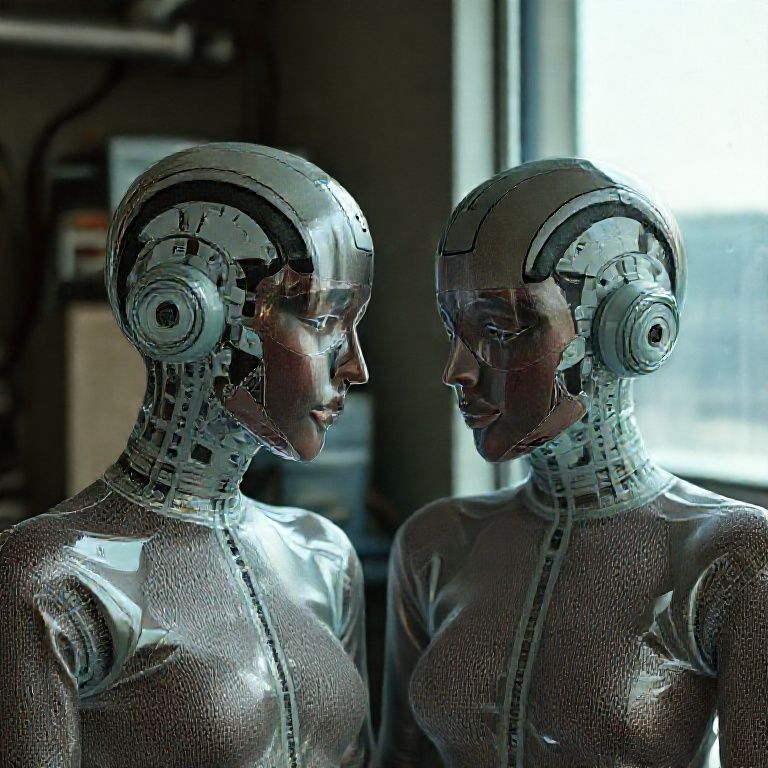
In reality, digital twins are virtual replicas of physical systems, processes, and organizations. They’re created using data analytics and machine learning algorithms to mimic the behavior of a real-world entity, allowing for predictive modeling, simulation, and optimization. By leveraging digital twins, organizations can gain valuable insights into their operations, identify potential issues before they arise, and make data-driven decisions that drive growth.
In this article, we’ll delve into the world of digital twins, exploring what they are, how they’re created, and their practical applications in various industries. We’ll also address common misconceptions and myths surrounding digital twins, providing a clear understanding of this technology for those who may not have a technical background. Whether you’re an entrepreneur, business leader, or simply curious about the future of innovation, our goal is to demystify the concept of digital twins and show you how it can be applied in your own life and work.

What Are Digital Twins?
A digital twin is a virtual replica of a physical object, system, or process. It’s a software representation that mirrors the characteristics and behavior of its real-world counterpart. Think of it as a 3D model of your favorite car, where you can explore its features, test its performance, and analyze its data without actually owning or operating the vehicle.
How Are Digital Twins Created?
Creating a digital twin requires several steps:
Step 1: Data Collection
Gather data about the physical object or system being replicated. This can include information such as:
Design specifications (e.g., blueprint files)
Material properties (e.g., density, strength)
Operational parameters (e.g., temperature ranges, pressure limits)
For example, a company building a new skyscraper might collect data on its structural integrity, energy efficiency, and safety features.
Step 2: Modeling
Use specialized software to create a detailed digital model of the physical object or system. This model should accurately reflect its geometry, materials, and behavior.
Computer-Aided Design (CAD) tools are used to create the initial design
Finite Element Analysis (FEA) simulations are used to analyze stress, strain, and other structural properties
For instance, an aerospace engineer might use software like CATIA or ANSYS to model the aerodynamics of a new aircraft wing.
Step 3: Simulation
Run simulations on the digital twin to test its performance under various conditions. This can help identify potential issues and optimize its design.
Dynamic simulations are used to analyze how the system responds to external forces (e.g., wind, vibrations)
Life Cycle Assessment (LCA) simulations are used to evaluate the environmental impact of the system over time
For example, a manufacturing company might use simulation software like Simul8 or AnyLogic to model production workflows and optimize their supply chain.
What Are the Benefits of Digital Twins?
Digital twins offer several advantages over traditional physical prototypes:
Improved Safety
By analyzing data from multiple sources, digital twins can identify potential safety risks and alert users to take corrective action.
Real-time monitoring allows for quick response to safety incidents or equipment failures
Predictive analytics help prevent accidents by identifying high-risk scenarios
For instance, a hospital might use digital twins to monitor the performance of medical equipment and alert staff to potential issues before they become critical.
Increased Efficiency
Digital twins enable real-time monitoring and optimization of complex systems, reducing downtime and improving overall performance.
Condition-based maintenance reduces the need for routine inspections and repairs
Advanced analytics help optimize system performance, leading to cost savings and increased productivity
For example, a utility company might use digital twins to monitor the performance of its power grid in real-time, allowing them to quickly respond to changes in demand or weather patterns.
Enhanced Decision Making
Access to detailed data and simulation results allows users to make more informed decisions about their physical objects or systems.
Data analytics help identify trends and patterns that inform business strategy
Simulation results provide a safe space for experimentation and testing new ideas
For instance, an automotive manufacturer might use digital twins to analyze the performance of its latest model under various driving conditions, helping them optimize fuel efficiency and safety features.
Real-World Applications
Digital twins are being used in various industries, including:
Manufacturing (e.g., Siemens’ MindSphere platform)
Healthcare (e.g., IBM’s Watson Health)
Energy and Utilities (e.g., GE Digital’s Predix platform)
These applications demonstrate the potential of digital twin technology to transform complex systems and improve decision making.
Conclusion
Digital twins are an exciting technology that’s transforming various industries. By understanding how they work and their benefits, you can start exploring the possibilities of digital twin technology for yourself. Whether you’re a business owner, engineer, or simply curious about innovation, digital twins offer a fascinating glimpse into the future of engineering and design.


Conclusion
In conclusion, digital twins are virtual replicas of physical entities that mimic their behavior, performance, and characteristics. They have the potential to revolutionize various industries by enabling predictive maintenance, optimizing operations, and reducing costs. However, understanding digital twins can be complex for non-engineers.
If you’re interested in learning more about digital twins and how they can benefit your organization, we encourage you to explore further resources such as online courses, webinars, or industry reports. Additionally, consider reaching out to experts in the field or attending conferences to gain a deeper understanding of this innovative technology. By embracing the power of digital twins, you can unlock new opportunities for growth and improvement.
Here are five concise FAQ pairs for “Digital Twins Explained for Non-Engineers”:
Q: What is a digital twin?
A: A digital twin is a virtual replica of a physical object, system, or process that mimics its behavior and performance in real-time.
Q: Why do companies create digital twins?
A: Companies create digital twins to analyze and optimize their physical assets, predict maintenance needs, and improve overall efficiency before any physical changes are made.
Q: How accurate is the data used for digital twins?
A: The accuracy of the data depends on how well it’s collected, processed, and integrated. High-quality sensor data and real-time updates ensure a more accurate representation of the physical twin.
Q: Can digital twins be used in industries other than manufacturing?
A: Yes, digital twins can be applied to various sectors, including healthcare, transportation, energy, and construction, where simulating and optimizing complex systems and processes is crucial.
Q: What benefits do companies gain from using digital twins?
Here’s a short quiz on digital twins for non-engineers:
Question 1: What is the primary purpose of creating a digital twin?
A) To analyze historical data
B) To simulate real-world scenarios and predict future outcomes
C) To create a virtual replica of a physical object
Show answer
Answer: B) To simulate real-world scenarios and predict future outcomes
Question 2: Which of the following best describes what happens to a digital twin when it is updated with new data?
A) The digital twin becomes less accurate
B) The digital twin remains the same
C) The digital twin becomes more accurate and reflective of the physical object’s current state
Show answer
Answer: C) The digital twin becomes more accurate and reflective of the physical object’s current state
Question 3: What type of data is typically used to create a digital twin?
A) Sensor data from IoT devices
B) Historical data from past experiments
C) All of the above
Show answer
Answer: C) All of the above
Question 4: What benefit can be gained by using digital twins in industries such as manufacturing and healthcare?
A) Increased energy consumption
B) Improved safety and reduced costs through predictive maintenance and optimized resource allocation
C) Reduced product quality
Show answer
Answer: B) Improved safety and reduced costs through predictive maintenance and optimized resource allocation



This is so useful! bookmarking for future reference.
Thank you for taking the time to write this!
I love how you break down complex topics. 👍
Interesting perspective. This opened my eyes to a new way of thinking.
You explained this so clearly. Thank you! Looking forward to more content like this.
Thank you for the comprehensive breakdown.