
Desk Stretch Routine Shoulders: 9 Next‑Level Hacks for a Balanced Routine


desk stretch routine shoulders

Introduction
As we spend more time at our desks, it’s easy to neglect one of the most crucial areas of our body: our shoulders. Prolonged sitting and typing can lead to a range of issues, from mild discomfort to chronic pain and even long-term damage. A simple yet effective way to combat this is by incorporating a desk stretch routine into your daily work habits.
A well-designed desk stretch routine for shoulders should include a series of gentle exercises that target the muscles in this critical area. By loosening up tight shoulder muscles, you can reduce the risk of injury, improve your posture, and even boost your overall productivity. Whether you’re a computer user, office worker, or simply someone who spends a lot of time at their desk, incorporating these stretches into your daily routine can have a significant impact on your well-being.
In this article, we’ll explore the benefits of a desk stretch routine for shoulders, including how to identify common shoulder problems, the best exercises to try, and tips for making these stretches a regular part of your workday. By following our guide, you’ll be able to say goodbye to stiff shoulders and hello to a healthier, more comfortable working self.

Desk Stretch Routine for Shoulders: a Step-by-Step Guide
Importance of Desk Stretches for Shoulder Health
Poor posture and repetitive strain injuries can lead to shoulder discomfort and pain, especially for individuals who spend long hours sitting at their desks. A well-designed desk stretch routine can help alleviate these issues by improving flexibility and reducing muscle tension in the shoulders.
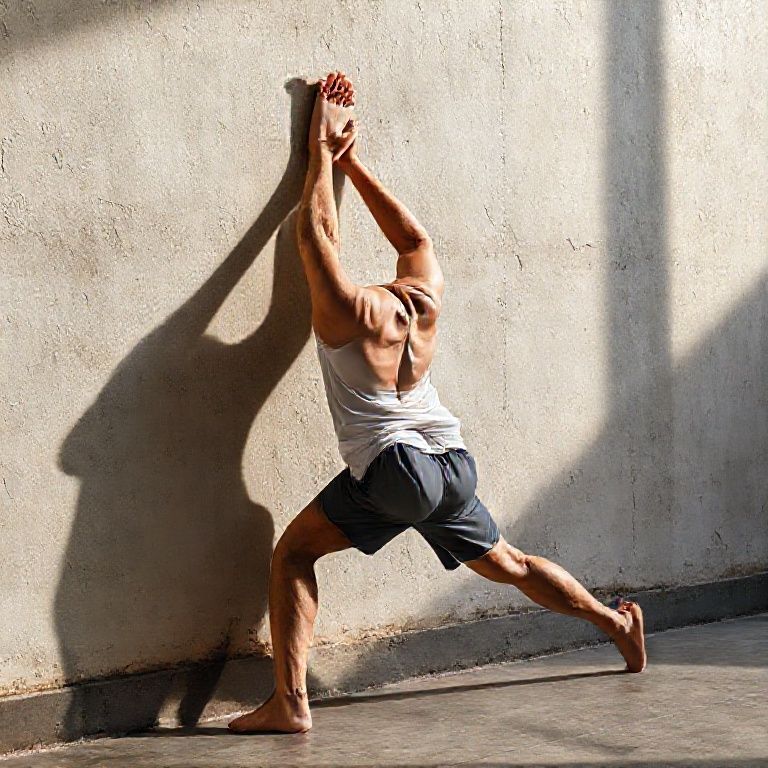
Step 1: Chest Stretch (Wall Slide)
Targeting the Pectoral Muscles
1. Stand with your feet shoulder-width apart and place your hands on a wall at shoulder height.
2. Slowly slide your hands up the wall, keeping your arms straight, until you feel a stretch in your chest and shoulders.
3. Focus on stretching the pectoral muscles, which run from the chest to the armpits.
Step 2: Shoulder Rolls
Relaxing the Shoulders with Simple Rolling
1. Roll your shoulders forward and backward in a circular motion, repeating for 10-15 repetitions.
2. Repeat this process several times to loosen up any tension in the shoulder muscles.
3. Pay attention to your scapulae (shoulder blades) as you roll, ensuring they remain down and away from your spine.
Step 3: Arm Circles
Expanding Your Range of Motion
1. Hold your arms straight out to the sides at shoulder height.
2. Make small circles with your hands for 5-10 repetitions, first clockwise and then counterclockwise.
3. Gradually increase the size of the circles as you become more comfortable.
4. Focus on keeping your shoulders down and away from your ears.
Step 4: Shoulder Blade Squeeze
Strengthening Your Core for Better Posture
1. Sit or stand up straight with your shoulders back and down.
2. Squeeze your shoulder blades together, holding for 5-10 seconds.
3. Release and repeat for 10-15 repetitions.
4. Repeat this exercise regularly to strengthen your core muscles.
Step 5: Arm Across the Chest
Targeting the Tendons and Rotator Cuff
1. Hold one arm straight out to the side at shoulder height.
2. Use your other arm to pull your hand toward your opposite shoulder, stretching the tendons and rotator cuff.
3. Hold for 30 seconds and repeat on the other side.
Step 6: Shoulder Blade Slide
Stretching the Upper Back Muscles
1. Sit or stand with your feet shoulder-width apart.
2. Place your hands behind you on a chair or desk, with your fingers facing forward.
3. Slowly slide your shoulders down and away from your ears, stretching the upper back muscles.
4. Hold for 30 seconds and repeat several times.
Step 7: Arm Across the Body
Stretching the Side Muscles
1. Sit or stand with your feet shoulder-width apart.
2. Hold one arm straight out to the side at shoulder height.
3. Use your other arm to pull your hand toward your opposite side, stretching the side muscles and shoulders.
4. Hold for 30 seconds and repeat on the other side.
Additional Tips for a Effective Desk Stretch Routine
Take regular breaks every hour to stand up, stretch, and move around.
Consider incorporating yoga or Pilates exercises into your daily routine for added flexibility and core strength.
Consult with a healthcare professional if you experience persistent shoulder pain or discomfort.
For more information on desk stretches and ergonomic best practices, visit:
Anchor for tips on maintaining good posture at work.
Anchor for insights into stress management techniques.


Conclusion
In conclusion, incorporating a desk stretch routine into your daily work schedule can significantly improve your overall well-being and reduce the risk of developing shoulder-related injuries. By taking just a few minutes to stretch and move throughout the day, you can alleviate tension, boost productivity, and maintain optimal physical health.
We encourage you to make stretching a habit by setting aside time each day to focus on desk stretches for your shoulders. Start with simple exercises like shoulder rolls, arm circles, and chest opens, and gradually incorporate more advanced movements as you become more comfortable. Remember to breathe deeply and slowly while stretching to maximize the benefits.
Here are five concise FAQ pairs for a “desk stretch routine shoulders” topic:
Q: What is the purpose of a desk stretch routine for shoulders?
A: The purpose is to reduce muscle tension, improve posture, and increase blood flow to alleviate discomfort and prevent injury.
Q: How often should I do my desk stretch routine for shoulders?
A: Aim to perform your desk stretch routine 2-3 times a day, ideally after sitting for long periods or switching tasks.
Q: Do I need special equipment or props for the desk stretch routine?
A: No, you can perform these stretches with just your body weight and chair. Some stretches may require a armrest or shoulder blade squeeze tool for added support.
Q: Can I do the desk stretch routine at home if I don’t have a workspace?
A: Yes, many stretches can be done in a seated position on the floor or on a bed, using a wall or chair for support.
Q: Are there any specific exercises that target the shoulder muscles specifically?
Here’s a short quiz for a desk stretch routine focusing on shoulders:
Question 1: What is the primary muscle group that should be stretched when targeting shoulder tension?
A) Triceps
B) Shoulders
C) Chest muscles
Show answer
Answer: B) Shoulders
Question 2: Which of the following stretches can help relieve shoulder tension caused by sitting for long periods?
A) Neck stretch
B) Shoulder rolls and arm circles
C) Quad stretch
Show answer
Answer: B) Shoulder rolls and arm circles
Question 3: How often should you stretch your shoulders during a desk routine?
A) Every 30 minutes
B) After every task is completed
C) At the end of the workday
Show answer
Answer: B) After every task is completed
Question 4: What is an effective way to hold your arms while stretching your shoulders at your desk?
A) Cross one arm over the other
B) Hold your arms straight out to the sides
C) Keep your arms relaxed by your sides
Show answer
Answer: C) Keep your arms relaxed by your sides




Your writing style makes complex topics easy to understand. Great post!
This rocks! 🎸 Thanks for sharing!
Never considered this angle before. Mind-blowing.