
Daily Mindfulness Routine At Home: 11 Genius Tips for Calm, Focused Living

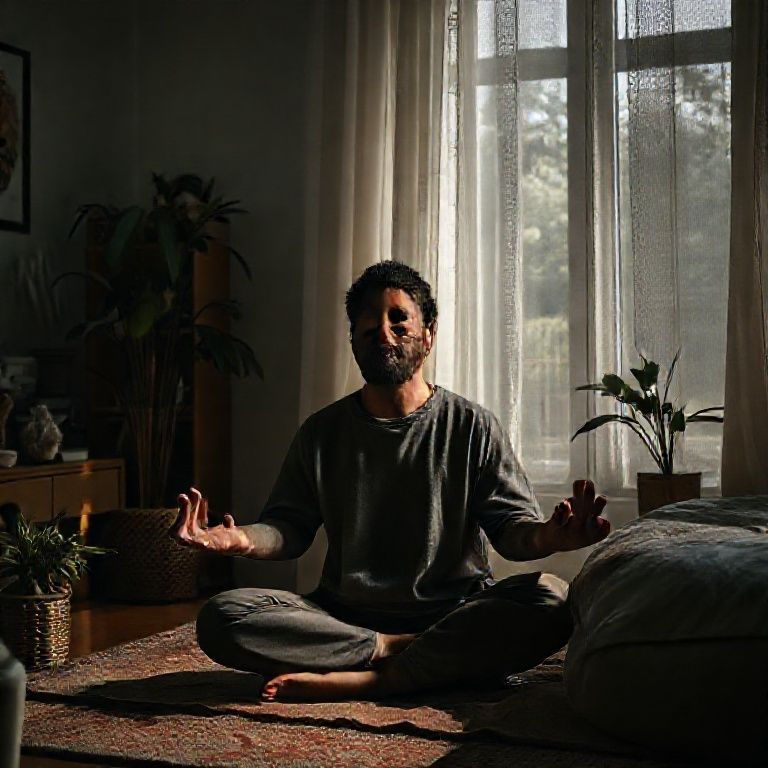
daily mindfulness routine at home

Introduction
In today’s fast-paced world, it’s easy to get caught up in the hustle and bustle of daily life and forget to take care of ourselves. Amidst the chaos, our minds can become cluttered with worries, stress, and anxiety. However, there is a simple yet powerful way to cultivate calmness, clarity, and inner peace: by establishing a daily mindfulness routine at home.
By incorporating mindfulness practices into your daily routine, you can transform your living space into a sanctuary of serenity and tranquility. This doesn’t require a lot of time or resources â just a quiet corner, a few minutes each day, and an open mind. By committing to a daily mindfulness practice, you’ll be able to quiet the constant chatter in your head, tune into your breath, and connect with your inner self.
In this article, we’ll explore the benefits and practicalities of creating a daily mindfulness routine at home. We’ll delve into simple yet effective practices that can be adapted to any lifestyle, from meditation and deep breathing exercises to mindful movement and sensory exploration. Whether you’re looking to reduce stress, improve focus, or simply find more joy in your daily life, this article will provide you with the tools and inspiration you need to start your own mindfulness journey at home.
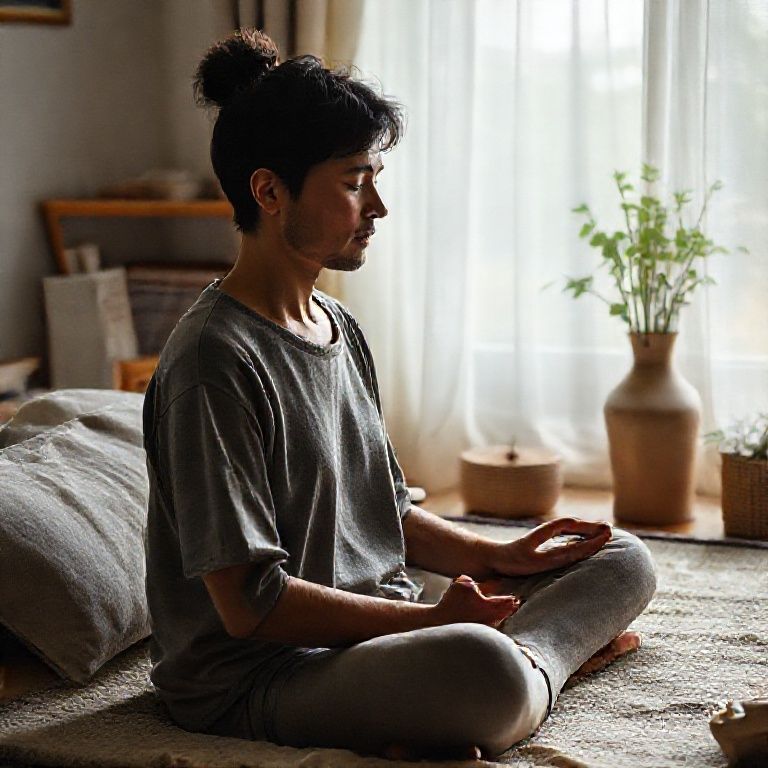
Creating a Daily Mindfulness Routine at Home
Setting the Foundation for Success
Establishing a daily mindfulness routine at home requires commitment and intentionality. The first step is to create an environment conducive to mindfulness practice. Designate a quiet and comfortable space in your home where you can sit and relax without distractions.
This space should be free from electronic devices, television, and other stimuli that may divert your attention. Consider using a meditation cushion or chair with good back support to ensure comfort during your practice. A peaceful and calming atmosphere will help you focus on your breath and quiet the mind.
Preparing Your Mind and Body
Before starting your mindfulness routine, take some time to prepare your mind and body. This may include:
1. Stretching and Hydration
Start by stretching your body to loosen up any tension. Begin with simple stretches such as neck rolls, shoulder rolls, and wrist extensions. Take a few sips of water to hydrate yourself and get your blood flowing. Staying hydrated will help you stay focused during your practice.
2. Grounding Techniques
Use grounding techniques such as deep breathing, progressive muscle relaxation, or visualization to calm your mind and bring your attention to the present moment. Deep breathing exercises can be particularly helpful in calming the nervous system and preparing the body for mindfulness practice.
Mindfulness Exercises for the Busy Home
1. Body Scan Meditation
Lie down or sit comfortably and focus on different parts of your body, starting from your toes and moving up to the top of your head. Notice any areas of tension or relaxation without judgment. Pay attention to the sensations in each part of your body, noticing how they feel and whether they are relaxed or tense.
2. Mindful Breathing
Focus on your breath, feeling the sensation of the air entering and leaving your nostrils. When your mind wanders, gently bring it back to your breath without judgment. Start with short periods of focus and gradually increase as you become more comfortable with the practice.
Incorporating Daily Mindfulness into Your Routine
Creating a Schedule
Schedule mindfulness practice into your daily routine, even if it’s just 5-10 minutes a day. Start with a manageable time commitment and gradually increase as you become more comfortable with the practice. Consider incorporating mindfulness into your morning or evening routine to set a positive tone for the day.
Making Mindfulness a Habit
Incorporate mindfulness into your daily activities such as eating, walking, or showering. Pay attention to your senses and the experience without judgment. For example, when eating, focus on the colors, smells, textures, tastes, and sounds of your food. This will help you appreciate the simple pleasures in life and cultivate a greater sense of gratitude.
Maintaining Your Mindfulness Practice
Overcoming Obstacles
Anticipate obstacles that may arise and develop strategies to overcome them. For example, if you’re feeling tired or distracted, try using a mindfulness app or guided meditation recording to help stay focused. You can also schedule your practice for a time of day when you are most alert and focused.
Staying Consistent
Consistency is key to maintaining your mindfulness practice. Aim to practice at the same time every day and make adjustments as needed. Consider setting reminders on your phone or placing sticky notes in strategic locations to help you stay on track.
Conclusion
Creating a daily mindfulness routine at home requires patience, commitment, and self-awareness. By following these steps and incorporating mindfulness into your daily life, you can cultivate greater awareness, reduce stress, and improve overall well-being. Remember that mindfulness is a journey, not a destination, and it’s okay to take things one step at a time.
References:
Mindfulness: A Practical Guide to Finding Peace in a Frantic World
The Mindful Way Workbook: An 8-Week Program to Free Yourself from Depression and Emotional Distress

Conclusion
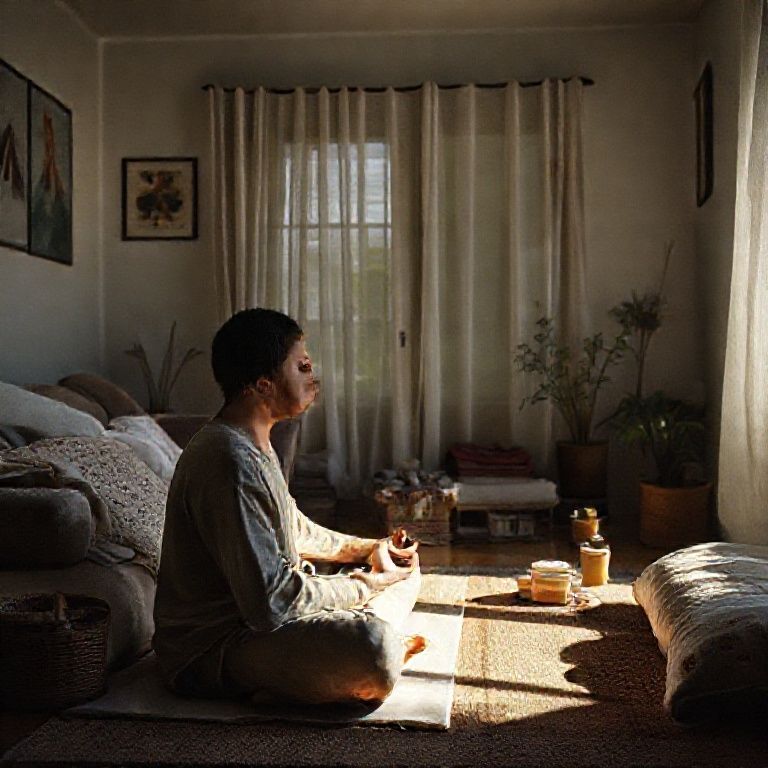
In incorporating a daily mindfulness routine into your home life, you can experience profound benefits that extend far beyond the present moment. By committing to just a few minutes of meditation, deep breathing, or yoga practice each day, you can cultivate greater self-awareness, reduce stress and anxiety, and improve your overall well-being.
So why not start today? Take a few moments to sit comfortably, close your eyes, and focus on your breath. Allow yourself to let go of distractions and simply be present in this moment. As you begin your mindfulness journey, remember that consistency is key. Start small and commit to practicing daily, even if it’s just for a minute or two each day. With time and patience, you’ll find that the benefits of mindfulness become more pronounced, and you’ll be on your way to a happier, healthier, and more mindful you.
Here are five concise FAQ pairs for a daily mindfulness routine at home:
Q: What is the best time of day to start my daily mindfulness routine?
A: It’s ideal to start your mindfulness routine first thing in the morning, upon waking up, or before bed to help set a positive tone for the day and promote relaxation.
Q: Do I need any special equipment for a daily mindfulness routine at home?
A: No, you don’t need any special equipment. A quiet space, a cushion or chair, and your attention are all that’s needed to practice mindfulness.
Q: How long does my daily mindfulness routine need to be?
A: Even just 5-10 minutes of mindfulness practice per day can be beneficial. Start with short sessions and gradually increase the duration as you become more comfortable with the practice.
Q: Can I do a daily mindfulness routine at home if I have family members or pets?
A: Yes, you can still practice mindfulness at home even with distractions. Try to find a quiet time of day when your household is less active, or use white noise apps to create a peaceful environment.
Q: What if I get distracted during my daily mindfulness routine? Should I start over?
Here’s a short quiz for a daily mindfulness routine at home:
Question 1: What is the best time of day to start your mindfulness practice?
A) As soon as you wake up
B) During your lunch break
C) Before bed, when it’s quiet and dark
Show answer
Answer: A) As soon as you wake up
Question 2: Which of the following activities can help you clear your mind during meditation?
A) Watching TV or scrolling through social media
B) Listening to calming music or nature sounds
C) Engaging in a mentally stimulating task, like solving a puzzle
Show answer
Answer: B) Listening to calming music or nature sounds
Question 3: What is the purpose of setting an intention for your mindfulness practice?
A) To distract yourself from stress and anxiety
B) To focus on physical sensations in your body
C) To cultivate self-awareness and clarity of mind
Show answer
Answer: C) To cultivate self-awareness and clarity of mind
Question 4: How often should you aim to practice mindfulness each day?
A) Only when you feel stressed or overwhelmed
B) For a short period, like 5-10 minutes, before bed
C) At least 20-30 minutes, ideally at the same time every day
Show answer
Answer: C) At least 20-30 minutes, ideally at the same time every day






This really helped me understand the concept better. Thanks for sharing!
I enjoyed reading this. I’ve been looking for information like this everywhere.
Well written! This opened my eyes to a new way of thinking.
Thanks for this post. This really helped me understand the concept better.
Interesting perspective. This post answered all my questions. Thank you!
Very informative and well-written article.