
Concealer For Dark Circles: 11 Deal‑Breakers that Sabotage Your Look

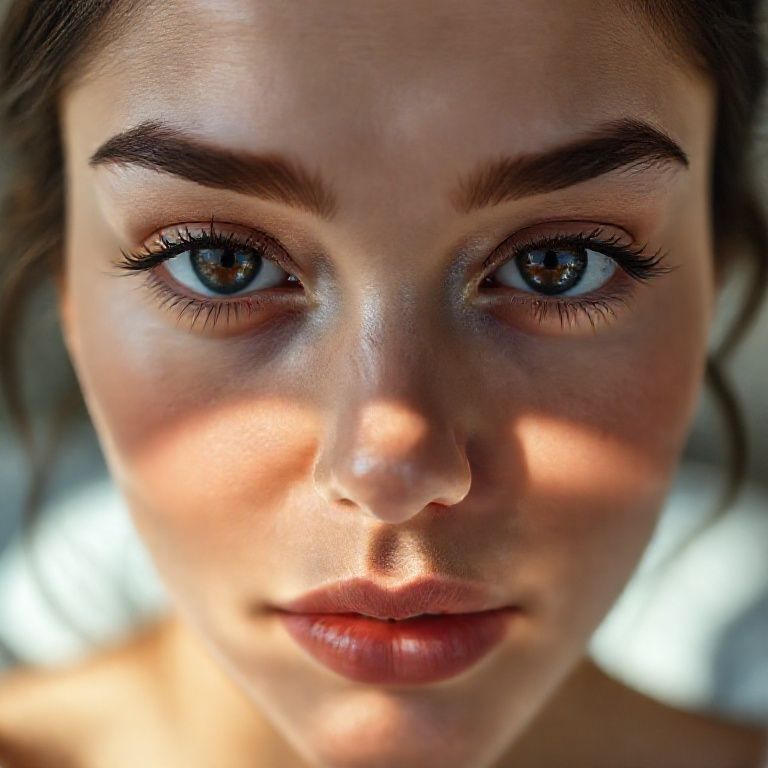
concealer for dark circles

Introduction
When it comes to addressing signs of aging, few concerns are as frustrating as dark circles under the eyes. These unsightly discolorations can make even the most well-rested individuals look tired and worn out. The good news is that with the right concealers, it’s possible to effectively cover up these imperfections and reveal a brighter, more radiant complexion.
Concealer for dark circles has become an essential tool in many beauty routines, particularly among those who struggle with persistent puffiness or discoloration under their eyes. By providing a layer of smooth, even coverage that can help mask the appearance of dark circles, concealers have revolutionized the way we tackle this common skin concern.
In this article, we’ll delve into the world of concealers for dark circles, exploring the best products, techniques, and tips for using them to achieve a flawless, wake-up-the-world look. Whether you’re struggling with persistent discoloration or simply looking for ways to enhance your natural beauty, we’ll provide expert advice on how to choose the right concealer and make it work for you.
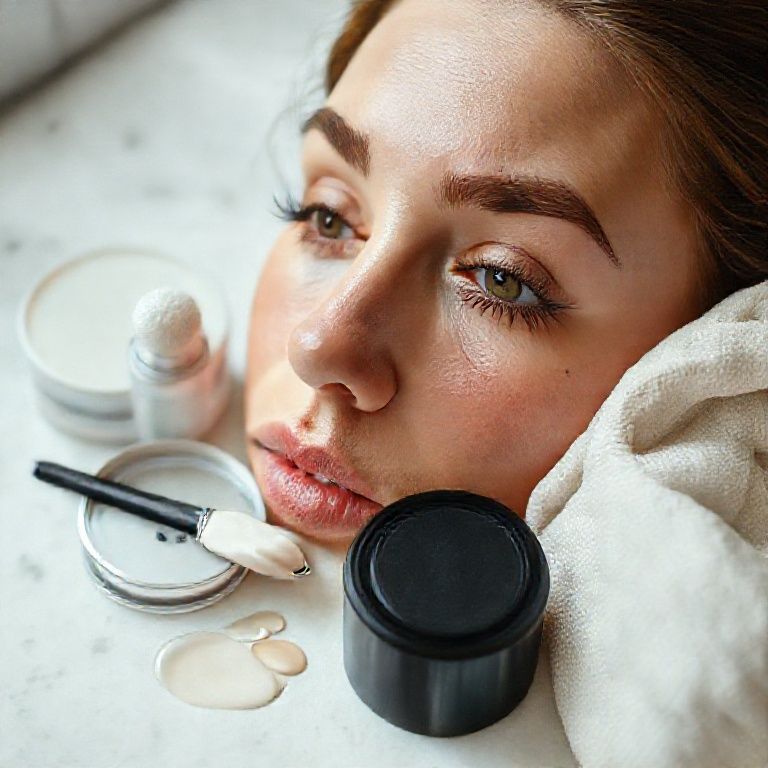
Effective Concealer for Dark Circles: a Comprehensive Guide
Choosing the Right Concealer
When it comes to covering dark circles, a good concealer is essential. Look for a concealer that is one shade lighter than your foundation and has a creamy or gel-like texture. This will help to brighten up the under-eye area without looking cakey or heavy.
Step 1: Prep Your Under-Eye Area
Before applying concealer, make sure to prep your under-eye area by patting a small amount of moisturizer or primer into the skin. This will help the concealer stay in place longer and reduce the appearance of fine lines and wrinkles.
Tips for Choosing the Right Concealer Shade
If you have very dark circles, look for a concealer that is one to two shades lighter than your foundation.
If you have fair skin, avoid using concealers with yellow or golden undertones, as these can accentuate dark circles.
If you have darker skin tones, look for concealers with peach or orange undertones, which can help to neutralize the appearance of dark circles.
Step 2: Apply Concealer
Using a small concealer brush or a beauty blender, apply a thin layer of concealer to the under-eye area. Start in the inner corner of your eye and work your way outwards, using gentle, sweeping motions to blend the product into the skin.
How to Blend Concealer for a Natural Finish
Use light, feathery strokes to blend the concealer into the skin.
Make sure to blend the edges of the concealer well, as this will help to prevent any harsh lines or edges from forming.
If necessary, use a small brush to apply additional concealer to specific areas, such as the tear ducts or the orbital bone.
Step 3: Set with Powder
Once you have applied and blended your concealer, set it with a light dusting of powder. This will help to prevent the concealer from creasing or settling into fine lines and wrinkles.
Why Setting Concealer with Powder Is Essential
Powder helps to keep the concealer in place longer.
Powder can also help to reduce the appearance of pores and fine lines, giving a smoother, more even finish.
Step 4: Finishing Touches
Finally, take a step back and evaluate your under-eye area. If necessary, make any final adjustments to the concealer or powder. Take a moment to appreciate the results â you should now have a brighter, more radiant complexion!
Additional Tips for Brightening Up Your Under-Eye Area
Use a brightening primer or serum before applying makeup to enhance the appearance of your under-eye area.
Consider using a highlighting product, such as a liquid highlighter or cream highlighter, to add an extra touch of brightness to the under-eye area.
For more information on concealer for dark circles, check out these external resources:
[1] “The Best Concealers for Dark Circles”
“The 10 Best Concealers for Dark Circles” by Beauty.com
[2] “How to Cover Up Dark Circles with Makeup”
“How to Cover Up Dark Circles with Makeup” by Allure


Conclusion
In conclusion, finding the right concealer for dark circles can be a game-changer for anyone struggling with this common skin concern. By choosing a high-quality concealer that matches your skin tone and type, you can effectively cover up dark circles and wake up to a brighter, more radiant complexion. Don’t wait any longer to say goodbye to tired-looking eyes – try out a new concealer today and start enjoying the benefits of a smoother, more even-toned face.
Here are five concise FAQ pairs for “concealer for dark circles”:
Q: What is the best type of concealer to use for dark circles?
A: Look for a concealer that is one shade lighter than your foundation, with a creamy or gel formula to help cover and brighten the area.
Q: How do I choose the right shade of concealer for my skin tone?
A: Choose a concealer that matches your skin tone as closely as possible. If you have cool undertones, look for a blue-based concealer, while warm undertones require an orange-based concealer.
Q: Can I use any type of foundation with a concealer to cover dark circles?
A: No, it’s best to use a specific concealer formula designed for dark circles, as these formulas are typically thicker and more opaque than regular foundation.
Q: How do I apply concealer to effectively cover dark circles?
A: Apply the concealer in a triangle shape under each eye, starting from the inner corner and working your way out. Blend well with a brush or beauty blender to avoid visible lines.
Q: Do I need to use concealer every day to cover dark circles?
Here’s your quiz:
What is the primary function of concealer when it comes to dark circles?
A) To cover up blemishes
B) To brighten and lift the under-eye area
C) To conceal redness in the cheeks
Show answer
Answer: B
Which type of concealer is best suited for covering dark circles?
A) Liquid concealer
B) Stick concealer
C) Cream concealer
Show answer
Answer: C
What is a common ingredient found in many concealers designed to target dark circles?
A) Vitamin E
B) Peptides
C) caffeine
Show answer
Answer: C
When applying concealer for dark circles, which technique is recommended to avoid pulling or tugging on the delicate skin under the eyes?
A) Patting with fingers
B) Wiping with a brush
C) Dabbing with a sponge
Show answer
Answer: A

This is pure gold! Thanks for sharing!
You’ve outdone yourself with this one!
Great article! Thank you for taking the time to write this.
I can’t thank you enough for this information. Looking forward to more content like this.
Thanks for this post. You explained this so clearly. Thank you!
Your writing style makes complex topics easy to understand.