
Communication Drills For Team Sports: 11 Proven Methods to Get Started Today

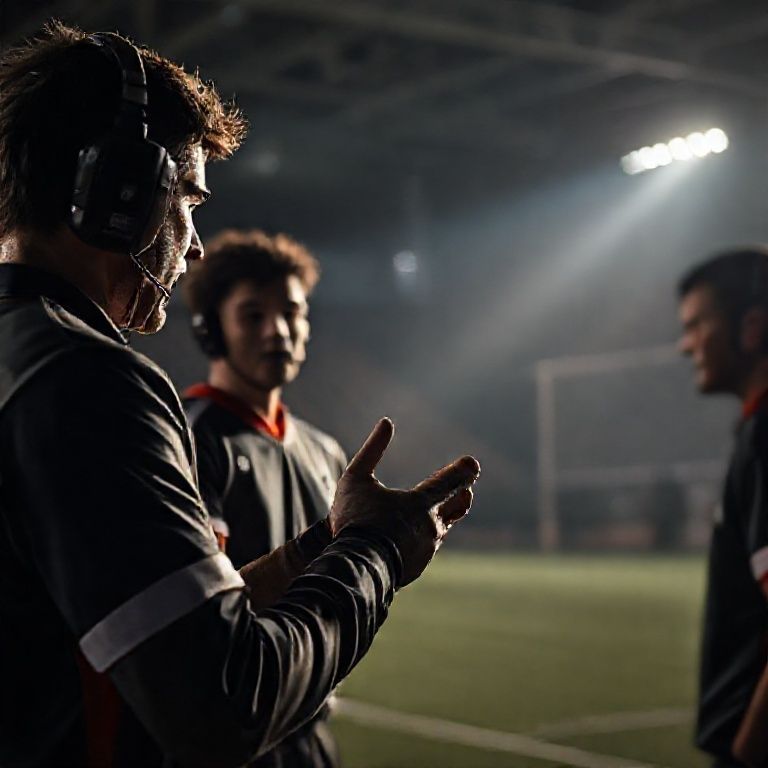
communication drills for team sports
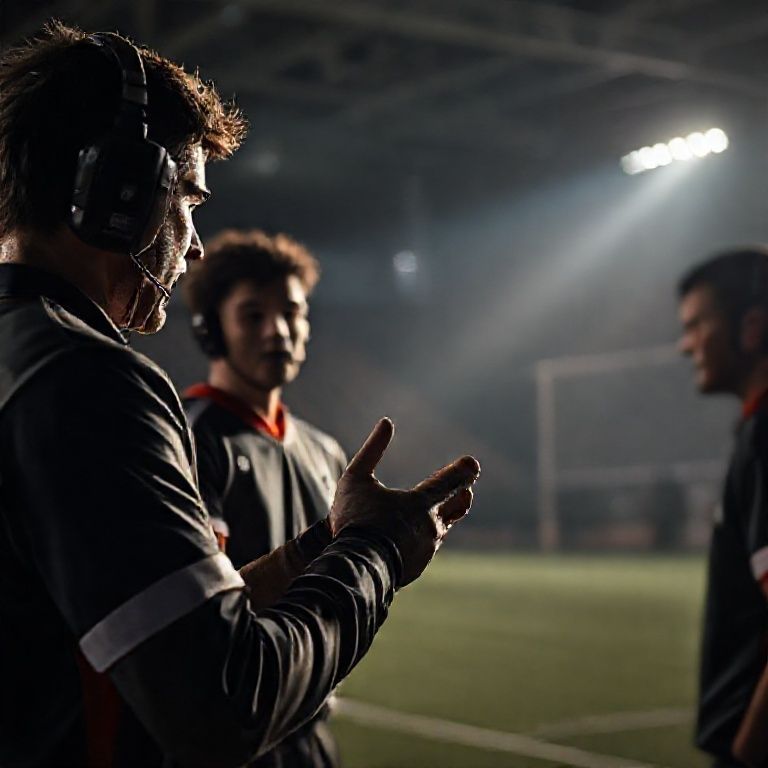
Introduction
In team sports, effective communication is the backbone of success. It’s the key that unlocks cohesion, trust, and ultimately, victory. However, in the heat of competition, it’s easy to overlook the importance of clear and concise communication among teammates. Poor communication can lead to misinterpretations, misunderstandings, and costly mistakes on the field or court.
As a coach or team leader, recognizing the value of communication drills is crucial for developing a winning strategy. By incorporating specific exercises into your training sessions, you can help your players develop the essential skills needed to communicate effectively under pressure. This not only enhances their overall performance but also fosters a positive team culture that relies on mutual respect and trust.
In this article, we’ll explore the importance of communication drills for team sports and provide practical tips and examples to help you implement effective communication exercises in your own training sessions. Whether you’re coaching a youth soccer team or leading a professional basketball squad, these drills will equip your players with the skills they need to succeed in high-stakes competition.

Effective Communication Drills for Team Sports
Effective communication is crucial in team sports to achieve success and win games. Poor communication can lead to misunderstandings, mistakes, and ultimately, defeat. In this section, we will discuss various communication drills that teams can use to improve their communication skills.
Understanding the Importance of Communication in Team Sports
Communication is a vital aspect of team sports, and it encompasses verbal and non-verbal communication. Verbal communication refers to the exchange of information through words, while non-verbal communication includes body language, facial expressions, and other non-verbally cues. Good communication helps teams work together seamlessly, share ideas, and make quick decisions.
Role of Communication in Team Sports
Communication Plays a Significant Role in Team Sports as It Enables Players to:
Share strategies and tactics
Coordinate movements on the field
Provide feedback and encouragement
Resolve conflicts and disagreements
According to research by the National Federation of State High School Associations (NFHS), effective communication is critical for team success, particularly in contact sports like football and hockey.
Practical Communication Drills for Team Sports
Here are some practical communication drills that teams can use to improve their communication skills:
1. Two-Line Pass Drill
This drill helps players develop verbal communication skills by passing information through two lines of players.
Divide the team into two lines, with one player at each end.
The player at one end calls out a signal or instruction, such as “pass to the left” or “shoot for goal.”
The players in both lines must communicate the signal to each other and execute the action.
Repeat the drill several times, gradually increasing the distance between the two lines.
For example:
Player 1: “Pass to the left”
Player 2 (in line 1): “Got it!”
Player 3 (in line 2): “I’m open”
Player 4 (on the field): “Shoot for goal”
2. Communication Check
This drill helps teams develop their listening skills by requiring players to listen carefully to instructions and respond accurately.
Divide the team into pairs or small groups.
One player calls out an instruction or signal, such as “start sprinting” or “change direction.”
The other player must listen carefully and respond correctly, such as “I’m starting to sprint” or “I’ll change direction now.”
For example:
Player A: “Start sprinting”
Player B (listening): “Got it! I’m starting to sprint!”
Player A: “Change direction now”
Player B (listening): “Okay, I’ll change direction”
3. Non-Verbal Communication Drill
This drill helps players develop their non-verbal communication skills by using body language and facial expressions to convey information.
Divide the team into pairs or small groups.
One player calls out a signal or instruction, such as “let’s go” (using hand gestures) or “defend the goal” (using facial expressions).
The other player must use non-verbal cues to respond, such as nodding their head or making eye contact.
For example:
Player A: *makes a running motion with hands*
Player B (listening): *nods head and takes off running*
4. Communication Scenarios
This drill helps teams develop their ability to communicate in different scenarios.
Divide the team into pairs or small groups.
Present various scenarios, such as “we’re down by two points” or “the opposing team is getting tired.”
Ask players to discuss and decide on a strategy, using verbal and non-verbal communication.
For example:
Player A: “We’re down by two points. What do we need to do to win?”
Player B (listening): “I think we should go for the three-pointer. We have an open shot.”
Player A: *nods head*
Player B: *makes eye contact and takes a step forward*
5. Communication Under Pressure
This drill helps teams develop their ability to communicate effectively under pressure.
Divide the team into pairs or small groups.
Present various scenarios, such as “we’re down by two points with only seconds left on the clock” or “the opposing team is about to score.”
Ask players to discuss and decide on a strategy, using verbal and non-verbal communication.
For example:
Player A: “We’re down by two points. What do we need to do to win?”
Player B (listening): *looks stressed* “I think
Conclusion
In conclusion, effective communication is the backbone of success in team sports. By incorporating communication drills into your training regimen, you can improve teamwork, reduce errors, and enhance overall performance. We encourage coaches, players, and teams to make communication a priority by implementing regular drills that focus on clear and concise communication, active listening, and empathy. Together, we can unlock the full potential of our teams and achieve victory in more ways than just on the field.
Here are five concise FAQ pairs for communication drills in team sports:
Q: What is the purpose of communication drills in team sports?
A: The primary goal of communication drills is to improve team communication, build trust, and enhance overall team performance by increasing awareness of teammates’ positions, roles, and actions.
Q: How often should teams practice communication drills?
A: Teams should practice communication drills regularly, ideally at least once a week, to reinforce new skills and maintain proficiency in effective communication during games.
Q: What types of communication drills are most effective for team sports?
A: Effective communication drills for team sports include passing drills, receiving drills, and scenario-based drills that mimic game situations, such as end-of-game scenarios or defensive strategies.
Q: Can communication drills be adapted to different age groups and skill levels?
A: Yes, communication drills can be tailored to suit various age groups and skill levels by adjusting the complexity of drills, using visual aids, and incorporating games and activities that promote teamwork and communication.
Q: How can teams ensure effective communication during games?
Here’s a short quiz on communication drills for team sports:
Question 1: What is the primary purpose of communication in team sports?
A) To intimidate opponents
B) To gain an advantage over the opponent
C) To ensure that teammates are aware of their roles and responsibilities, as well as any changes or updates during the game
Show answer
Answer: C
Question 2: Which type of communication is most effective for conveying complex information to teammates?
A) Verbal cues only
B) Non-verbal cues only
C) A combination of verbal and non-verbal cues, including hand signals and body language
Show answer
Answer: C
Question 3: What should a team captain or leader do if they notice a teammate making an incorrect call during a play?
A) Yell at the teammate for making the mistake
B) Whisper instructions to the teammate to correct their error
C) Call a timeout to discuss the play and come up with a new strategy
Show answer
Answer: C
Question 4: How often should team members check in with each other during a game?
A) Only when they are on offense
B) Only when they are on defense
C) Constantly, throughout the entire game, to ensure everyone is aware of their roles and any changes that may occur
Show answer
Answer: C





Your insights are always spot-on. 👍
This helped me solve my problem! Thank you so much!