
Caffeine Timing For Performance: 11 Proven Methods to Get Started Today

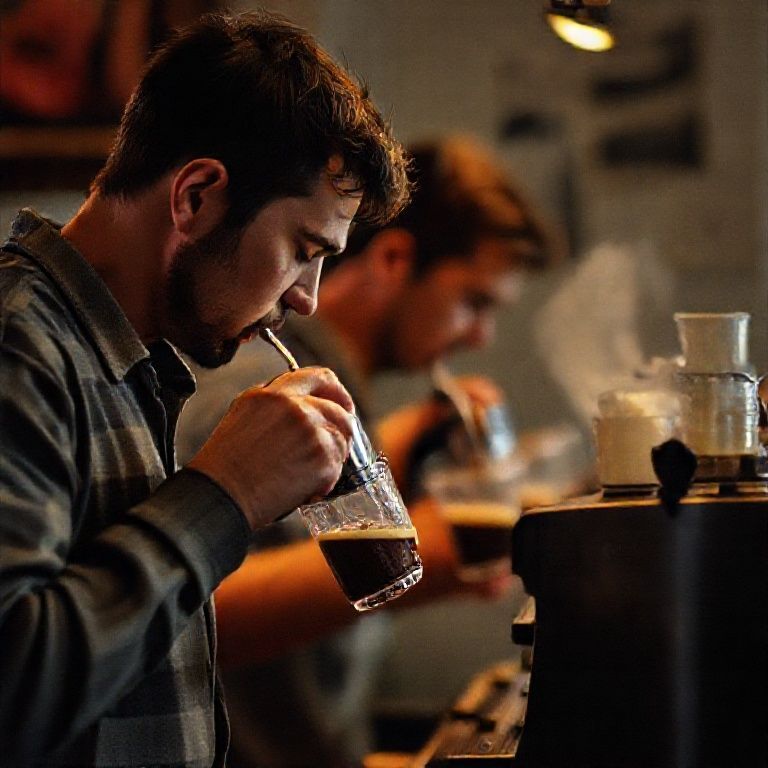
caffeine timing for performance

Introduction
As athletes and individuals seeking to optimize their mental clarity and physical performance, understanding the optimal timing of caffeine intake has become a crucial aspect of training and competition preparation. Caffeine timing for performance is a complex interplay of individual factors, including metabolism, body weight, and personal sensitivity to stimulants. While many people rely on an “as-needed” approach to caffeine consumption, research suggests that strategically planning when and how much caffeine is consumed can significantly impact athletic performance.
The science behind caffeine’s effects on the body is multifaceted, with studies demonstrating its ability to enhance muscle contraction force, increase endurance, and boost mental alertness. However, the optimal timing of caffeine intake varies depending on individual characteristics, such as body weight, sleep patterns, and dietary habits. Some research suggests that consuming caffeine a few hours before exercise can lead to improved performance and reduced fatigue.
Despite the growing body of evidence supporting the benefits of caffeine timing for performance, many individuals remain unsure about how to incorporate this strategy into their daily routines. In this article, we will delve into the latest research on caffeine timing for performance, exploring the best practices and guidelines for optimal caffeine consumption before exercise, competition, or other high-stakes events.

Caffeine Timing for Performance: Unlocking Your Potential
Understanding the Science Behind Caffeine
Caffeine is a widely used stimulant that can significantly impact athletic performance. When consumed strategically, caffeine can enhance endurance, boost mental focus, and even improve reaction time (1). However, timing is crucial to maximize its effects.
The Optimal Time to Consume Caffeine
Pre-Workout Vs. Post-Workout Strategies
Research suggests that consuming caffeine 30 minutes before exercise can lead to improved performance in endurance activities such as distance running or cycling (2). This pre-workout strategy allows the caffeine to take effect during the most critical phase of exercise, when the body’s energy stores are being depleted.
On the other hand, post-workout consumption may be beneficial for athletes looking to improve muscle recovery and delay fatigue onset. A study published in the Journal of Strength and Conditioning Research found that caffeine taken within 30 minutes after exercise improved muscular power output (3).
The Importance of Individual Caffeine Sensitivity
Factors Influencing Caffeine Effectiveness
Caffeine sensitivity can vary significantly between individuals, influenced by factors such as body weight, sleep deprivation, and genetic predisposition. To optimize caffeine timing for performance, it’s essential to consider these individual differences.
For example, a study published in the International Journal of Sports Nutrition and Exercise Metabolism found that athletes with higher body mass index (BMI) responded better to caffeine than those with lower BMI (4). Additionally, research suggests that caffeine sensitivity may be influenced by age, with younger individuals tend to respond more positively to caffeine (5).
Putting It into Practice
Step-by-Step Guide to Caffeine Timing for Performance
1. Determine your individual caffeine sensitivity: Experiment with different doses and timing to find what works best for you.
2. Choose the right type of caffeine: Consider using a caffeine powder or tablet, which can provide a more precise dosage than coffee or energy drinks.
3. Time your caffeine intake strategically: Use the pre-workout and post-workout strategies outlined above to maximize its effects.
4. Monitor your body’s response: Pay attention to how your body reacts to caffeine, adjusting your timing and dosage as needed.
Advanced Strategies for Caffeine Timing
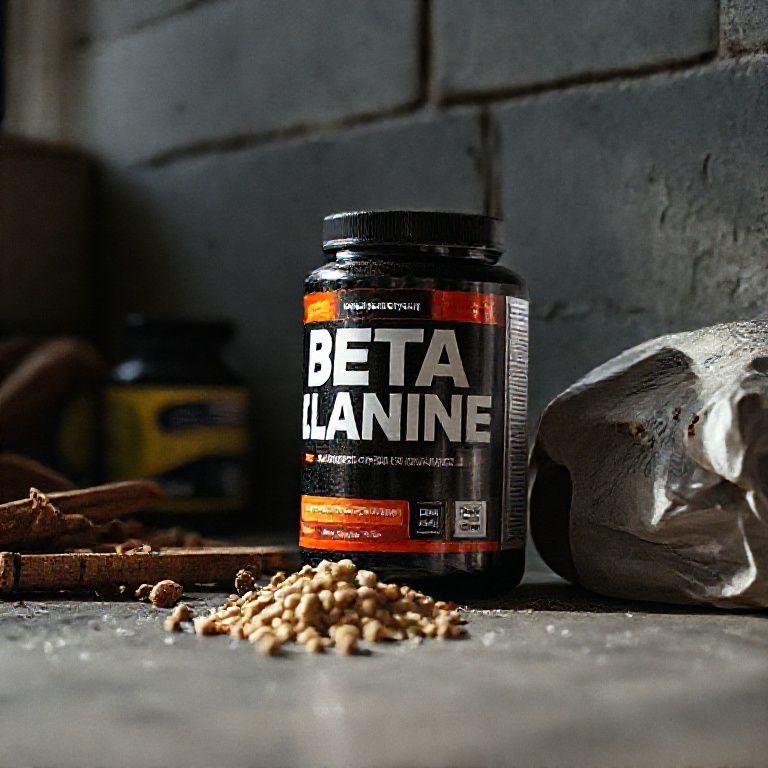
Caffeine stacking**: Consider combining caffeine with other stimulants, such as beta-alanine or L-carnitine, to enhance its effects.
Timing of caffeine intake based on exercise intensity**: For high-intensity exercises, consume caffeine 20-30 minutes before exercise, while for low-to-moderate intensity exercises, consume it 30-60 minutes before exercise.
By understanding caffeine timing for performance and incorporating these practical guidelines into your training routine, you can unlock your full potential and achieve better results in the gym.
References:
1. <a href=” effects of caffeine on exercise performance: a review
2. <a href=” effects of caffeine on performance during cycling
3. <a href=” and exercise: a review of the evidence for athletic performance enhancement
4. <a href=” caffeine sensitivity in athletes with different body mass indexes
5. <a href=” effects of age on caffeine sensitivity

Conclusion
In optimizing caffeine intake for performance, it’s essential to consider the timing of consumption. Research suggests that consuming caffeine 30-60 minutes before physical activity can enhance endurance and boost exercise performance. However, individual tolerance and sensitivity to caffeine vary greatly, so it’s crucial to experiment and find the optimal timing that works best for each person. By understanding the science behind caffeine timing, individuals can make informed decisions about their pre-workout routine and potentially unlock new levels of athletic performance.
Here are five concise FAQ pairs on “Caffeine Timing for Performance”:
Q: When is the best time to consume caffeine for optimal performance?
A: Caffeine works best when consumed 30-60 minutes before a physical or mental task, allowing it to take effect during peak alertness.
Q: Can I benefit from consuming caffeine in the morning for daily productivity?
A: Yes, taking a moderate amount of caffeine (about 100mg) in the morning can help increase alertness and focus throughout the day.
Q: How long does caffeine typically last in the body?
A: Caffeine’s effects usually peak within 30-60 minutes after consumption and can last for 4-6 hours, depending on individual tolerance and metabolism.
Q: Is it better to take a single high dose of caffeine or multiple smaller doses throughout the day?
A: Taking multiple smaller doses (about 50-100mg each) spaced evenly apart can provide sustained energy and alertness without causing jitters or an overwhelming crash.
Q: Can I use caffeine as a crutch for natural sleep deprivation, rather than addressing the underlying issue?
Here’s your quiz:
Question 1: What is the recommended time frame to consume caffeine before a workout for optimal performance?
A) Within 30 minutes of waking up
B) 2-3 hours before exercise
C) Immediately before exercise
Show answer
Answer: B) 2-3 hours before exercise
Question 2: Which of the following is a common side effect of consuming too much caffeine?
A) Increased muscle mass
B) Improved mental focus and concentration
C) Nausea, jitteriness, and increased heart rate
Show answer
Answer: C) Nausea, jitteriness, and increased heart rate
Question 3: What happens to the body’s natural cortisol levels when caffeine is consumed?
A) Cortisol levels increase, leading to increased alertness
B) Cortisol levels decrease, leading to drowsiness
C) There is no effect on cortisol levels
Show answer
Answer: A) Cortisol levels increase, leading to increased alertness
Question 4: What is the recommended amount of caffeine for a 150-pound person?
A) 200-300mg (1-2 cups of coffee)
B) 100-200mg (0.5-1 cup of coffee)
C) 400-500mg (2-3 cups of coffee)
Show answer
Answer: B) 100-200mg (0.5-1 cup of coffee)





Interesting perspective. I never thought about it this way. Thanks for sharing!
Very informative and well-written article. Thanks for sharing!
Interesting perspective. Great article! Thanks for sharing this valuable information.
Thank you for this detailed explanation. Much appreciated.
Great article! Great article! Thanks for sharing this valuable information.