
Breathing Patterns To Calm Nerves: 13 Effective Ideas to Build Endurance


breathing patterns to calm nerves

Introduction
In today’s fast-paced world, stress and anxiety have become an inevitable part of our daily lives. Our minds are constantly racing with thoughts, worries, and concerns, making it difficult to relax and unwind. One simple yet powerful tool that can help calm our nerves is the art of breathing patterns. By harnessing the power of conscious breathing, we can slow down our heart rate, lower our blood pressure, and quiet our minds.
Breathing patterns to calm nerves have been used for centuries in various forms of meditation, yoga, and mindfulness practices. These techniques involve deliberately controlling our breath to induce a state of relaxation and inner peace. By focusing on the sensation of the breath moving in and out of the body, we can distract ourselves from stressful thoughts and emotions, allowing us to calm down and center ourselves.
In this article, we will explore some effective breathing patterns to calm nerves that you can easily incorporate into your daily routine. From simple diaphragmatic breathing exercises to more advanced techniques like box breathing, we’ll delve into the science behind these methods and provide practical tips on how to get started. By incorporating these breathing patterns into your self-care routine, you can learn to manage stress and anxiety, leading to a more peaceful and balanced life.

Breathing Patterns to Calm Nerves
Understanding the Science Behind Breathing and Stress
When we experience stress or anxiety, our breathing patterns can become rapid and shallow. This can lead to a range of negative effects on both physical and mental health. However, by making a few simple changes to our breathing patterns, we can help calm our nerves and reduce feelings of stress.
The Impact of Breathing on the Body
When we breathe rapidly, it triggers the body’s “fight or flight” response, releasing stress hormones like adrenaline and cortisol into the bloodstream. This can lead to increased heart rate, blood pressure, and respiration, all of which can have negative effects on our physical health.
Diaphragmatic Breathing: the Key to Calming Nerves
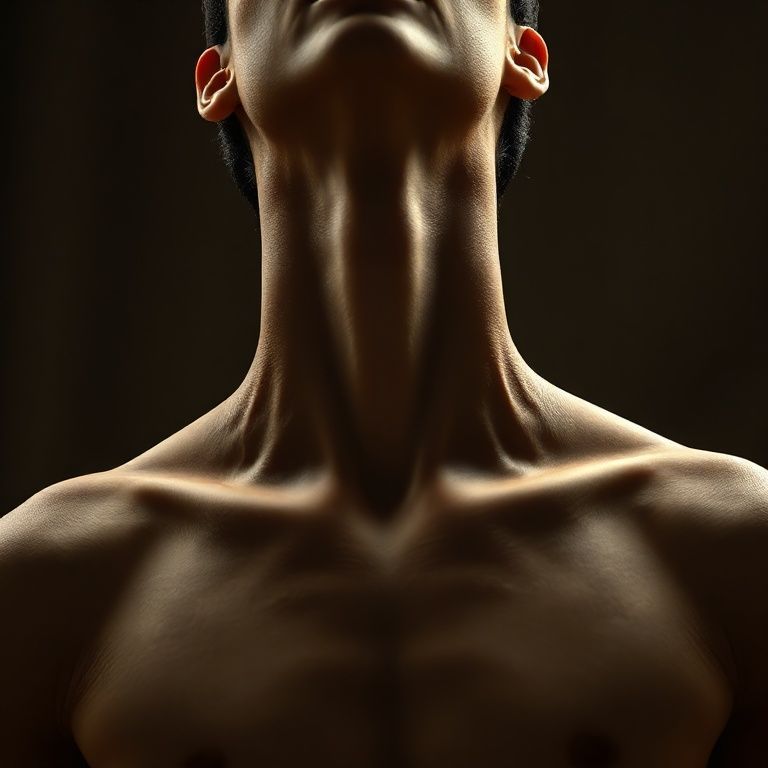
Diaphragmatic breathing, also known as belly breathing, is a type of breathing that engages the diaphragm, the muscle that separates the chest and abdominal cavities. When we breathe diaphragmatically, it allows for more efficient oxygen intake and can help slow down our heart rate and promote relaxation.
How to Practice Diaphragmatic Breathing
To practice diaphragmatic breathing, follow these steps:
1. Find a comfortable seated or lying position with your back supported.
2. Place one hand on your belly and the other on your chest.
3. Inhale slowly through your nose, allowing your belly to rise as your diaphragm descends.
4. Your chest should not move; only your belly should expand.
5. Exhale slowly through your mouth, allowing your belly to fall as your diaphragm rises.
Alternate Nostril Breathing: a Yoga-Inspired Technique
Alternate nostril breathing is a yoga-inspired technique that involves closing one nostril and breathing in through the other, then switching to exhale through the other nostril. This technique can help balance the body’s energy and promote relaxation.
How to Practice Alternate Nostril Breathing
To practice alternate nostril breathing, follow these steps:
1. Sit comfortably with your back straight.
2. Place your right hand in front of your face, with your thumb and pinky finger forming a “V” shape.
3. Close your right nostril with your thumb and inhale slowly through your left nostril.
4. Close your left nostril with your ring finger and exhale slowly through your right nostril.
5. Inhale through your right nostril, then close it with your thumb and exhale through your left nostril.
Conclusion
By incorporating these breathing patterns into our daily routine, we can help calm our nerves and reduce feelings of stress. Whether you’re looking to manage anxiety or simply feel more relaxed, diaphragmatic breathing and alternate nostril breathing are two simple yet powerful techniques that can make a big difference.
References:
1. Kox, M., van Eijk, L. T., Zwaag, J., van den Wildenberg, J., Sweep, F. C., van der Hoeven, J. G., & Pickkers, P. (2014). Voluntary activation of the sympathetic nervous system and attenuation of the innate immune response in humans. Proceedings of the National Academy of Sciences, 111(20), 7379-7384. doi: 10.1073/pnas.1323579111
2. Jensen, M. P., & Kirsch, I. (2011). Self-regulation of pain through mindfulness and relaxation techniques. Journal of Pain Research, 4, 131–143. doi:

Conclusion
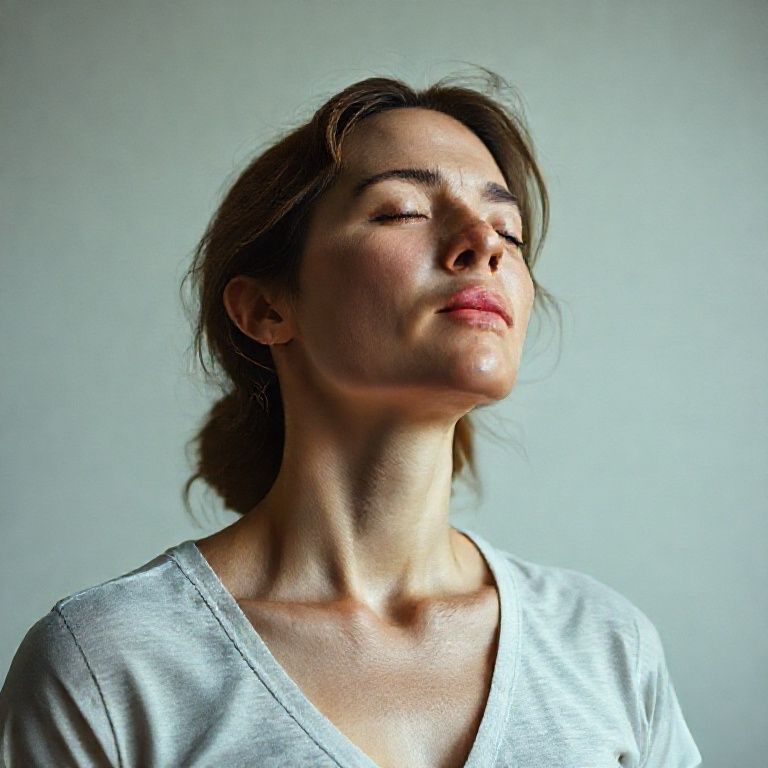
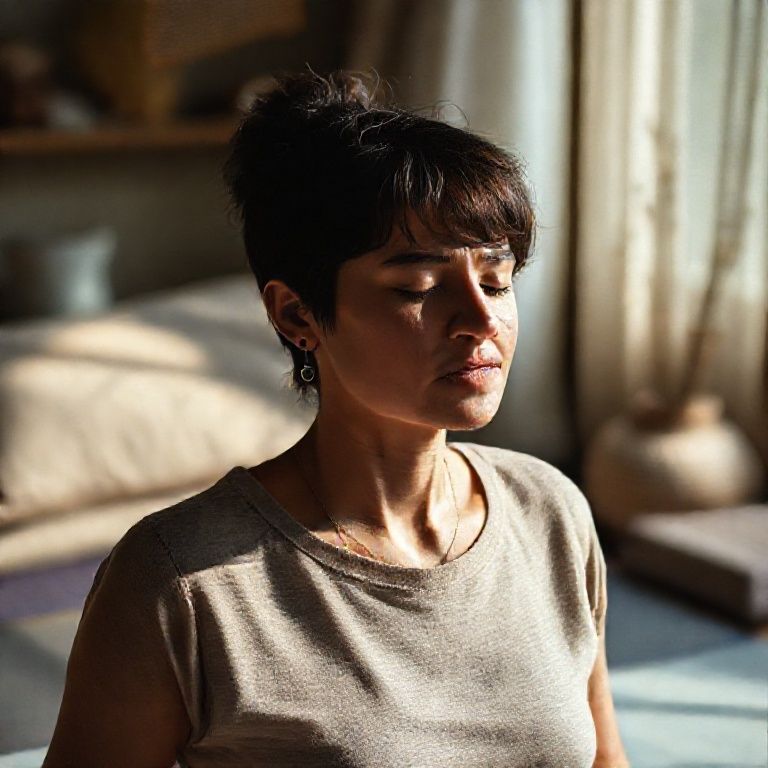
In conclusion, mastering breathing patterns is a simple yet effective way to calm nerves and reduce stress. By incorporating these techniques into your daily routine, you can take control of your anxiety and promote overall well-being. Start by finding a quiet and comfortable space, close your eyes, and focus on your breath. Practice the 4-7-8 technique, box breathing, or alternate nostril breathing to calm your mind and body. Remember, it’s not about achieving perfection, but about making progress towards a more peaceful state of being. Take a deep breath in, and take the first step towards transforming your nervous system with conscious breathing.
Here are five concise FAQ pairs on breathing patterns to calm nerves:
Q: What is the most effective breathing technique to calm my nerves?
A: The 4-7-8 method, also known as the “Relaxation Breath,” involves inhaling for a count of four, holding your breath for seven counts, and exhaling for eight counts.
Q: Can I use deep breathing exercises if I have asthma or other respiratory conditions?
A: While deep breathing may exacerbate some respiratory conditions, it can be beneficial in moderation. Consult with your doctor before starting any new exercise routine, especially if you have pre-existing medical conditions.
Q: How often should I practice breathing exercises to see results?
A: Regular practice is key. Aim to set aside a few minutes each day to focus on deep, slow breaths. Consistency is more important than frequency – even short sessions can be beneficial.
Q: Can I use breathing exercises while meditating or practicing yoga?
A: Yes! Breathing patterns are often used in conjunction with meditation and yoga practices to enhance relaxation and focus. Experiment with different techniques during your practice to find what works best for you.
Q: Are there any specific breathing techniques that can help me fall asleep?
Here’s a short quiz on breathing patterns to calm nerves:
Question 1: What is the primary muscle group responsible for diaphragmatic breathing?
A) Chest muscles
B) Abdominal muscles
C) Shoulder muscles
Show answer
Answer: B) Abdominal muscles
Question 2: Which of the following breathing techniques involves taking slow, deep breaths through your nose and exhaling slowly through your mouth?
A) Box breathing
B) Alternate Nostril Breathing
C) Diaphragmatic breathing with a pause between inhale and exhale
Show answer
Answer: A) Box breathing
Question 3: What is the purpose of the 4-7-8 breathing technique, also known as the “relaxation breath”?
A) To increase oxygen levels in the body
B) To slow down heart rate and promote relaxation
C) To stimulate the parasympathetic nervous system
Show answer
Answer: B) To slow down heart rate and promote relaxation
Question 4: Which of the following breathing patterns is often used to calm the nervous system during times of stress or anxiety?
A) Rapid, shallow chest breathing
B) Slow, deep diaphragmatic breathing
C) Hyperventilating breathing
Show answer
Answer: B) Slow, deep diaphragmatic breathing




I appreciate the depth of research in this post. 💯
This rocks. 🎸
I enjoyed reading this. So helpful and informative!
I’ve been looking for information like this everywhere. 💯
I enjoyed reading this. I appreciate the depth of research in this post.
Thank you for taking the time to write this. 💯