
Breathing Exercises Before Workouts: 6 Hidden Traps that Hold You Back

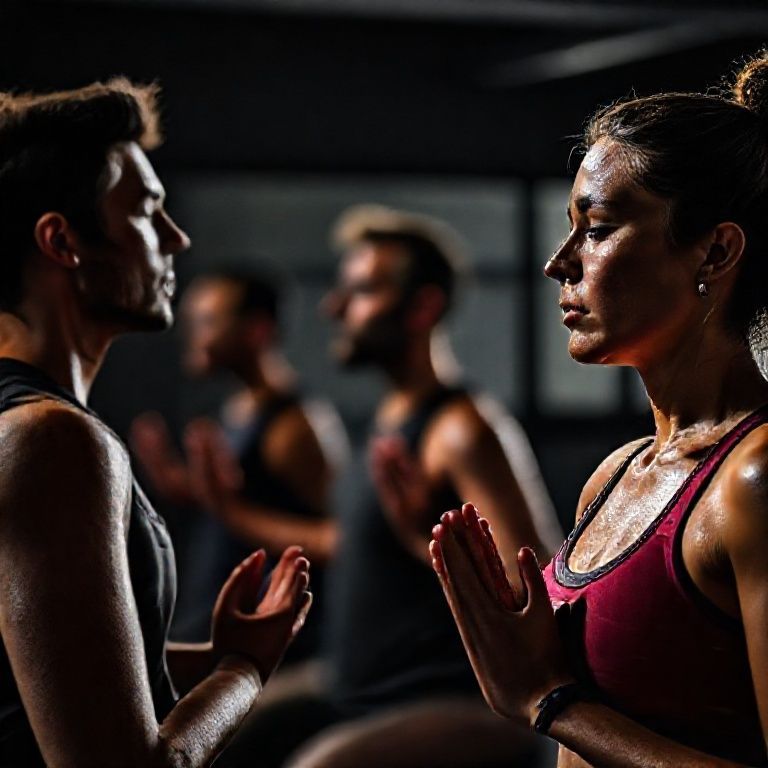
breathing exercises before workouts

Introduction
As you prepare to hit the gym or take on your favorite outdoor activity, it’s easy to get caught up in the excitement and forget one of the most essential components of a successful workout: breathing. Breathing exercises before workouts have long been touted as a key component of optimal performance, but what exactly do these exercises entail, and how can they help you perform at your best? By incorporating simple yet powerful breathing techniques into your pre-workout routine, you can unlock improved endurance, increased energy, and enhanced overall athletic performance.
The benefits of breathing exercises before workouts are multifaceted. Not only can they help calm the nervous system and reduce anxiety, but they can also increase oxygen flow to the muscles, allowing for more efficient energy production during exercise. By focusing on specific breathing patterns, such as deep diaphragmatic breathing or box breathing, you can signal to your body that it’s time to prepare for physical activity.
In this article, we’ll delve into the world of breathing exercises before workouts, exploring the most effective techniques, tips for incorporating them into your routine, and the science behind their benefits. Whether you’re a seasoned athlete or just starting out on your fitness journey, understanding how to harness the power of breathing can help take your performance to the next level.

The Benefits of Breathing Exercises Before Workouts
Breathing exercises before workouts have been shown to improve athletic performance and reduce the risk of injury. By incorporating breathing exercises into your pre-workout routine, you can enhance your physical performance and overall well-being.
Reducing Stress and Anxiety
Stress and anxiety can be major barriers to a successful workout. Breathing exercises can help calm the mind and body, allowing you to focus on your exercise routine. Research has consistently shown that regular breathing practice can lead to reduced symptoms of stress and anxiety in both athletes and non-athletes.
Enhanced Physical Performance
Breathing exercises have also been found to improve physical performance by increasing oxygenation of the muscles, reducing lactic acid buildup, and enhancing endurance. By optimizing your breathing technique before a workout, you can perform at a higher intensity for longer periods.
Increased Coordination and Balance
Breathing exercises can also help improve coordination and balance by stimulating the nervous system and enhancing proprioception (the ability to sense the position and movement of your body). This can be particularly beneficial for athletes who require quick movements or rapid changes in direction.
Step-by-Step Breathing Exercises for Before Workouts
Warm-Up Breathing Exercise: Diaphragmatic Breathing
To start, find a comfortable standing or sitting position. Place one hand on your belly and the other on your chest. Take slow, deep breaths through your nose, allowing your belly to rise as you inhale. Your chest should not move.
1. Inhale for 4-5 seconds
2. Hold your breath for 2-3 seconds
3. Exhale slowly through your mouth for 4-5 seconds
4. Repeat for 5-10 minutes
Cooling Down Breathing Exercise: Alternate Nostril Breathing
Alternate nostril breathing is a yoga-inspired technique that can help calm the nervous system.
1. Close one nostril with your finger and inhale through the other.
2. Switch nostrils and exhale through the closed nostril.
3. Repeat on the other side.
4. Continue for 5-10 minutes
Additional Tips
Stay Hydrated
Drink water or a sports drink before, during, and after your workout to stay hydrated and perform at your best.
Set a Timer
Use a timer to ensure you’re completing your breathing exercises for the full recommended time.
Mix It Up
Experiment with different breathing techniques, such as box breathing or 4-7-8 breathing, to find what works best for you.
Conclusion
Incorporating breathing exercises into your pre-workout routine can have numerous benefits, from reducing stress and anxiety to improving physical performance. By following these simple steps, you can enhance your workout experience and reach your fitness goals. Remember to stay hydrated, set a timer, and mix up your breathing techniques to optimize your results.


Conclusion
Incorporating breathing exercises into your pre-workout routine can have a profound impact on both physical performance and mental preparation. By taking just a few minutes to focus on your breath, you can calm your nervous system, increase oxygen flow, and access more energy. So, next time you’re getting ready to hit the gym or take on a challenging workout, remember to pause for a few deep breaths before you start moving. Take control of your breathing, and unlock a stronger, more resilient you.
Here are five concise FAQ pairs for “breathing exercises before workouts”:
Q: What is the purpose of breathing exercises before a workout?
A: Breathing exercises help prepare your body for physical activity by increasing oxygen flow, reducing stress, and improving focus.
Q: How often should I do breathing exercises before a workout?
A: Aim to do 2-3 sets of deep breathing exercises 5-10 minutes before your workout to allow the benefits to take effect.
Q: Can I use any type of breathing exercise before a workout?
A: No, research suggests that diaphragmatic breathing (also known as belly breathing) is most effective for athletes. Try inhaling deeply through your nose and exhaling slowly through your mouth.
Q: Will breathing exercises help me perform better during my workout?
A: Yes, improved breathing can enhance endurance, reduce fatigue, and increase overall performance. It’s especially helpful for high-intensity interval training (HIIT) workouts.
Q: Are there any specific breathing patterns I should avoid before a workout?
Here’s a short quiz on breathing exercises before workouts:
Question 1: What is the primary purpose of deep breathing exercises before a workout?
A) To warm up the muscles
B) To increase oxygen flow to the body
C) To reduce stress and anxiety
Show answer
Answer: B) To increase oxygen flow to the body
Question 2: Which type of breathing exercise is best suited for high-intensity workouts?
A) Diaphragmatic breathing (bellows breath)
B) Nasal breathing (simple inhale-exhale)
C) Chest breathing (shallow inhale-exhale)
Show answer
Answer: A) Diaphragmatic breathing (bellows breath)
Question 3: Why is it recommended to breathe in for a longer duration than exhaling before a workout?
A) To fill the lungs completely with oxygen
B) To slow down the heart rate and conserve energy
C) To increase blood pressure and stimulate muscles
Show answer
Answer: A) To fill the lungs completely with oxygen
Question 4: What is the benefit of practicing breathing exercises regularly, especially for endurance athletes?
A) Improved muscle strength and power
B) Enhanced cardiovascular performance
C) Increased lung capacity and efficiency
Show answer
Answer: C) Increased lung capacity and efficiency





This is pure gold! This was really helpful.
You explained this so clearly. Thank you! Looking forward to more content like this.
Interesting perspective. Excellent work as always!
I love how you break down complex topics. Looking forward to more content like this.