
Breathing Exercises Before Workout: 5 No‑Go Moves that Sabotage Results

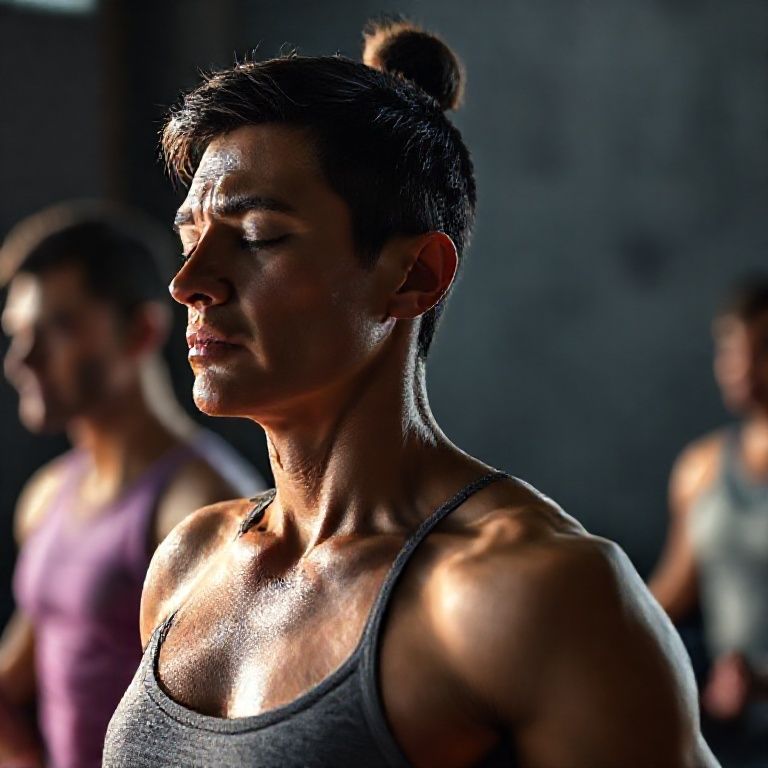
breathing exercises before workout

Introduction
As you prepare to hit the gym or embark on your next fitness adventure, incorporating breathing exercises into your pre-workout routine can be a game-changer for your overall performance and well-being. While many of us focus solely on the physical aspects of exercise, such as our cardiovascular endurance and muscle strength, neglecting the importance of proper breathing techniques can have serious consequences on our body’s ability to adapt to the demands of physical activity. By incorporating simple yet effective breathing exercises into your pre-workout routine, you can significantly improve your athletic performance, reduce stress and anxiety, and even enhance your overall sense of well-being.
Breathing exercises before a workout are not just a myth or an old wives’ tale; in fact, they have been shown to have a profound impact on our body’s physiological response to physical activity. When we engage in breathing exercises, such as diaphragmatic breathing, alternate nostril breathing, or box breathing, we can activate the parasympathetic nervous system, which helps to calm the body and mind, reducing stress and anxiety levels. This, in turn, allows us to access our optimal energy state, perform at a higher intensity, and recover more efficiently.
In this article, we will explore the benefits of incorporating breathing exercises into your pre-workout routine, including how to do them effectively, when to start doing them, and how they can be tailored to suit individual needs and preferences. We’ll also examine some of the most popular breathing techniques used by athletes and fitness enthusiasts, and provide tips on how to incorporate these exercises seamlessly into your existing workout routine.

Benefits of Breathing Exercises Before Workout
Breathing exercises before a workout can have a significant impact on performance and overall fitness. By incorporating breathing exercises into your pre-workout routine, you can improve your oxygen intake, reduce stress and anxiety, and enhance your physical performance.
Why Breathing Exercises Matter
Breathing exercises can help increase oxygen flow to the muscles, which is essential for high-intensity activities like running or weightlifting (1). Proper breathing technique can also help regulate the body’s response to exercise, reducing the risk of injury and improving overall athletic performance. Additionally, deep breathing has been shown to reduce stress and anxiety, which can be beneficial for athletes who experience performance anxiety.
Preparing Your Body for Exercise
To get the most out of your breathing exercises before a workout, follow these steps:
Step 1: Find a Quiet Space
Find a quiet space where you can sit comfortably without distractions. This will help you focus on your breathing and relax your body. Consider using a meditation room, yoga studio, or even a peaceful outdoor spot.
Step 2: Sit Comfortably
Sit in a chair with your back straight and feet planted firmly on the ground. You can also try sitting on a bench or mat on the floor, or even use a balance ball to engage your core muscles. Make sure you’re comfortable enough to relax and focus on your breathing.
Step 3: Close Your Eyes
Close your eyes and take a few deep breaths to calm your mind and body. This will help you quiet your thoughts and tune into your breath, allowing you to access the full benefits of your breathing exercises.
Breathing Exercises for Beginners
If you’re new to breathing exercises, start with simple techniques like diaphragmatic breathing. To practice diaphragmatic breathing:
Step 1: Lie on Your Back
Lie on your back with your knees bent and feet planted firmly on the ground. This will help you relax your lower body and engage your core muscles.
Step 2: Place One Hand on Your Belly
Place one hand on your belly and the other on your chest. Inhale deeply through your nose, allowing your belly to rise as your diaphragm descends. You should feel your stomach expanding outward as you breathe in.
Step 3: Exhale Slowly
Exhale slowly through your mouth, allowing your belly to fall as your diaphragm rises. Your hand on your chest should move inward as you exhale, while the hand on your belly moves outward.
Advanced Breathing Exercises
Once you’re comfortable with diaphragmatic breathing, try more advanced techniques like alternate nostril breathing or box breathing. To practice alternate nostril breathing:
Step 1: Sit Comfortably
Sit comfortably with your back straight and feet planted firmly on the ground. You can use a meditation cushion or chair for support.
Step 2: Close One Nostril
Close one nostril with your finger and inhale deeply through the other nostril. Focus on the sensation of the breath moving in and out of your body, feeling the air fill your lungs and then release.
Step 3: Switch Nostrils
Switch nostrils and exhale slowly through the closed nostril. This will help you balance the flow of oxygen to both sides of your brain and promote a sense of calm and focus.
For more information on breathing exercises, check out these resources:
Anchor (American Council on Exercise) – Breathing Exercises for Athletes
Learn how to incorporate breathing exercises into your workout routine with this comprehensive guide from the American Council on Exercise.
Anchor (Harvard Health Publishing) – the Benefits of Deep Breathing
Discover the benefits of deep breathing and learn simple techniques to reduce stress and improve overall health.


Conclusion
Incorporating breathing exercises into your pre-workout routine can significantly enhance your overall fitness experience. By taking just a few minutes to focus on deep, controlled breaths, you can increase oxygen flow to the muscles, boost energy levels, and even reduce stress and anxiety. Make breathing exercises a non-negotiable part of your workout prep – take 2-3 minutes each morning or evening to breathe, relax, and set yourself up for success.
Here are five concise FAQ pairs for “breathing exercises before workout”:
Q: What is the purpose of breathing exercises before a workout?
A: Breathing exercises help prepare your body for physical activity by increasing oxygen flow, reducing stress, and improving focus.
Q: How often should I do breathing exercises before a workout?
A: It’s recommended to practice breathing exercises 5-10 minutes before your workout to allow your body to adjust and feel more relaxed.
Q: Can deep breathing exercises help prevent injury during exercise?
A: Yes, proper breathing techniques can help reduce muscle tension, improve balance, and prepare you for physical demands, reducing the risk of injury.
Q: Do I need to be a yoga expert or have any specific training to do breathing exercises before a workout?
A: No, basic breathing exercises such as diaphragmatic breathing, box breathing, or alternate nostril breathing are accessible to everyone, regardless of experience level.
Q: Are there any specific breathing techniques that I should avoid doing before exercise?
Here’s a short quiz for “Breathing Exercises Before Workout”:
Question 1: What is the primary purpose of deep breathing exercises before a workout?
A) To increase heart rate
B) To relax the mind and body
C) To prepare the lungs for maximum oxygen intake
Show answer
Answer: B) To relax the mind and body
Question 2: Which type of breathing exercise involves taking slow, deep breaths through the nose and exhaling slowly through the mouth?
A) Box breathing
B) Alternate Nostril Breathing
C) Diaphragmatic breathing
Show answer
Answer: C) Diaphragmatic breathing
Question 3: What is the benefit of practicing breathing exercises before a workout in terms of physical performance?
A) Increased muscle strength
B) Improved cardiovascular endurance
C) Enhanced mental focus and concentration
Show answer
Answer: B) Improved cardiovascular endurance
Question 4: Which breathing exercise involves rapidly alternating between two nostrils to balance the left and right hemispheres of the brain?
A) Kapalabhati breathing
B) Bhastrika breathing
C) Alternate Nostril Breathing
Show answer
Answer: C) Alternate Nostril Breathing





Great article! Thanks for sharing this valuable information. This was really helpful.
This is so useful! bookmarking for future reference.