
Bed Linen Care Routine: 13 Space Sins that Waste Time


bed linen care routine

Introduction
As we begin each new day, our beds are often the last place on our minds – until it’s time to change into fresh clothes and face the world outside. However, the state of our bed linens can have a significant impact on how refreshed and rejuvenated we feel. A well-maintained bed linen care routine is essential for maintaining cleanliness, hygiene, and the overall comfort of our sleeping environment. By incorporating simple habits into your daily or weekly routine, you can keep your bed linens in pristine condition and wake up feeling revitalized.
A good bed linen care routine involves a combination of washing, drying, and ironing to ensure that your sheets, pillowcases, and duvet covers are always clean and hygienic. This may seem like a mundane task, but it’s crucial for preventing the buildup of dirt, sweat, and body oils that can lead to unpleasant odors and skin irritations.
In this article, we’ll explore the importance of a bed linen care routine and provide you with practical tips and advice on how to keep your bedding clean, fresh, and in excellent condition. From selecting the right fabrics to choosing the best washing methods, we’ll cover everything you need to know to create a comprehensive routine that will make you sleep better and feel more refreshed every morning.
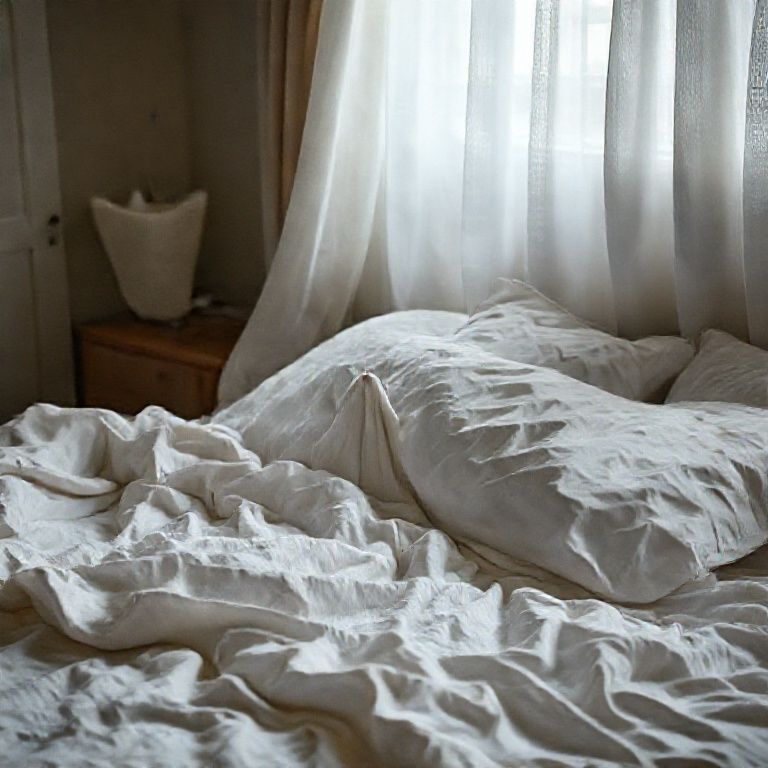
Bed Linen Care Routine: a Comprehensive Guide
Understanding the Importance of Bed Linen Care
Proper bed linen care is essential for maintaining cleanliness, hygiene, and comfort in your bedroom. Dirty or worn-out bed linens can harbor dust mites, allergens, and bacteria, leading to respiratory issues and skin irritation. By following a simple yet effective bed linen care routine, you can keep your bedding fresh, clean, and healthy.
Washing Bed Linen
Pre-Treatment and Washing Cycle
Before washing your bed linens, check the care label for specific instructions. If it’s made of natural fibers like cotton or linen, follow these steps:
1. Pre-treat any stains or spots with a mild detergent specifically designed for washing bedding.
2. Wash the bed linens in hot water (at least 130°F) to kill dust mites and bacteria. This temperature ensures that the washing process is thorough and effective.
3. Use a mild detergent that’s designed for washing bedding, rather than regular laundry detergent.
Drying and Ironing
1. Dry the bed linens on high heat to prevent moisture buildup and reduce wrinkles. High heat helps to kill any remaining dust mites or bacteria.
2. Remove the bed linen from the dryer as soon as it’s dry, while it’s still slightly damp. This prevents wrinkles and creases from setting in.
3. Hang the bed linen in a well-ventilated area to air dry completely. Avoid drying bed linens indoors, as this can trap moisture and lead to mold or mildew.
Drying and Folding
Drying Bed Linens
To Prevent Shrinkage and Maintain the Shape of Your Bed Linens:
1. Dry flat sheets and pillowcases separately from other bedding items. This prevents them from getting tangled or misshapen.
2. Iron out wrinkles while the bed linen is still slightly damp, using a steam iron for best results.
Folding Bed Linens
To store bed linens neatly and keep them organized:
1. Fold fitted sheets in half lengthwise, then fold them in half again to create a compact shape.
2. Roll up flat sheets and pillowcases tightly to prevent creasing or wrinkles.
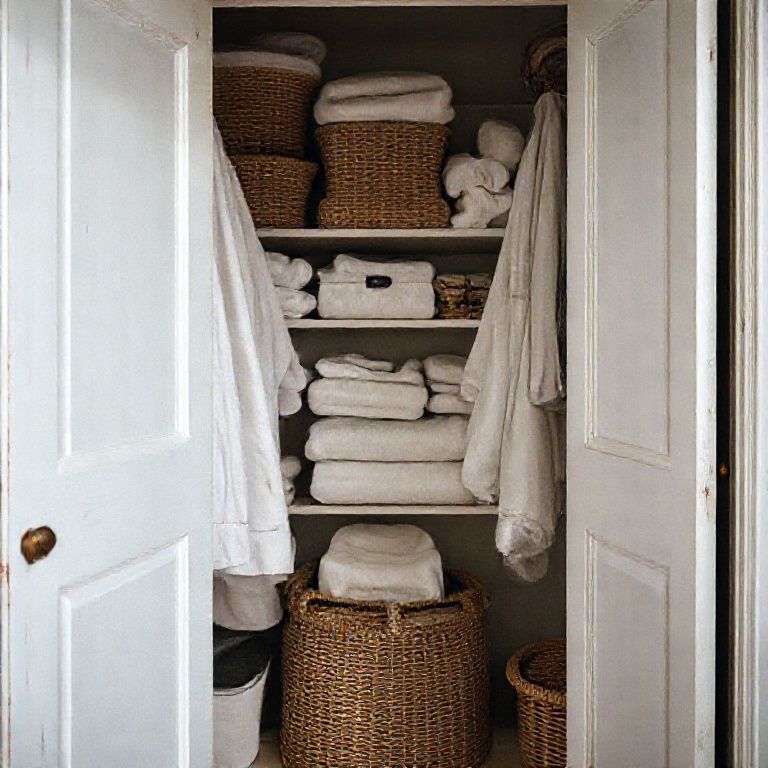
3. Store bed linens in a breathable container or bag made of natural fibers like cotton or linen.
Tips for Maintaining Bed Linen Hygiene
Regular Cleaning
Wash your bed linens regularly, ideally every 1-2 weeks, depending on usage. This frequency helps to prevent the buildup of dust mites and allergens.
Dryer Sheets
Use dryer sheets to reduce static cling and make ironing easier. These sheets can also help to repel dust mites and other allergens.
Vacuuming Mattress
Vacuum your mattress regularly to remove dust mites, allergens, and skin cells. This helps to create a cleaner and healthier sleeping environment.
Additional Tips
Use a Bed Linen Freshener
Use a bed linen freshener or fabric refresher to keep your bedding smelling clean and fresh between washes.
Wash Bed Sheets in Hot Water
Wash bed sheets in hot water (at least 130°F) every week to kill dust mites and bacteria. This frequency helps to maintain cleanliness and hygiene.
Conclusion
By following this bed linen care routine, you can keep your bedding clean, fresh, and hygienic. Remember to wash, dry, fold, and store your bed linens properly to maintain their quality and extend their lifespan.
References:
Anchor – “The Importance of Bed Linen Care for Better Sleep”
Anchor – “How to Wash and Dry Bed Linen Like a Pro”

Conclusion
In maintaining the cleanliness and longevity of your bed linen, it’s essential to establish a consistent care routine. By washing, drying, and ironing your bedding regularly, you can prevent the buildup of dust mites, stains, and odors. A simple yet effective routine involves checking for visible stains before washing, using cold water, and avoiding over-drying, which can cause wear and tear on fabrics.
To make a positive impact on your bed linen care routine, consider implementing these habits into your daily or weekly schedule:
– Set aside a specific day each week to wash and iron your bedding
– Use eco-friendly detergent and fabric softener options
– Dry clothes in well-ventilated areas to prevent moisture buildup
By following this simple routine, you can enjoy clean, fresh-smelling bed linen that promotes better sleep quality.
Here are five concise FAQ pairs for a bed linen care routine:
Q: How often should I wash my bed sheets?
A: It’s recommended to wash your bed sheets once a week, or more frequently if you sweat a lot at night or have pets that sleep on the bed.
Q: Can I use fabric softener on my bed linens?
A: No, it’s best not to use fabric softener on your bed linens as it can leave a residue that affects breathability and moisture-wicking properties.
Q: How do I remove stubborn stains from my bed sheets?
A: Pre-treat any stains with a stain remover or soap, then wash the sheets in cold water. For tougher stains, repeat the process until the stain is gone.
Q: Can I dry my bed linens on high heat?
A: No, it’s best to dry your bed linens on low heat or air dry them to prevent shrinkage and damage to the fabric.
Q: How do I keep my bed sheets looking their best?
Here’s a short quiz for ‘bed linen care routine’:
Question 1: How often should you wash your bed sheets?
A) Every day
B) Every week
C) Every two weeks
Show answer
Answer: B) Every week
Question 2: What is the best way to remove stubborn stains from bed sheets?
A) Machine washing with hot water and detergent
B) Hand washing with cold water and mild soap
C) Soaking in a solution of equal parts water and white vinegar
Show answer
Answer: C) Soaking in a solution of equal parts water and white vinegar
Question 3: How can you prevent wrinkles in your bed sheets?
A) Using fabric softener and dryer sheets
B) Ironing while still slightly damp
C) Hanging them up to air dry
Show answer
Answer: B) Ironing while still slightly damp
Question 4: What is the best way to store clean bed sheets before putting them on the bed?
A) In a hot dryer for several hours
B) In a breathable storage bag or mesh laundry basket
C) In a humid environment with high moisture levels
Show answer
Answer: B) In a breathable storage bag or mesh laundry basket






Well written! Excellent post! I learned something new today.
Really enjoyed reading this. keep up the great work!
Thanks for this post. This post answered all my questions. Thank you!
You explained this so clearly. Thank you! Great post!
You have a gift for explaining things clearly.
Interesting perspective. I never thought about it this way. Great post!