
Agility Ladder Drills For Footwork: 9 Smart Steps to Make It Easier

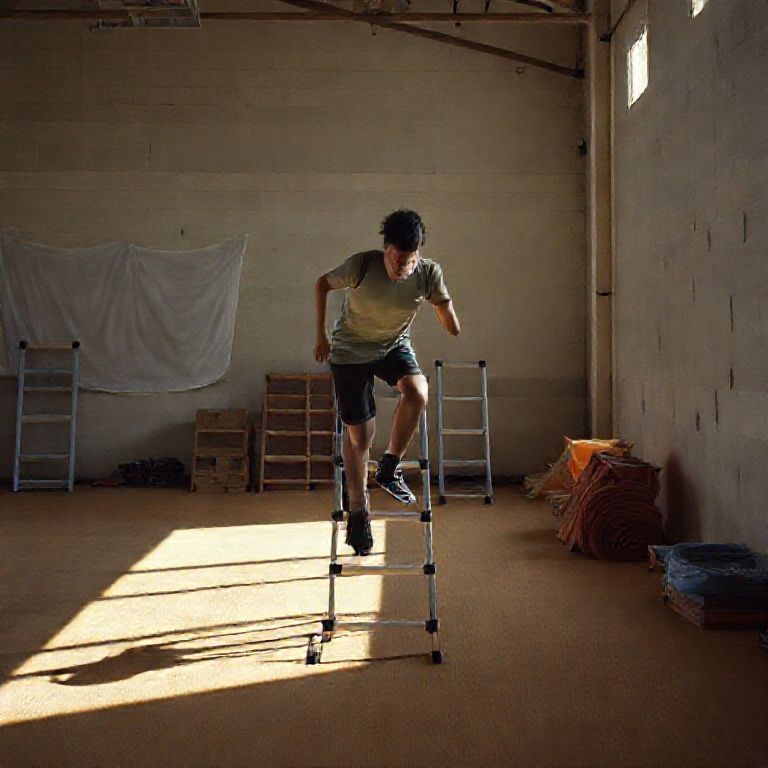
agility ladder drills for footwork
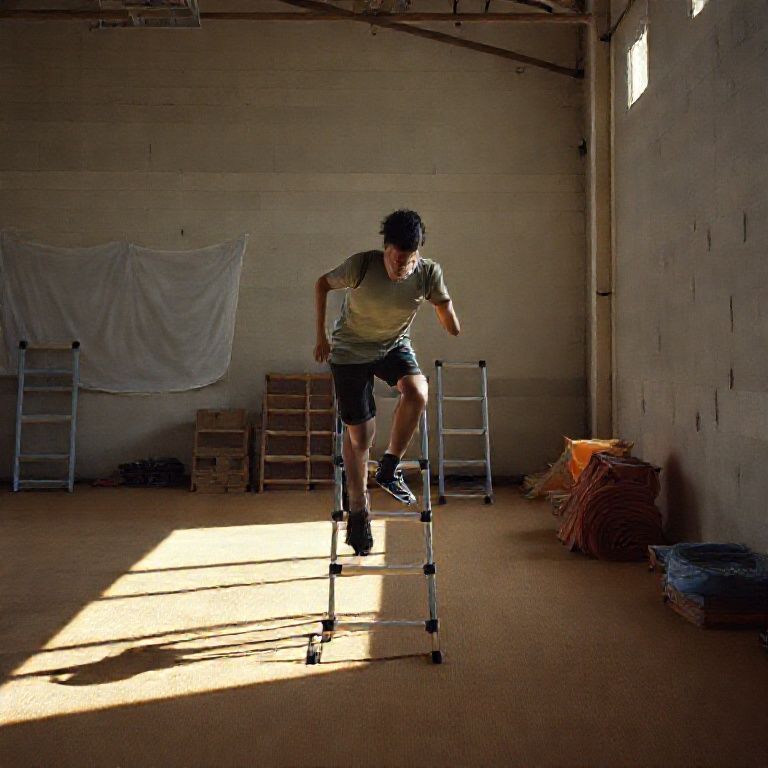
Introduction
As athletes and fitness enthusiasts look to improve their overall performance on the field or court, incorporating agility ladder drills into their training regimen has become a staple of modern sports coaching. By utilizing these versatile tools, individuals can enhance their speed, agility, quickness, and reaction time – all essential components for success in various sports. Agility ladder drills for footwork are particularly effective at teaching athletes to quickly change direction, accelerate, and decelerate while maintaining balance and control.
One of the key benefits of incorporating agility ladder drills into your training is that they can be tailored to suit specific skill levels and goals. Whether you’re a professional athlete or an amateur looking to improve your fitness, there’s an agility ladder drill out there designed to challenge and engage you. From basic footwork patterns like high knees and lateral shuffles to more advanced movements like figure-eights and carioca drills, the possibilities are endless.
In this article, we’ll explore the world of agility ladder drills for footwork in depth, discussing the benefits, types, and best practices for incorporating these exercises into your training routine. From beginner-friendly drills to advanced techniques, we’ll cover it all – so whether you’re a seasoned athlete or just starting out on your fitness journey, keep reading to learn more about how agility ladder drills can help take your footwork to the next level.

Agility Ladder Drills for Footwork: Improving Speed and Agility
Benefits of Agility Ladder Drills
Agility ladder drills are a highly effective way to improve footwork, speed, and agility in various sports and activities. By incorporating these drills into your training regimen, you can enhance your ability to quickly change direction, accelerate, and decelerate. This, in turn, can give you a competitive edge on the field or court.
Getting Started with Agility Ladder Drills
Before starting any agility ladder drill program, it’s essential to warm up properly to prevent injuries. A 5-10 minute dynamic warm-up consisting of light cardio and mobility exercises will prepare your muscles for the upcoming drills.
Step-by-Step Instructions for Basic Drill: “Ickey Shuffle”
1. Set up an agility ladder on the ground, with the rungs facing you.
2. Start by standing in front of the ladder with your feet shoulder-width apart.
3. Take a small step to one side and then bring the other foot to meet it, mimicking a shuffle motion.
4. Quickly repeat this process, alternating sides and moving your feet rapidly through the ladder.
5. Continue for 30-60 seconds, resting for 15-30 seconds between sets.
Advanced Drill: “Carioca Drill”
1. Begin by standing in front of the ladder with your feet together.
2. Take a large step to one side while keeping your back foot planted on the ground.
3. As you transfer your weight onto your front foot, quickly bring your back foot through the ladder and meet it with your front foot.
4. Repeat this process, alternating sides and moving your feet rapidly through the ladder in a zig-zag pattern.
Intermediate Drill: “Lateral Shuffle”
1. Set up an agility ladder on the ground, with the rungs facing you.
2. Start by standing in front of the ladder with your feet shoulder-width apart.
3. Take small steps to one side and then bring the other foot to meet it, mimicking a lateral shuffle motion.
4. Quickly repeat this process, alternating sides and moving your feet rapidly through the ladder.
5. Continue for 30-60 seconds, resting for 15-30 seconds between sets.
Advanced Drill: “Hill Sprints”
1. Set up an agility ladder on a slight incline or hill.
2. Start by standing at the bottom of the hill with your feet shoulder-width apart.
3. Take small steps up the hill while maintaining quick foot speed.
4. As you reach the top, quickly step back down through the ladder and repeat the process.
5. Continue for 30-60 seconds, resting for 15-30 seconds between sets.
Tips for Effective Agility Ladder Drills
Focus on quick, light foot movements to maintain speed and agility.
Keep your knees slightly bent to reduce stiffness and improve balance.
Use visual cues or music to increase your intensity and motivation.
For more advanced training, consider incorporating plyometric exercises into your agility ladder drills. Plyometrics involve explosive movements that can help improve power and explosiveness (1).
Conditioning Drill: “Agility Circuit”
1. Set up an agility ladder on the ground, with the rungs facing you.
2. Create a circuit of 5-10 stations, each featuring a different agility ladder drill (e.g. Ickey Shuffle, Carioca Drill, Lateral Shuffle).
3. Complete each station in sequence, resting for 15-30 seconds between stations.
4. Repeat the circuit for 20-30 minutes, resting for 1-2 minutes between sets.
Conclusion
Agility ladder drills are a versatile and effective way to improve footwork, speed, and agility in various sports and activities. By following the step-by-step instructions outlined above, you can incorporate these drills into your training regimen and see significant improvements in your performance.
For more information on agility training and plyometric exercises, consult with a qualified coach or trainer. They can provide personalized guidance and help you create a customized training program tailored to your specific needs and goals (2).
References:
1. American Council on Exercise. (2018). ACE’s Essentials of Exercise Science for Fitness Professionals.
2. National Strength and Conditioning Association. (2020). Essentials of Personal Fitness Training.
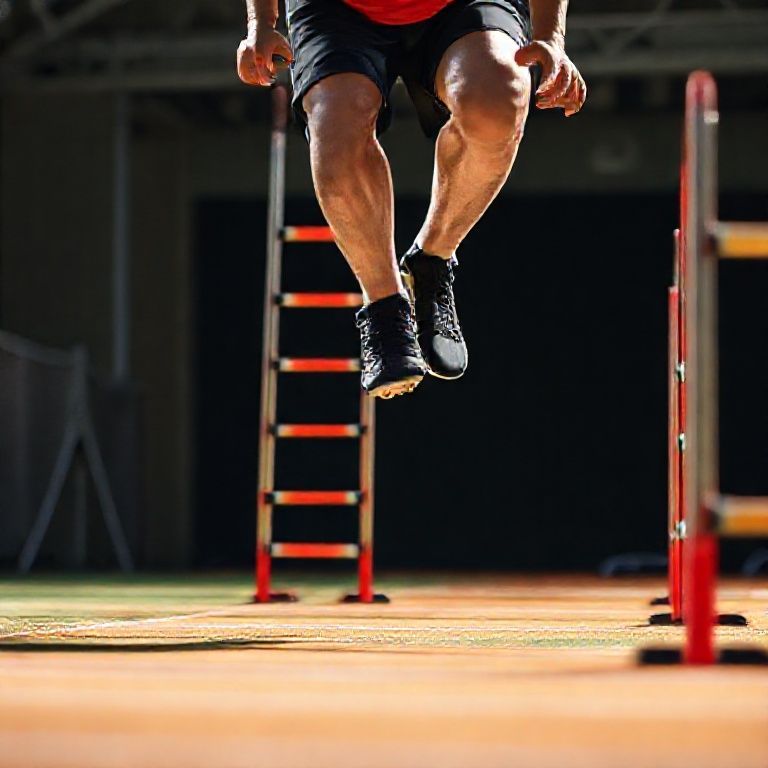
Conclusion
In conclusion, incorporating agility ladder drills into your training regimen can significantly enhance your footwork skills and overall athleticism. By practicing these exercises regularly, you’ll improve your speed, agility, and reaction time, allowing you to navigate the field with greater ease and effectiveness. To take your footwork to the next level, commit to a consistent practice schedule and explore different ladder drills tailored to your position or sport of choice. With dedication and persistence, you’ll unlock the full potential of your feet and become a more dominant force on the field.
Here are five concise FAQ pairs for agility ladder drills for footwork:
Q: What is the purpose of agility ladder drills in footwork training?
A: Agility ladder drills improve speed, agility, and quickness by challenging players to change direction quickly and make precise movements.
Q: How do I choose the right size agility ladder for my training needs?
A: Choose an agility ladder that is at least 24 inches long and has 8-12 rungs. This will provide enough space to perform various drills without being too restrictive or cumbersome.
Q: What are some basic footwork movements that can be done with an agility ladder?
A: Basic footwork movements include lateral shuffles, high knees, carioca drills (alternating feet), and box jumps (jumping over the ladder’s rungs).
Q: How often should I practice agility ladder drills to see improvements in my footwork?
A: To see noticeable improvements in footwork, practice agility ladder drills 2-3 times per week, with a minimum of 10-15 repetitions for each drill.
Q: Are there any safety precautions I need to take when using an agility ladder during training?
Here’s a short quiz for agility ladder drills for footwork:
Question 1: What is the primary purpose of using an agility ladder in footwork training?
A) To improve balance and coordination
B) To increase speed and power
C) To enhance agility and quickness
Show answer
Answer: C) To enhance agility and quickness
Question 2: Which foot movement is commonly used in ladder drills to mimic a cutting motion?
A) Lateral shuffle
B) Forward lunge
C) Inside-outside shuffle
Show answer
Answer: C) Inside-outside shuffle
Question 3: What should be the focus of an athlete’s foot placement when performing ladder drills?
A) Speed and power
B) Balance and control
C) Weight transfer and stability
Show answer
Answer: B) Balance and control
Question 4: Which drill is typically used to improve agility by requiring quick changes of direction?
A) High knees with ladder
B) Lateral shuffles with ladder
C) Figure-eights with ladder
Show answer
Answer: C) Figure-eights with ladder






Great article! Your insights are always spot-on.
This helped me solve my problem. Thank you so much! Great post!