
Acne Spot Treatment: 6 Red Flags you Must Avoid


acne spot treatment

Introduction
When it comes to tackling acne, one of the most effective ways to combat breakouts is by targeting the affected area directly. Acne spot treatment has become a go-to solution for individuals looking to reduce inflammation and promote healing in specific areas of their skin. This targeted approach allows for a more precise application of products and treatments, minimizing the risk of irritating surrounding skin or causing dryness.
For many people, acne can be a frustrating and persistent issue, with breakouts appearing seemingly at random. However, by focusing on spot treatment, individuals can regain control over their skin and start to see noticeable improvements in just a few days. Acne spot treatments come in various forms, including creams, gels, and serums, each designed to tackle specific aspects of acne, such as redness, inflammation, or blackheads.
In this article, we will delve into the world of acne spot treatment, exploring the different types of products available, how they work, and what to look for when selecting a treatment. We’ll also discuss the best practices for applying acne spot treatments and provide tips for incorporating them into your existing skincare routine.

Effective Acne Spot Treatment: a Comprehensive Guide
Understanding Acne Spot Treatment
Acne spot treatment is a crucial part of managing acne-prone skin. It involves applying targeted treatments directly to individual pimples or areas of congestion to reduce inflammation, prevent scarring, and promote healing. The goal of acne spot treatment is to address the root cause of acne – clogged pores and bacterial growth – while minimizing the risk of irritation and dryness.
Choosing the Right Acne Spot Treatment
When Selecting an Acne Spot Treatment, Consider the Following Factors:
Active Ingredients
Look for products containing active ingredients such as benzoyl peroxide (2.5% or higher), salicylic acid (0.5% or higher), or sulfur (3% or higher). These ingredients help kill bacteria, reduce inflammation, and unclog pores.
Moisturizing Properties
Opt for products with moisturizing properties to prevent dryness and irritation. Hyaluronic acid, glycerin, and niacinamide can help soothe and hydrate the skin while reducing acne severity.
PH Level
Choose products with a pH level close to the skin’s natural pH (around 5.5) to minimize irritation and dryness.
Step-by-Step Acne Spot Treatment Guide
Follow these steps to effectively treat individual pimples:
1. Cleanse your face: Wash your face with a gentle cleanser to remove dirt, oil, and makeup.
2. Dry your face: Pat dry your face with a clean towel, paying extra attention to the affected area.
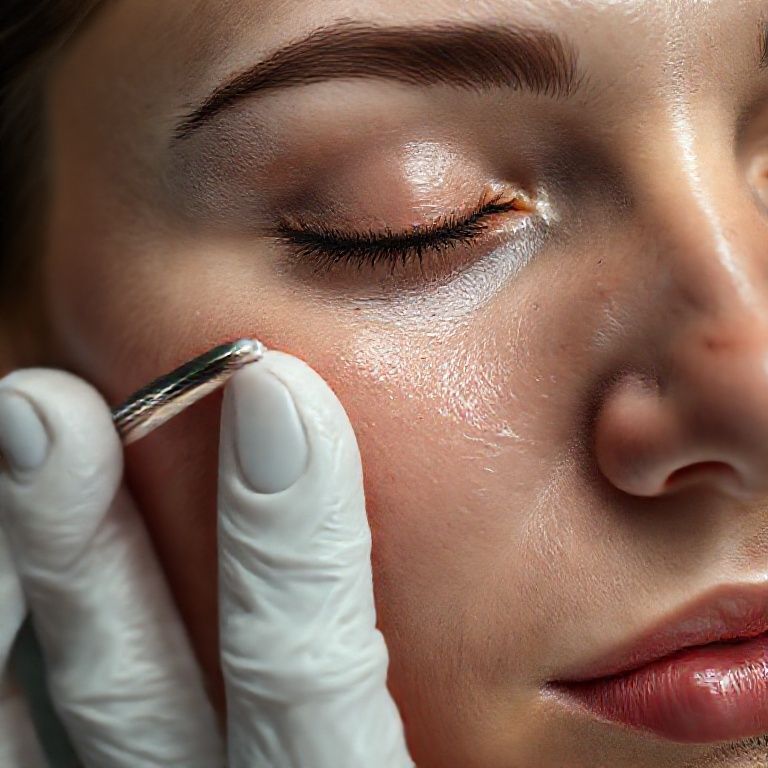
3. Apply a spot treatment: Dab a small amount of acne spot treatment onto the individual pimple or area of congestion using a cotton swab or applicator.
4. Leave it on: Allow the product to work its magic for 15-30 minutes before rinsing off with lukewarm water.
5. Moisturize: Apply a gentle moisturizer to hydrate and soothe the skin.
Additional Tips
Be Patient
Acne spot treatment can take time, so be patient and consistent with your routine. It may take 2-4 weeks to see noticeable results.
Avoid Popping or Squeezing
Resist the temptation to pop or squeeze individual pimples, as this can lead to further inflammation, scarring, and prolonged healing times. Instead, focus on treating the pimple from the outside in.
Use Gentle Products
Opt for gentle products that are formulated for sensitive skin to minimize irritation and dryness. Look for products labeled “hypoallergenic” or “fragrance-free” if you have sensitive skin.
Consider Professional Help
If your acne is severe, persistent, or accompanied by scarring, consider consulting a dermatologist for personalized advice and treatment.
References
Anchor (National Institute of Health: nih.gov) – The National Institute of Health provides comprehensive information on acne, including its causes, symptoms, and treatment options.
Anchor (American Academy of Dermatology: aad.org) – The American Academy of Dermatology offers expert advice on acne treatment, including spot treatments and prevention strategies.

Conclusion
In conclusion, acne spot treatment is an essential step in managing and reducing acne breakouts. By targeting specific areas of congestion, these treatments can help to reduce inflammation, kill bacteria, and promote healing. For those struggling with acne, incorporating effective spot treatments into their skincare routine can make a significant difference. We encourage you to take control of your skin health by consulting with a dermatologist or skincare professional to find the best spot treatment for your individual needs.
Here are five concise FAQ pairs for acne spot treatment:
Q: What is the best way to apply acne spot treatment?
A: Gently squeeze out a small amount of product and apply it directly to the affected area using a cotton swab or your finger.
Q: How often should I use acne spot treatment?
A: Use spot treatment as needed, typically 1-3 times a day, depending on the severity of your acne. Always follow the product’s instructions for frequency and amount used.
Q: Can I mix my own acne spot treatment at home?
A: While it may be tempting to create your own spot treatment, it’s generally not recommended. Homemade remedies can be unpredictable and may irritate your skin further. Instead, use products specifically designed for acne treatment.
Q: Will acne spot treatment clog my pores?
A: If you have oily skin, using spot treatment too frequently or with heavy products can clog your pores. Look for lightweight, oil-free products labeled “non-comedogenic” or “oil-free” to minimize the risk of clogging.
Q: Can I use acne spot treatment on sensitive skin?
Here is a short quiz for acne spot treatment:
1. What is the primary ingredient in benzoyl peroxide-based products used to treat acne spots?
A) Salicylic acid
B) Tea tree oil
C) Benzoyl peroxide
Show answer
Answer: C) Benzoyl peroxide
2. Which of the following best describes the effect of using a spot treatment containing sulfur on an active acne lesion?
A) It will dry out and flake off
B) It will reduce inflammation and prevent scarring
C) It will cause more oil production
Show answer
Answer: B) It will reduce inflammation and prevent scarring
3. What is the purpose of using a spot treatment with hydrocortisone on an acne lesion?
A) To dry out the area
B) To increase blood flow to the area
C) To reduce inflammation and itching
Show answer
Answer: C) To reduce inflammation and itching
4. Which of the following is NOT a recommended ingredient in a spot treatment for acne?
A) Tea tree oil
B) Salicylic acid
C) Fragrances
Show answer
Answer: C) Fragrances




Thank you for this detailed explanation. Much appreciated! Keep up the good work!
Interesting perspective. Never considered this angle before. Mind-blowing!
Really enjoyed reading this. Keep up the great work! Thanks for sharing!
Thank you for taking the time to write this!