
lifestyle photography: 12 Stunning Lifestyle Photography Tips for Perfect Photos

Table of Contents
- What Exactly is Lifestyle Photography?
- The Core Benefits of Mastering Lifestyle Photography
- 12 Stunning Lifestyle Photography Tips for Perfect Photos
- Technical Comparison: Gear and Settings
- Common Challenges and How to Overcome Them
- Common Mistakes to Avoid
- Expert Tips for Professional Success
- Conclusion
- Frequently Asked Questions (FAQ)
Lifestyle Photography: 12 Stunning Tips for Capturing Perfect, Authentic Moments
Have you ever looked at a photograph and felt an immediate emotional connection? It wasn’t just because the colors were vibrant or the lighting was perfect, but because the image felt real. It captured a genuine laugh, a quiet moment of reflection, or the unscripted chaos of a morning routine. This is the magic of lifestyle photography.
Unlike traditional studio portraiture, where subjects are directed to freeze in specific poses, lifestyle photography aims to document life as it happens. It’s the art of storytelling through imagery, blending the structure of a photoshoot with the spontaneity of candid photography. In a digital era saturated with overly edited and “perfect” social media feeds, authenticity has become the most valuable currency for brands and individuals alike.
Whether you are a professional photographer looking to upgrade your portfolio, a small business owner trying to create engaging social media content, or a hobbyist wanting to capture better family memories, this guide is your definitive roadmap. We will dive deep into techniques, equipment, and creative mindsets to help you master the art of the authentic shot.
What Exactly is Lifestyle Photography?
To master the technique, one must first understand the philosophy. Lifestyle photography is not about “posing” in the traditional sense; it is about “prompting.” It sits in the sweet spot between documentary photography (which is purely observational) and portrait photography (which is highly controlled).
When you engage in lifestyle photography, you are creating a scene that feels unposed. You are providing a context—a kitchen, a park, a cozy cafe—and allowing the subjects to interact naturally within that environment. The goal is to capture the essence of a person or a brand without the stiffness of a traditional studio setup.
According to recent marketing trends, consumer engagement increases by over 40% when brands use lifestyle imagery rather than static product shots. This is because humans are biologically wired to respond to faces and natural interactions.
The Core Benefits of Mastering Lifestyle Photography
Why should you invest time in learning this specific niche? The benefits span across professional photography, branding, and personal storytelling.
1. Emotional Resonance and Connection
Static portraits often feel disconnected. Lifestyle shots, however, tell a story. They capture the “why” behind a moment. By focusing on movement and interaction, you create an emotional bridge between the subject and the viewer.
2. Enhanced Brand Authenticity
For businesses, lifestyle imagery is essential for building trust. When customers see a product being used in a real-world setting, it becomes relatable. It transitions from a “thing you buy” to a “part of your life.”
3. Versatility in Content Creation
One lifestyle session can yield hundreds of usable assets. Because you are capturing natural movements, you get a variety of angles, expressions, and compositions that a single posed shot could never provide.
12 Stunning Lifestyle Photography Tips for Perfect Photos
Ready to elevate your game? Whether you are using a high-end DSLR or a smartphone, these twelve principles will transform your approach to candid photography.
1. Focus on the Interaction, Not the Pose
The biggest mistake beginners make is telling a subject to “smile” or “look over there.” This immediately triggers a “camera face,” which kills the authenticity. Instead, give them an action. Ask them to tell each other a joke, or ask them to walk toward you while holding hands. The magic happens in the split second before they realize the photo is being taken.
2. Master the Art of Natural Light
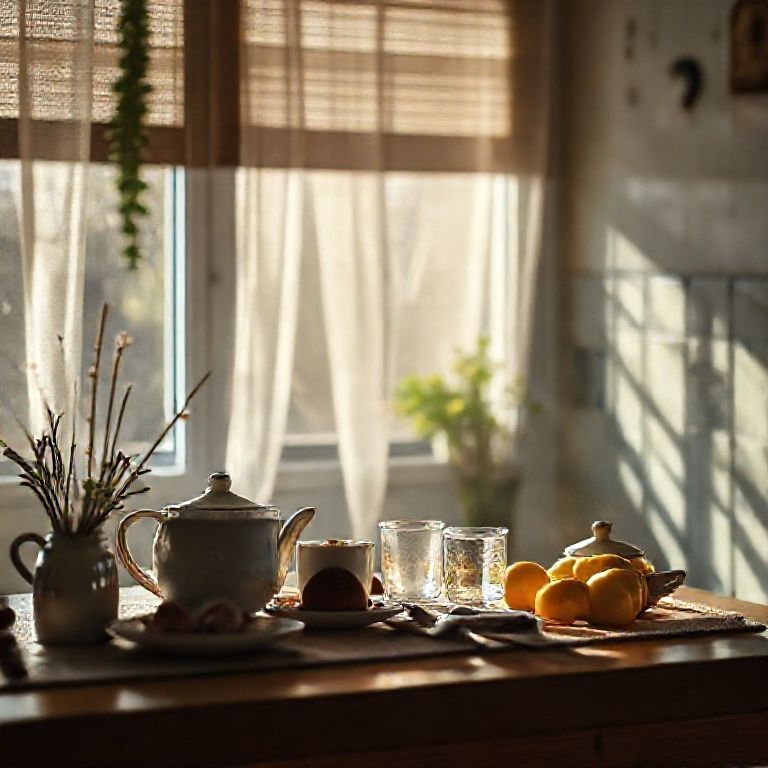
Light is the soul of lifestyle photography. Avoid the harsh, direct sun of midday, which creates unflattering shadows under the eyes. Instead, seek out “Golden Hour”—the period shortly after sunrise or before sunset. If you are shooting indoors, move your subjects near a large window to utilize soft, directional light.
3. Use a Wide Aperture for Depth
To create that creamy, professional “bokeh” effect that separates the subject from the background, use a wide aperture (a low f-number like f/1.8 or f/2.8). This directs the viewer’s eye exactly where it needs to go: the subject’s emotion.
4. The Power of the “In-Between” Moments
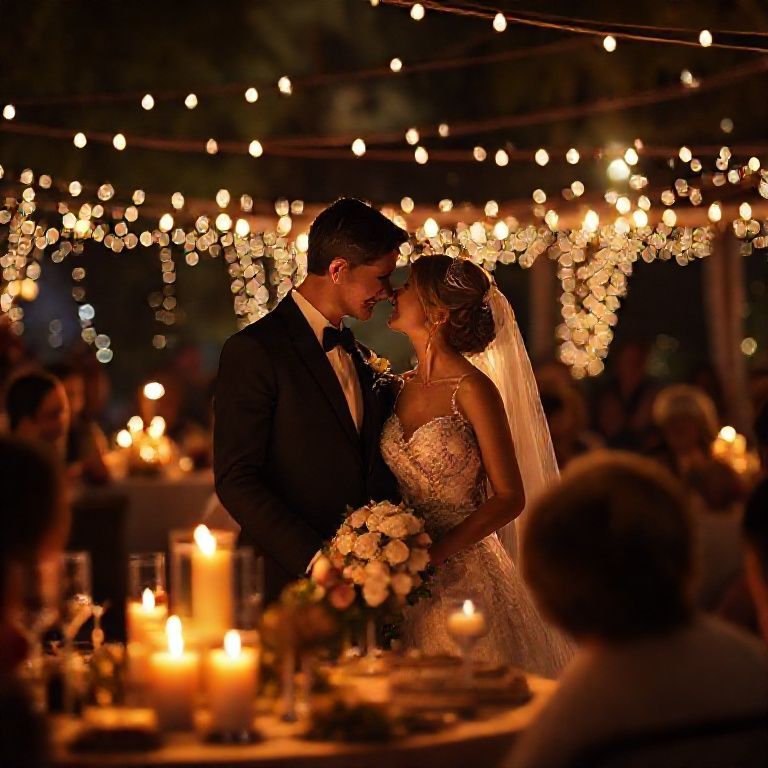
Often, the best shot isn’t the one where everyone is looking at the camera. It’s the moment when the mother is laughing at her child’s mess, or the couple is sharing a quiet glance while waiting for coffee. Keep your finger on the shutter during the transitions.
5. Choose Meaningful Environments
The background is a character in your story. If you are shooting a lifestyle piece for a baker, the kitchen should be filled with flour, rolling pins, and warm tones. The environment should complement the subject, not distract from them.
6. Vary Your Perspectives
Don’t just shoot from eye level. Get low to the ground to capture a child’s perspective, or shoot from a high angle to capture the scale of a scene. Changing your height changes the emotional tone of the image.
7. Use “Prompts” Instead of “Poses”
Instead of saying “Put your hand on your chin,” say “Adjust your glasses while looking at the book.” Instead of “Look at your partner,” say “Whisper something funny in their ear.” This triggers genuine movement and facial expressions.
8. Pay Attention to Color Palettes
Coordinate, don’t match. If your subjects are wearing identical white t-shirts and jeans, it looks staged and dated. Encourage a cohesive color palette (e.g., earth tones, pastels) that works with the environment. This ensures the final image feels harmonious.
9. Embrace Movement (Motion Blur vs. Freeze)
Sometimes, a little bit of motion blur can add a sense of dynamism and life to a shot. If you are capturing someone running through a field, a slightly slower shutter speed can convey the energy of the movement.
10. Simplify the Composition
A cluttered background can ruin a perfect moment. Before you click, scan the frame. Is there a trash can in the corner? Is there a distracting power line? Use the Rule of Thirds to place your subject off-center, creating a more dynamic and professional composition.
11. Capture the Details
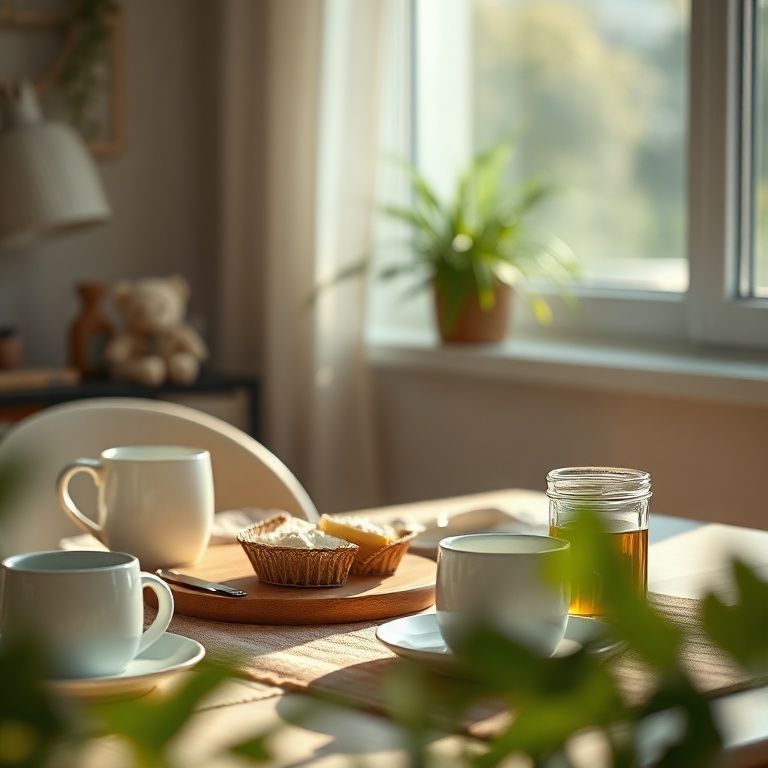
A lifestyle story isn’t just about faces. It’s about the hands holding a warm mug, the feet walking on autumn leaves, or the way sunlight hits a fabric. These “detail shots” act as perfect B-roll for storytelling.
12. Be a Director, Not a Boss
To get great results in lifestyle photography, you must build rapport. If your subjects are nervous, the photos will look stiff. Talk to them, make them laugh, and create a comfortable atmosphere. Your energy dictates their performance.
Technical Comparison: Gear and Settings
While you can shoot lifestyle photos on any device, understanding the technical side helps you achieve professional results. Below is a summary of recommended settings for common lifestyle scenarios.
| Scenario | Aperture | Shutter Speed | ISO | Best Lens Type |
|---|---|---|---|---|
| Outdoor Portrait (Golden Hour) | f/1.8 – f/2.8 | 1/500s or faster | 100 – 400 | 50mm Prime or 85mm |
| Indoor Home Lifestyle | f/2.0 – f/4.0 | 1/200s | 400 – 1600 | 35mm Prime |
| Action/Movement (Kids playing) | f/2.8 – f/5.6 | 1/1000s | 400 – 800 | 24-70mm Zoom |
Common Challenges and How to Overcome Them
Even with the best tips, lifestyle photography presents unique hurdles. Here is how to navigate them:
- The “Uncomfortable” Subject: Some people are naturally camera-shy.
Solution: Don’t start by pointing the camera at them. Start by taking photos of the environment or objects they are interacting with to help them settle in. - Unpredictable Lighting: Moving clouds or shifting shadows can ruin a set-up.
Solution: Always shoot in RAW format. This allows you to recover details in the highlights and shadows during post-processing. - Chaos and Lack of Control: In candid photography, things don’t always go as planned.
Solution: Embrace it. Often, the “mistakes”—a child making a funny face or a dog jumping into the frame—are the most cherished photos.
Common Mistakes to Avoid
To ensure your work looks professional, avoid these frequent pitfalls:
- Over-editing: It is tempting to crank up the saturation and contrast. However, over-editing destroys the “natural” feel that makes lifestyle photography effective. Keep it subtle.
- Ignoring the Background: A beautiful subject can be ruined by a cluttered, messy background. Always do a “frame scan” before clicking.
- Too Much Direction: If you spend the whole time telling people how to move, they will look like puppets. Give one direction, then step back and wait.
- Neglecting Eye Contact (Sometimes): While looking at the camera isn’t always the goal, if the subject’s eyes are closed or looking in a random, distracting direction, the emotional impact is lost.
Expert Tips for Professional Success
As a specialist in visual storytelling, I recommend these advanced strategies:
1. The “Burst Mode” Strategy: When capturing movement or interaction, use your camera’s continuous shooting (burst) mode. This increases your chances of catching that micro-expression or the perfect moment of a smile.
2. Focus on Texture: In lifestyle shots, texture adds depth. Think about the grain of a wooden table, the softness of a linen shirt, or the condensation on a cold glass. These tactile elements make the photo feel “touchable.”
3. Study Storytelling in Film: Great lifestyle photographers are often students of cinema. Watch how movies use lighting and framing to tell a story without dialogue. Apply those cinematic principles to your photos.
For more inspiration on how to elevate your lifestyle content, check out these resources: Lifestyle Storytelling Guide.
Conclusion
Mastering lifestyle photography is a journey of moving from being a “taker of pictures” to a “storyteller of moments.” It requires a blend of technical proficiency, environmental awareness, and, most importantly, the ability to connect with your subjects.
By focusing on authenticity, utilizing natural light, and prioritizing interaction over rigid posing, you can create images that do more than just look good—they make the viewer feel something. Whether you are building a brand or preserving family history, remember that the most beautiful moments are the ones that feel real.
For more professional advice on visual marketing and photography, visit Shopify’s Photography Blog.
Frequently Asked Questions (FAQ)
Q: Do I need an expensive camera for lifestyle photography?
A: No. While a high-quality lens and a full-frame sensor help with background blur and low light, modern smartphones are increasingly capable of capturing excellent lifestyle content due to their advanced computational photography.
Q: What is the difference between lifestyle and candid photography?
A: Candid photography is purely unobserved—the subject doesn’t know they are being photographed. Lifestyle photography involves a level of direction or “prompting” to create a natural scene, even if the subject is aware of the camera.
Q: How can I make my subjects feel more comfortable?
A: Build a connection through conversation. Instead of talking about the photo, talk about the activity they are doing. The less they think about the camera, the better the photos will be.
Q: Is lighting more important than the camera?
A: Absolutely. A $5,000 camera used in bad light will produce worse results than a smartphone used in beautiful, natural light. Always prioritize lighting quality.




Responses