
Soccer Drills: 15 Powerful Exercises to Improve Faster

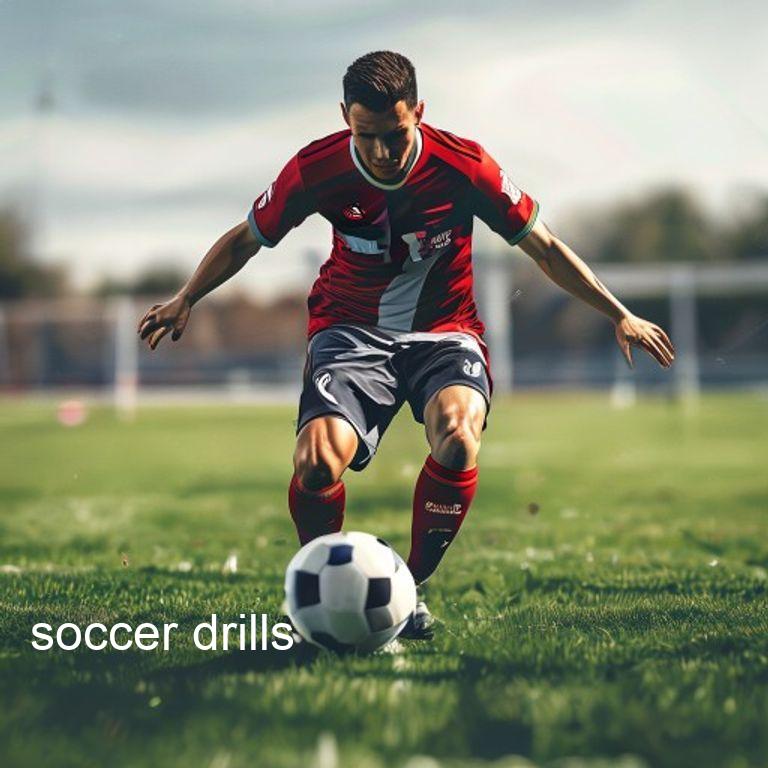
Table of Contents
Soccer Drills: 15 Powerful Exercises to Improve Faster
Whether you are a grassroots enthusiast or an aspiring professional, the difference between a good player and a great one often lies in the quality of their training. You can have the best tactical understanding in the world, but if your footwork is sluggish or your first touch is heavy, you will struggle to compete. This is where structured soccer drills come into play. To truly master the beautiful game, you need a regimen that targets technical proficiency, explosive speed, and tactical awareness.
In this comprehensive guide, we dive deep into 15 scientifically backed exercises designed to elevate your performance. We aren’t just talking about kicking a ball against a wall; we are looking at high-intensity movements that mimic real-match scenarios. Whether you are conducting a solo soccer practice or leading a full squad, these exercises are curated to ensure maximum efficiency and skill acquisition.
Before we dive into the drills, it is essential to understand that training is most effective when it follows a progressive overload principle. You must start with fundamentals and gradually increase the intensity, speed, and complexity. For more insights into sports performance and athletic development, check out the latest training methodologies at FIFA.
The Science of Skill Acquisition in Soccer
Why do some players seem to have “magic feet” while others look clumsy under pressure? The answer is neuromuscular adaptation. When you perform specific soccer drills repeatedly, your brain creates more efficient neural pathways. This is known as muscle memory, but more accurately, it is the automation of motor skills.
According to sports science research, training in small-sided games or high-intensity interval formats improves cardiovascular endurance and cognitive processing simultaneously. This means you aren’t just training your legs; you are training your brain to make decisions while fatigued—which is exactly what happens in the 85th minute of a championship match.

Top 15 Soccer Drills for Rapid Improvement
1. The Cone Slalom (Dribbling Precision)
This is a foundational exercise for improving close control. Set up 5 to 10 cones in a straight line, roughly one yard apart. Dribble through the cones using only the inside and outside of both feet. To increase the difficulty, try to keep your eyes up, scanning the field rather than looking down at the ball.
2. Wall Pass & Turn (First Touch Mastery)
Find a solid wall or a rebounder. Pass the ball firmly against the wall and focus on your “first touch.” As the ball returns, use your foot to manipulate the ball’s direction (a turn) before passing it back. This simulates receiving a ball from a teammate while under pressure from a defender.
3. The “L-Run” (Agility and Coordination)
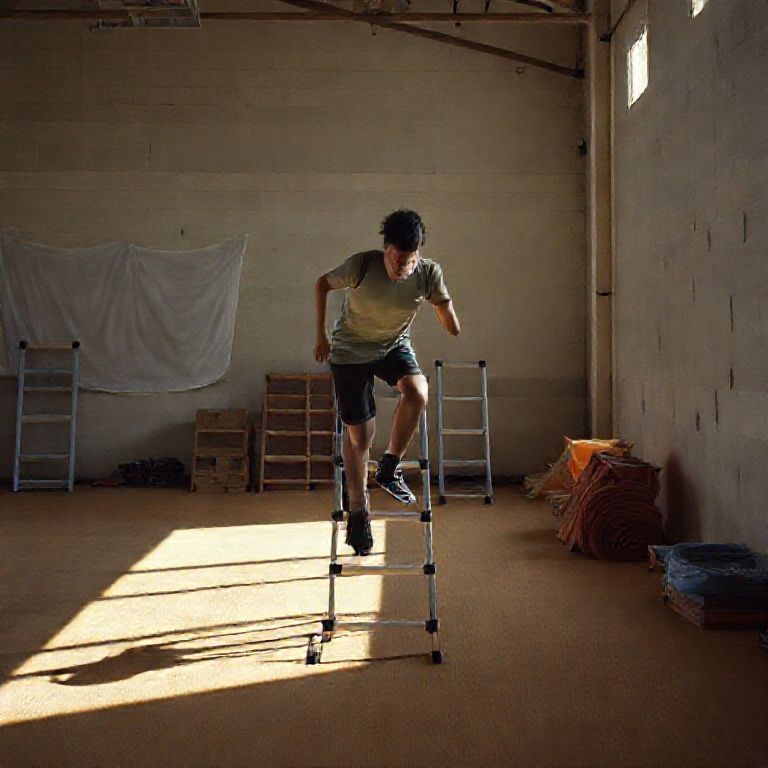
Set three cones in an “L” shape. Sprint to the first cone, shuffle laterally to the second, and then sprint to the third. This emphasizes the multi-directional movement required to shadow an opponent or close down space.
4. Square Passing Drill (Teamwork and Vision)
Set up four players in a square (approx. 10×10 meters). The goal is to pass the ball around the perimeter. To make this a true soccer practice drill, add a “joker” player in the center who acts as a neutral distributor. This forces players to recognize passing lanes and adjust their body positioning constantly.
5. Target Shooting (Accuracy and Power)
Don’t just kick the ball hard; kick it accurately. Place water bottles or small markers in the corners of the goal. From 18 yards out, attempt to hit these targets. This transitions your training from raw power to clinical finishing.
6. Box Dribbling (Tight Space Control)
Inside a very small square (3×3 meters), dribble the ball as fast as possible without hitting the boundary. This forces you to use quick, micro-adjustments with your toes and soles, essential for midfielders operating in crowded central areas.
7. Interval Sprints (Explosive Speed)
Soccer is a game of repeated sprints, not long-distance jogging. Run at 90% maximum effort for 20 meters, then walk for 40 meters. Repeat 10 times. This mimics the “stop-start” nature of professional play.
8. The “Rondo” (Decision Making)
A staple in professional academies. In a small circle, 4-5 players keep possession against 1 or 2 defenders. This is arguably the best soccer drills setup for improving quick transitions and rapid decision-making under pressure.
9. Heading Accuracy Drills
Have a partner toss the ball to you from different heights and angles. Focus on using your forehead (not the top of your head) and directing the ball toward a specific target. Header accuracy is a neglected skill that often separates elite defenders from mediocre ones.
10. Long Ball Accuracy (Switching Play)
Place a target (a bin or a specific patch of grass) 30-40 yards away. Practice long, diagonal balls from the defensive line to the wing. This simulates the ability to switch the point of attack quickly.
11. One-Touch Passing (Tempo Control)
Working with a partner, pass the ball back and forth using only one touch. This increases the tempo of your play and forces you to anticipate where the ball is going before it reaches you.
12. Defensive Jockeying (1v1 Defending)
In a narrow channel, one player tries to dribble past the other. The defender must maintain a low center of gravity, “jockeying” the attacker without lunging. This builds patience and core stability.
13. Cruyff Turn Drills (Deception)
Practice the signature move of Johan Cruyff. Drag the ball behind your standing leg and pivot. Speed is key here. This move is vital for creating space when you are backed into a corner by a defender.
14. Aerial Control (Softening the Touch)
Throw the ball high into the air and attempt to drop it dead at your feet using your thigh or chest. This “softening” of the ball is crucial for maintaining possession when the game becomes aerial.
15. Reactive Agility (Cognitive-Motor Link)
Have a partner call out “Left” or “Right” while you are performing a footwork drill. This forces your brain to process external stimuli while performing technical tasks, bridging the gap between training and real matches.

Summary of Training Drills
| Drill Category | Primary Focus | Difficulty Level |
|---|---|---|
| Dribbling | Close Control & Agility | Beginner to Advanced |
| Passing | Accuracy & Vision | Intermediate |
| Shooting | Power & Precision | Advanced |
| Fitness | Explosive Speed/Endurance | Variable |
| Tactical | Decision Making/Positioning | Professional |
Benefits of Structured Soccer Training
Engaging in consistent soccer drills offers more than just improved footwork. The benefits extend across physical, mental, and social domains:
- Physical Conditioning: Increases VO2 max, muscular endurance, and explosive power.
- Cognitive Speed: Enhances spatial awareness and the ability to process information rapidly.
- Technical Consistency: Reduces the frequency of unforced errors during high-pressure situations.
- Confidence: Mastering specific movements allows players to perform them instinctively, reducing “overthinking” during games.
Common Challenges in Training
Even with the best plan, players often encounter hurdles. Identifying these early can prevent stagnation.
- Plateauing: When you perform the same drills at the same speed for months, your body adapts and stops improving. You must constantly increase intensity.
- Overtraining: Too much intensity without adequate recovery can lead to overuse injuries like shin splints or ACL strain.
- Lack of Game Context: Doing drills in a vacuum without any “pressure” or “opponents” can lead to a false sense of security.
Expert Tips for Maximum Gains
As a specialist in sports performance, I recommend following these three golden rules to get the most out of your soccer practice:
- Quality Over Quantity: It is better to do 10 minutes of high-intensity, focused dribbling than 60 minutes of mindless jogging. Every rep should have a purpose.
- Integrate “Chaos”: Always try to add a variable. If you are practicing passing, have a partner move unpredictably. If you are dribbling, introduce an obstacle. This simulates the unpredictability of a real match.
- 其 Record and Review: Use your smartphone to film your drills. Watching yourself can reveal flaws in your body posture or ball contact that you cannot feel while in motion.
Common Mistakes to Avoid
Avoid these pitfalls to ensure your training remains productive:
- Ignoring the Non-Dominant Foot: If you only use your right foot, you are effectively playing with half a brain. Dedicate 50% of every drill to your weaker foot.
- Poor Posture: Standing too upright makes you slow and off-balance. Keep a slight bend in your knees and your weight on the balls of your feet.
- Neglecting Warm-ups: Jumping straight into high-speed soccer drills is a recipe for muscle tears. Always start with dynamic stretching.
For more high-level sports analysis and performance tips, explore our Sports Category.
Conclusion
Improving your soccer skills is not an overnight process; it is a journey of incremental gains. By implementing these 15 powerful soccer drills, you are building the foundation required to compete at a higher level. Remember that the most important element is consistency. A mediocre player who trains every day will eventually surpass a talented player who relies solely on natural ability. Focus on the details, embrace the intensity, and the results will follow on match day.
Frequently Asked Questions (FAQ)
Q: How often should I perform these soccer drills?
A: For beginners, 2-3 times a week is sufficient. For advanced players looking to gain a competitive edge, 4-5 sessions a week, integrated with team training, is ideal.
Q: Can I do these drills alone?
A: Absolutely. Many of the drills listed, such as the Cone Slalom, Wall Pass, and Interval Sprints, are specifically designed for solo training.
Q: Do I need professional equipment?
A: No. While cones and quality balls help, you can use household items like water bottles, stones, or even shoes to act as markers.
Q: How long should a single soccer practice last?
A: Typically, 60 to 90 minutes is the “sweet spot” for high-intensity training. Beyond 90 minutes, technical precision often drops due to fatigue.
Q: Should I focus more on fitness or technique?
A: In soccer, they are inseparable. Technical drills performed at high speeds provide the best “game-ready” fitness. Always aim to combine the two.

Responses