
Beauty Products for Oily Skin: 14 Powerful Solutions That Control Shine

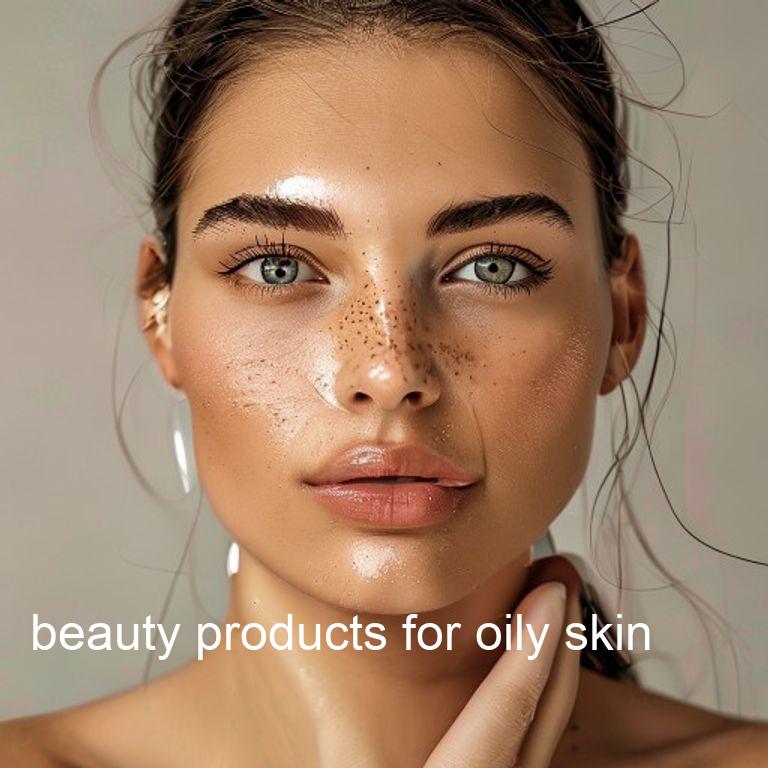
Table of Contents
Beauty Products for Oily Skin: 14 Powerful Solutions That Control Shine
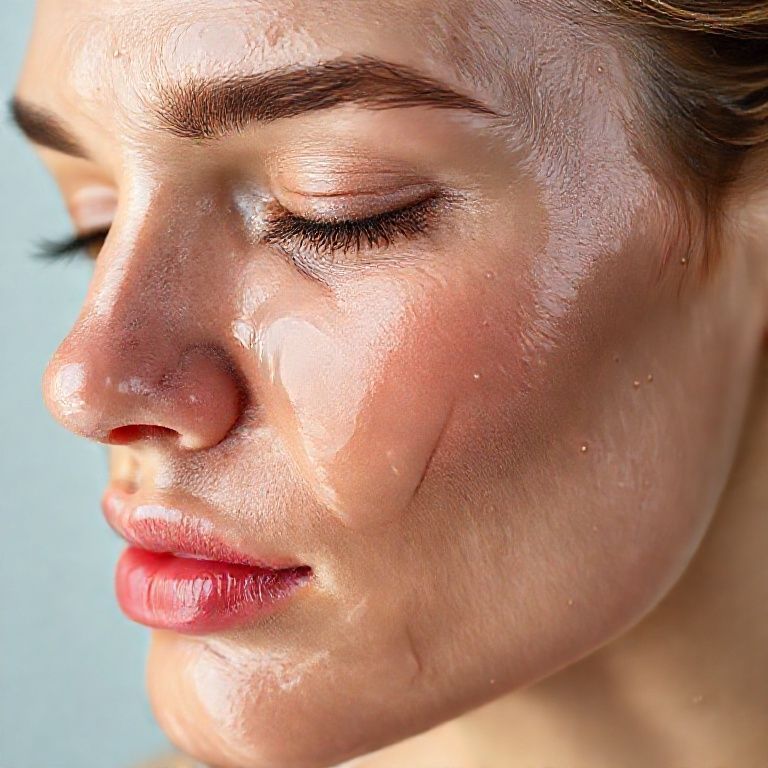
We’ve all been there. You start your morning with a perfectly matte complexion, only to find a shiny “T-zone” by lunchtime. For those with oily skin, the battle against excess sebum isn’t just a vanity issue; it can be a daily struggle with clogged pores, unexpected breakouts, and makeup that refuses to stay in place. Understanding how to navigate the vast world of beauty products for oily skin is the key to transitioning from a greasy midday look to a balanced, radiant complexion.
Oily skin is caused by overactive sebaceous glands. While it can be frustrating, it does have a biological silver lining: oily skin tends to age slower due to higher natural moisture levels. However, to reap those anti-aging benefits without the acne, you need a strategic approach. In this guide, we will explore a curated beauty products list designed to manage oil production while maintaining the skin’s essential moisture barrier.
Before we dive into the solutions, it is important to understand the science. According to dermatological studies, sebum is essential for skin health, but an imbalance leads to congestion. You can learn more about the biological causes of sebum production via CeraVe’s skincare expertise.
The Science of Sebum: Why Your Skin Produces Excess Oil
To effectively use beauty products for oily skin, you must first understand why your skin is behaving this way. Excess oil (sebum) is produced by sebaceous glands located in the dermis. Several factors can trigger an overproduction of this oil:
- Genetics: If your parents had oily skin, you likely will too.
- Hormonal Fluctuations: Androgens can stimulate oil production.
- Dietary Habits: High-glycemic foods can impact oil secretion.
- Environmental Humidity: Hot, humid climates often lead to increased shine.
- Over-cleansing: Stripping the skin can actually trigger “reactive seborrhea,” where the skin produces *more* oil to compensate for dryness.

Challenges of Managing Oily Skin
Managing oily skin is a delicate balancing act. Unlike dry skin, which requires heavy creams and oils, oily skin requires precision. If you use products that are too harsh, you risk damaging your acid mantle—the skin’s natural protective layer. This leads to dehydration, making the skin both oily and flaky simultaneously (often called “dehydrated oily skin”).
Furthermore, the presence of excess oil often acts as a “glue” for environmental pollutants and dead skin cells, leading to:
- Comedones: Blackheads and whiteheads caused by clogged pores.
- Inflammatory Acne: Red, painful bumps triggered by bacteria trapped in oil.
- Large Pores: When sebum fills the pores, they appear larger and more visible.
- Makeup Meltdown: Foundation and concealer sliding off the face by midday.

14 Powerful Beauty Products for Oily Skin
To help you build an effective routine, we have categorized these 14 solutions into essential skincare steps. You can explore more lifestyle and beauty trends over at PeoplesTalk Beauty.
1. The Essential Cleansing Phase
The goal is to remove excess oil without disrupting the skin barrier.
- Salicylic Acid Cleanser: A BHA (Beta Hydroxy Acid) that is oil-soluble, meaning it can penetrate into the pores to dissolve the “gunk” causing breakouts.
- Gel-Based Cleanser: Unlike heavy creams, gel cleansers provide a deep clean that feels lightweight and non-greasy.
- Double Cleansing (with a Lightweight Oil): It sounds counterintuitive, but using a lightweight cleansing oil first can help dissolve sebum more effectively than soap alone.
2. Targeted Treatment: The Heavy Hitters
This is where the real magic happens. These products contain active ingredients that communicate with your skin cells.
- Niacinamide Serums: A powerhouse ingredient for oily skin. Niacinamide (Vitamin B3) helps regulate sebum production and minimizes the appearance of pores.
- Retinoids (Adapalene or Retinol): These increase cell turnover, preventing dead skin cells from clogging pores.
- Azelaic Acid: Excellent for reducing redness and killing acne-causing bacteria.
- Clay Masks (Kaolin or Bentonite): Used once or twice a week, these act like a vacuum for your pores.
3. Hydration: The Non-Negotiable Step
Never skip moisturizer! If you skip this, your skin will overcompensate by producing more oil.
- Hyaluronic Acid Serums: These pull water into the skin without adding oil.
- Oil-Free Water Creams: Formulated with high water content and low lipid content.
- Lightweight Gel Moisturizers: Provides a cooling, matte finish.
4. Sun Protection and Finishing Touches
- Mattifying Sunscreens (SPF 30+): Look for “non-comedogenic” and “oil-free” labels to ensure they don’t clog pores.
- Translucent Setting Powder: A must-have for a matte finish that lasts all day.
- Blotting Papers: The ultimate “on-the-go” tool for removing shine without disturbing makeup.
To make your shopping easier, here is a summarized beauty products list for your next pharmacy run:
| Product Category | Recommended Key Ingredient | Primary Benefit |
|---|---|---|
| Cleanser | Salicylic Acid | Deep pore cleansing |
| Serum | Niacinamide | Oil regulation & pore reduction |
| Exfoliant | BHA (Salicylic Acid) | Prevention of blackheads |
| Moisturizer | Hyaluronic Acid | Hydration without grease |
| Sunscreen | Zinc Oxide | Matte protection |
The Benefits of a Strategic Skincare Routine
When you use the right beauty products for oily skin, the transformation is more than just aesthetic. You will notice several clinical improvements:
- Texture Refinement: As pores are cleared, the surface of the skin becomes smoother.
- Reduced Inflammation: Ingredients like Niacinamide and Azelaic Acid calm the redness often associated with acne.
- Consistent Makeup Application: A controlled sebum level means your foundation stays intact for 8-12 hours.
- Long-term Pore Management: Regular exfoliation prevents the “stretching” effect of chronically clogged pores.
Common Mistakes to Avoid
Even with the best products, many people fail because of these common errors:
- Over-Exfoliating: Using acids every single day can lead to a damaged skin barrier, resulting in more breakouts. Start 2-3 times a week.
- Using Alcohol-Heavy Toners: While it feels refreshing initially, denatured alcohol strips the skin too aggressively, leading to more oil production.
- Ignoring the Body: Back and chest acne (bacne) is often just oily skin on the body. Treat it with similar care.
- Touching Your Face: Every time you touch your face, you transfer oils and bacteria from your hands to your skin.
Expert Tips for Maximum Results
As a specialist in the beauty niche, I recommend the following “Pro-Tips” to optimize your routine:
- The “Wait” Rule: After applying a treatment serum (like Retinol or Salicylic Acid), wait 60 seconds before applying moisturizer. This allows the active ingredients to penetrate without being diluted.
- Temperature Matters: Wash your face with lukewarm water. Hot water strips natural oils, while freezing water can prevent effective cleansing.
- Check Your Hair Products: If you suffer from forehead breakouts, your hair conditioner or styling oils might be migrating to your skin. Wash your face *after* rinsing out your hair conditioner.
- Patch Test Everything: Even the best beauty products for oily skin can cause reactions. Test a new product on your jawline before applying it to your entire face.
Conclusion
Controlling oily skin is not about trying to strip every drop of oil from your face; it is about achieving a state of equilibrium. By selecting high-quality beauty products for oily skin—specifically those containing Niacinamide, Salicylic Acid, and lightweight hydrators—you can transform your complexion from greasy to glowing. Remember that consistency is more important than intensity. A simple, effective routine performed daily will always outperform a complex, aggressive routine performed sporadically.
Frequently Asked Questions (FAQ)
Can oily skin still be dehydrated?
Yes. This happens when your skin lacks water (moisture) even though it has an excess of oil. It often feels tight and flaky but looks shiny. The solution is to use hydrating serums and lightweight moisturizers.
How often should I use a clay mask?
For most oily skin types, 1 to 2 times a week is sufficient. Overusing clay masks can lead to extreme dryness and irritation.
Do I really need moisturizer if my skin is already oily?
Absolutely. Skipping moisturizer sends a signal to your sebaceous glands to produce more oil to compensate for the lack of hydration. Use a non-comedogenic, gel-based moisturizer to keep things balanced.
Is salicylic acid good for oily skin?
Yes, Salicylic Acid (BHA) is considered the “gold standard” for oily skin because it is oil-soluble and can penetrate deep into the pores to clear debris.

Responses