
Beauty Products for Sensitive Skin: 15 Safe Choices That Really Work

Table of Contents
Beauty Products for Sensitive Skin: 15 Safe Choices That Really Work
If you have ever applied a popular new moisturizer only to feel a sudden stinging sensation, or tried a high-end foundation that left your face looking red and flaky, you know the frustration of having reactive skin. For millions, the search for effective beauty products for sensitive skin feels less like self-care and more like walking through a minefield of potential irritants.
Sensitive skin isn’t a single “type” in the traditional sense; rather, it is a condition where your skin’s natural barrier is compromised, making it hyper-reactive to environmental triggers, fragrances, and harsh chemicals. According to dermatological studies, nearly 40% to 50% of people experience some level of skin sensitivity, ranging from mild redness to eczema-prone conditions. This makes finding the right everyday beauty essentials a matter of necessity rather than luxury.
In this comprehensive guide, we are diving deep into what actually works. We aren’t just listing brands; we are analyzing ingredients, understanding the science of the skin barrier, and providing a curated list of 15 safe, effective choices that prioritize skin health over fleeting trends.
Before we dive into the product list, I recommend exploring more fashion and beauty insights to keep your routine updated with the latest safe trends.
Understanding the Science of Sensitive Skin
To choose the right products, you must first understand why your skin reacts. Your skin has a protective outer layer called the stratum corneum. Think of it as a brick wall where the skin cells are the bricks and lipids (fats) are the mortar. When that “mortar” is depleted, moisture escapes (transepidermal water loss) and irritants get in.
Common triggers include:
- Fragrances: Both synthetic and natural (like essential oils) can be highly irritating.
- Drying Alcohols: Denatured alcohol or isopropyl alcohol strips the skin of essential oils.
- Sulfates: SLS (Sodium Lauryl Sulfate) is a common foaming agent that can disrupt the lipid barrier.
- Physical Exfoliants:
Harsh scrubs can create micro-tears in delicate skin.
For a more clinical perspective on managing skin reactivity, you can refer to the American Academy of Dermatology’s guide to sensitive skin.

The 15 Best Beauty Products for Sensitive Skin
We have categorized these selections to help you build a complete routine of everyday beauty essentials that won’t cause a flare-up.
1. The Gentle Cleansers
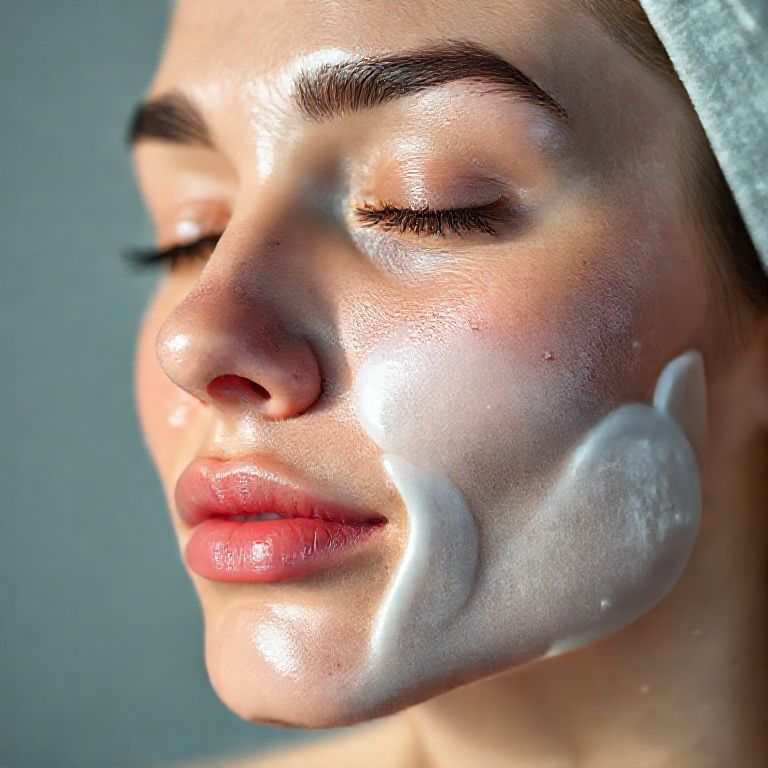
The foundation of any routine is the cleanser. If your cleanser leaves your skin feeling “squeaky clean,” it is actually stripping your barrier.
| Product Category | Top Recommendation | Key Benefit |
|---|---|---|
| Creamy Cleanser | La Roche-Posay Toleriane Hydrating Gentle Cleanser | Restores lipids while removing debris. |
| Oil Cleanser | Anua Heartleaf Pore Control Cleansing Oil | Dissolves sebum without irritation. |
| Milky Cleanser | CeraVe Hydrating Facial Cleanser | Contains ceramides to protect the barrier. |
2. Hydrating Serums and Treatments
Serums allow active ingredients to penetrate deeper. For sensitive skin, look for humectants like Hyaluronic Acid or soothing agents like Niacinamide.
- The Ordinary Hyaluronic Acid 2% + B5: A budget-friendly way to pull moisture into the skin without adding heavy oils.
- Vichy Minéral 89: Uses volcanic water and hyaluronic acid to strengthen the skin barrier.
- Stratia Lipid Barrier Serum: Specifically designed to mimic the skin’s natural lipid profile.
- SkinCeuticals Phyto Corrective: An expert-grade option that uses botanical extracts to calm redness.
3. Barrier-Repairing Moisturizers
This is where the magic happens. You need ingredients like Ceramides, Squalane, and Fatty Acids.
- First Aid Beauty Rescue Cream: A heavy-hitter for extremely dry, irritated patches.
- Avène Tolerance Control Soothing Skin Cream: Specifically formulated with minimal ingredients to reduce reaction risk.
- Neutrogena Hydro Boost Gel-Cream (Fragrance-Free): A lightweight option for those who hate the feeling of heavy creams.
- La Roche-Posay Cicaplast Baume B5: A cult favorite for repairing compromised skin overnight.
4. Mineral Sunscreens (The Non-Negotiable)
Chemical sunscreens can cause heat retention and irritation. Mineral sunscreens use Zinc Oxide or Titanium Dioxide, which sit on top of the skin and reflect UV rays.
- EltaMD UV Clear Broad-Spectrum SPF 40: Specifically designed for acne-prone, sensitive skin.
- Skinity Mineral Sunscreen: A lightweight, non-greasy option that works beautifully under makeup.
- CeraVe Hydrating Mineral Sunscreen: Provides both protection and hydration in one step.

Benefits of Using Specialized Sensitive Skin Products
Choosing products specifically formulated for reactivity offers several long-term advantages:
- Reduction in Inflammation: By avoiding triggers, you decrease the frequency of redness and swelling.
- Improved Barrier Function: Consistent use of barrier-repairing ingredients helps your skin become *less* sensitive over time.
- Cost Efficiency: While some medical-grade products are pricier, you save money by not buying “trend” products that you ultimately have to throw away after a single allergic reaction.
- Confidence: Eliminating the “redness factor” allows you to feel more comfortable in your own skin without heavy foundation.
Challenges of Navigating the Beauty Market
Despite the availability of more beauty products for sensitive skin, several challenges persist:
The “Natural” Paradox
Many consumers believe “natural” means “safe.” This is a misconception. Essential oils like lavender, peppermint, and citrus oils are highly volatile and are among the most common causes of contact dermatitis. Always check for these if you have reactive skin.
Ingredient Complexity
The INCI (International Nomenclature of Cosmetic Ingredients) list is a complex way of listing ingredients. A product might claim to be “fragrance-free” but contains a botanical extract that triggers your specific allergy. It requires constant vigilance and patch testing.
Environmental Fluctuations
Your skin’s needs change with the weather. A moisturizer that worked in the humid summer may fail you during a dry winter. This requires a flexible approach to your skincare routine.
Expert Tips for Managing Reactive Skin
As an expert in skin health and SEO/content strategy, I recommend a “less is more” approach. Here are professional tips for maintaining a healthy complexion:
- The Patch Test Protocol: Never apply a new product to your entire face immediately. Apply a small amount on your inner forearm or behind the ear for 48 hours to check for reactions.
- Simplify Your Routine: The more products you use, the higher the chance of a reaction. Focus on a solid cleanser, a moisturizer, and an SPF.
- Watch Your Water Temperature: Hot water strips the skin of its natural oils. Always wash your face with lukewarm water.
- Monitor Your Lifestyle: Diet, stress levels, and even your laundry detergent can impact how your skin reacts to topical products.
Common Mistakes to Avoid
Avoid these common pitfalls to prevent exacerbating your sensitivity:
- Over-Exfoliating: Using AHAs/BHAs (acids) every day can destroy your skin barrier. Limit exfoliation to once or twice a week at most.
- Ignoring Expiry Dates: Expired products undergo chemical changes that can make them highly irritating.
-
Using Too Many “Active” Ingredients:** Using Retinol, Vitamin C, and Salicylic Acid all at once is a recipe for disaster for sensitive skin. Layer them carefully, or better yet, use them at different times of the day.
- Skipping Moisturizer after Cleansing: Applying moisturizer to damp skin helps lock in that hydration, which is vital for barrier repair.
Conclusion
Finding the perfect beauty products for sensitive skin is often a journey of trial and error. However, by prioritizing ingredients like ceramides, hyaluronic acid, and mineral sunscreens, and avoiding harsh alcohols and fragrances, you can create a routine that nourishes rather than irritates. Remember that skin health is a marathon, not a sprint. By investing in high-quality everyday beauty essentials and listening to how your skin responds, you can achieve a calm, radiant, and healthy complexion.
Frequently Asked Questions (FAQ)
How do I know if my skin is sensitive?
Common signs include redness, itching, burning, stinging, or dryness, especially after using certain skincare products or being exposed to environmental factors like wind or sun.
Can sensitive skin be acne-prone?
Yes. In fact, many people mistake “dehydrated skin” for “oily skin.” When your skin barrier is damaged, it may produce more oil to compensate for moisture loss, leading to breakouts despite the underlying sensitivity.
Are “clean beauty” products better for sensitive skin?
Not necessarily. “Clean” is a marketing term, not a regulated scientific one. A “clean” product can still contain high concentrations of botanical extracts that cause irritation. Always look for “dermatologist-tested” or “hypoallergenic” labels for more reliability.
Should I use a facial scrub if I have sensitive skin?
It is generally better to avoid physical scrubs. Instead, use a gentle chemical exfoliant like Lactic Acid (which is more hydrating) or a very fine enzyme exfoliant once a week.
How long does it take to see results from new skincare?
Skin cells typically renew themselves every 28 to 40 days. You should give any new product at least a full month of consistent use before deciding if it works for you.




Responses