
what’s ska music: 17 Powerful Reasons It’s Better Than You Think

Table of Contents
- Understanding the Roots: A Brief Look at Ska Music History
- 17 Powerful Reasons Why Ska is Better Than You Think
- Comparison of Ska Eras
- Benefits of Listening to Ska
- Common Mistakes Beginners Make When Exploring Ska
- Challenges in the Modern Ska Scene
- Expert Tips for Your Ska Journey
- Conclusion
- Frequently Asked Questions (FAQ)
What’s Ska Music? 17 Powerful Reasons It’s Better Than You Think
If you have ever been at a live concert and seen a crowd dancing with a rhythmic, upbeat energy that feels infectious and impossible to ignore, there is a high probability you were listening to ska. But for the uninitiated, the question remains: what’s ska music exactly? Is it just high-tempo punk with horns, or is there a deeper, more complex soul beneath the brass?
Ska is often misunderstood. To some, it is a niche subculture; to others, it is simply “upbeat music.” However, ska is a sophisticated genre with a rich, multicultural lineage that has influenced everything from reggae to pop-punk. In this comprehensive guide, we will dive deep into the roots, the evolution, and the undeniable reasons why this genre deserves a permanent spot on your playlist.
Before we dive into the rhythm, if you want to explore more about different musical movements and cultural trends, feel free to check out our music category for more deep dives.
Understanding the Roots: A Brief Look at Ska Music History
To truly understand what’s ska music, we must look backward. You cannot appreciate the sound without understanding the socio-political landscape of its birth. The ska music history begins in the late 1950s and early 1960s in Jamaica. It was a rhythmic fusion born from the collision of Caribbean mento and calypso with American jazz and rhythm and blues (R&B).
At that time, Jamaica was undergoing massive social shifts leading up to its independence from the United Kingdom. This energy—this mix of joy and social tension—found its way into the music. The “offbeat” or “skank” rhythm, where the emphasis is placed on the upbeat rather than the downbeat, became the heartbeat of the nation. As noted by experts at Britannica, ska laid the fundamental groundwork for the subsequent emergence of rocksteady and reggae.
The Evolution of the Sound
As the genre traveled from the streets of Kingston to the clubs of London and eventually the stadiums of the US, it underwent several distinct transformations:
- First Wave (Original Ska): The Jamaican origins, characterized by big band arrangements and jazz influence (e.g., The Skatalites).
- Second Wave (2-Tone): A UK-based revival in the late 70s and early 80s that fused ska with punk rock, emphasizing racial unity (e.g., The Specials, Madness).
- Third Wave (Ska-Punk):** The 90s explosion in the US that blended high-speed punk melodies with heavy brass sections (e.g., Reel Big Fish, No Doubt).

17 Powerful Reasons Why Ska is Better Than You Think
If you have dismissed ska as “just happy music,” you are missing out on a genre that offers incredible depth. Here are 17 reasons why ska remains a vital, high-energy force in music.
1. Unmatched Energy for Physical Movement
Ska is physically impossible to sit still to. The emphasis on the “upbeat” creates a natural driving force that compels you to move. Whether it’s a simple two-step or a frantic mosh pit, the rhythmic structure is designed for engagement.
2. The Power of the Horn Section
In an era of digital synthesizers, ska maintains the prestige of live instrumentation. The interplay between saxophones, trumpets, and trombones provides a texture and “punch” that electronic music often struggles to replicate.
3. Multicultural Roots and Unity
Historically, ska has been a bridge between cultures. From the fusion of Jamaican mento and American R&B to the 2-Tone movement’s push for racial integration in the UK, ska has always been about bringing different worlds together through sound.
4. Complex Rhythms Behind Simple Melodies
While the melodies might feel catchy and easy to sing, the underlying rhythmic structures—the “skank”—require incredible precision from the musicians. It is a masterclass in timing.
5. A Genre That Defies Categorization
Ska is a “chameleon” genre. It can be jazz, it can be punk, it can be reggae, or it can be pop. This versatility ensures that it never feels stagnant or dated.
6. High-Octane Live Performances
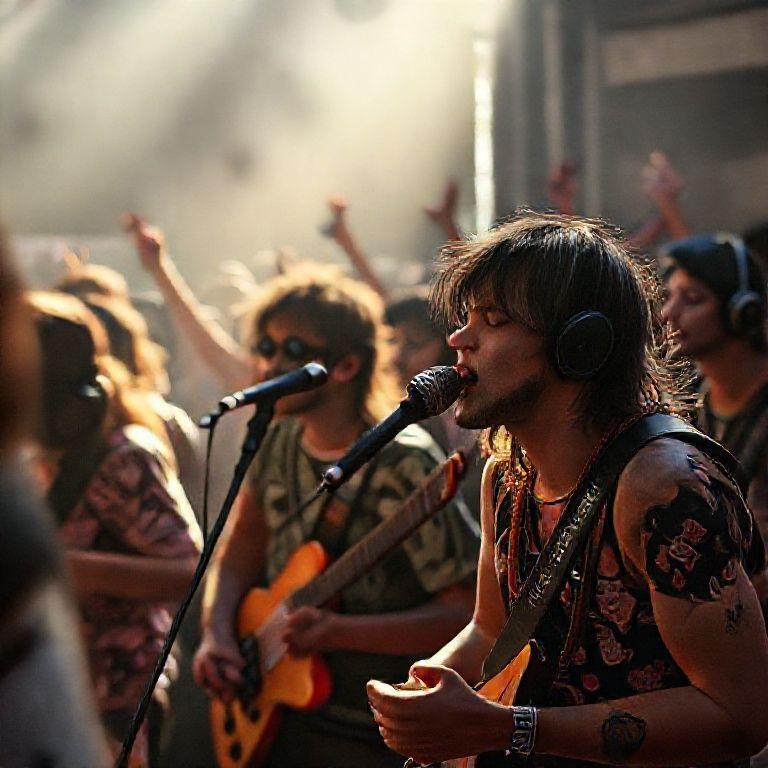
Because of the heavy instrumentation and high tempo, ska shows are legendary for their intensity. It is an interactive experience that turns a crowd into a single, moving entity.
7. Emotional Versatility
Don’t let the upbeat tempo fool you. Many ska tracks deal with heavy themes: political injustice, heartbreak, social anxiety, and existential dread, often using “happy” music to mask or contrast “sad” lyrics.
8. It Bridges the Generational Gap
You can find elders listening to classic Jamaican ska and teenagers listening to third-wave ska-punk. It is a continuous thread of musical evolution that connects different eras.
9. Exceptional Musicianship Required
Playing in a ska band is difficult. You need a rhythm section that is perfectly synchronized with a horn section that must play with precision. It is a high-skill genre.
10. The “Feel-Good” Factor
Science suggests that upbeat, syncopated rhythms can trigger dopamine release. Ska is a natural mood lifter, making it the ultimate antidote to a stressful week.
11. Strong Counter-Culture Identity
Ska has always been a voice for the underdog. Whether it was the working class in Jamaica or the punk subculture in London, the music carries a sense of identity and rebellion.
12. Influence on Modern Pop and Hip-Hop
The “offbeat” rhythm is a DNA marker found in modern music production. You can hear the echoes of ska in countless pop hits and reggae-influenced hip-hop tracks.
13. Incredible Community Building
Ska fans (often called “ska-heads”) are known for being some of the most inclusive and welcoming communities in music. It is a genre of community rather than celebrity.
14. It’s Great for “Distraction” from Heavy Themes
Much like jazz, ska allows listeners to dance through the pain. It provides a rhythmic vessel for processing emotion through movement.
15. A Rich Sonic Palette
The combination of percussion, bass, guitar, and brass creates a full-spectrum sound that feels “expensive” and lush, even in raw, DIY recordings.
16. Versatile for All Ages
Unlike some genres that focus heavily on “party culture,” ska’s musicality allows it to appeal to jazz enthusiasts, punk rockers, and pop fans alike.
17. Resilience Through Trends
While many genres fade away after a decade of popularity, ska has survived through multiple waves. It doesn’t go out of style; it just evolves.

Comparison of Ska Eras
To help you identify which style you prefer, here is a quick breakdown of the major waves of ska.
| Feature | First Wave (Original) | Second Wave (2-Tone) | Third Wave (Ska-Punk) |
|---|---|---|---|
| Primary Origin | Jamaica | United Kingdom | United States |
| Key Influence | Jazz, R&B, Mento | Punk Rock, Reggae | Hardcore Punk, Pop-Punk |
| Tempo | Moderate/Danceable | Moderate/Driving | Fast/Aggressive |
| Typical Themes | Social life, dance, love | Racial unity, political social commentary | Youthful rebellion, fun, personal struggles |
| Example Artist | The Skalites | The Specials | Reel Big Fish |
Benefits of Listening to Ska
Beyond the musicality, engaging with ska offers psychological and social benefits:
- Stress Relief: The rhythmic release of dancing to fast-paced music is a proven way to reduce cortisol levels.
- Cultural Awareness: Exploring the genre’s history provides insights into Jamaican and British social history.
- Social Connection: The “skanking” dance style is communal and encourages interaction in social settings.
Common Mistakes Beginners Make When Exploring Ska
If you are just starting to investigate what’s ska music, avoid these common pitfalls:
- Judging by Tempo Alone: Don’t assume all ska is “party music.” Many subgenres are deeply political or melancholic.
- Ignoring the History: If you listen to ska-punk without understanding the Jamaican roots, you miss the soul of the rhythm.
- Sticking to One Wave: The genre is too vast to stick to just one era. To get the full picture, you must listen to the 60s originals and the 80s 2-Tone revival.
Challenges in the Modern Ska Scene
While the genre is thriving, it faces unique hurdles:
- Genre Pigeonholing: It is often lumped into “punk” or “reggae,” which ignores its unique identity.
- Complexity of Performance: Maintaining a high-quality brass section is expensive and difficult for touring indie bands.
- Niche Market Perception: The perception that ska is “just for kids” or “just for a specific subculture” can limit its mainstream accessibility.
Expert Tips for Your Ska Journey
As an observer of musical trends and SEO/content patterns in culture, I suggest the following approach to discovering the genre:
- Start with a “Hybrid” Playlist: If you like punk, start with 90s third-wave bands. If you like jazz, start with the Jamaican classics.
- Watch Live Footage: Ska is a visual and kinetic genre. Seeing the horn players and the dancers will help you “feel” the rhythm.
- Look for the “Offbeat”: When listening, try to focus on the “up” beat (the *and* in 1-and-2-and-3-and-4). Once you hear it, you can hear it everywhere.
Conclusion
So, what’s ska music? It is a rhythmic bridge between islands and continents, a fusion of jazz and rebellion, and a genre that defies the easy labels of the music industry. From its humble beginnings in the streets of Jamaica to its high-octane revival in the UK and the US, ska has remained a testament to the power of rhythm and cultural fusion.
Whether you are looking for a way to blow off steam or looking for a sophisticated musical history to study, ska offers something for everyone. Don’t just listen to the beat—embrace the history, the complexity, and the infectious energy that makes ska one of the most resilient genres in existence.
Frequently Asked Questions (FAQ)
What is the main characteristic of ska?
The defining characteristic of ska is the “offbeat” accentuation, often called the “skank,” where the emphasis is placed on the upbeat rather than the downbeat.
Is ska the same as reggae?
No, but they are related. Ska was the predecessor to reggae. While ska is typically faster and more jazz-influenced, reggae is slower, more bass-heavy, and deeply influenced by mento and R&B.
Why do ska bands have horn sections?
The horn section (trumpets, saxophones, trombones) provides the melodic punch and rhythmic emphasis that defines the genre’s sound, rooted in jazz and big band traditions.
What is “skanking”?
Skanking is the traditional dance associated with ska music, characterized by rhythmic, stepping movements that sync with the offbeat of the music.
Is ska music still popular today?
Yes, while it may not dominate the Billboard Top 10, ska maintains a very dedicated global fanbase and continues to evolve through various fusion subgenres.



Responses