
Football in USA: 15 Amazing Facts Every Fan Should Know


Table of Contents
Football in USA: 15 Amazing Facts Every Fan Should Know
Walk into any sports bar on a Sunday in January and you’ll feel it—the roar, the nervous laughter, the collective gasp when a Hail Mary falls incomplete. Football in USA isn’t just a game; it’s a weekly ritual that binds families, cities, and even strangers who happen to wear the same jersey. I’ve spent two decades covering pigskin at the grassroots and pro level, and the growth still surprises me. From tiny rural fields where Friday night lights flicker to $1 billion stadiums hosting Super Bowl spectacles, the sport has woven itself into the national identity. This piece isn’t a dry rulebook. It’s a fan-to-fan chat about 15 astonishing tidbits, plus practical advice on how to enjoy the chaos without losing your voice or your sanity.
Why the Sport Captures Attention Like Nothing Else
Before we dive into the list, let’s set the scene. The landscape of football in usa includes the National Football League, a massive college system, and youth programs that start kids as young as five. According to a 2023 Gallup poll, 41% of U.S. adults name it as their favorite sport—double the rate of basketball and well ahead of baseball. American football traces its roots to rugby and association soccer, but the version we watch today was codified in the late 1800s after Walter Camp pioneered the line of scrimmage. The numbers are staggering: the NFL alone pulled in roughly $18.6 billion in revenue last season, with television deals accounting for over 60% of that pile. If you want broader sports commentary, our sports category breaks down trends across the board, from soccer growth to Olympic cycles.
| Team | Super Bowl Wins | Last Title | Notable Era |
|---|---|---|---|
| New England Patriots | 6 | 2018 | Brady‑Belichick dynasty |
| Pittsburgh Steelers | 6 | 2008 | 1970s Steel Curtain |
| San Francisco 49ers | 5 | 1994 | Walsh’s West Coast offense |
| Dallas Cowboys | 5 | 1995 | 1990s America’s Team |
The table above shows how dynasties form and fade. Notice that no team from the 2020s has cracked the top yet—parity is real thanks to the salary cap and reverse draft order. Still, the cultural footprint of these clubs extends far beyond trophies; they shape fashion, slang, and local politics.
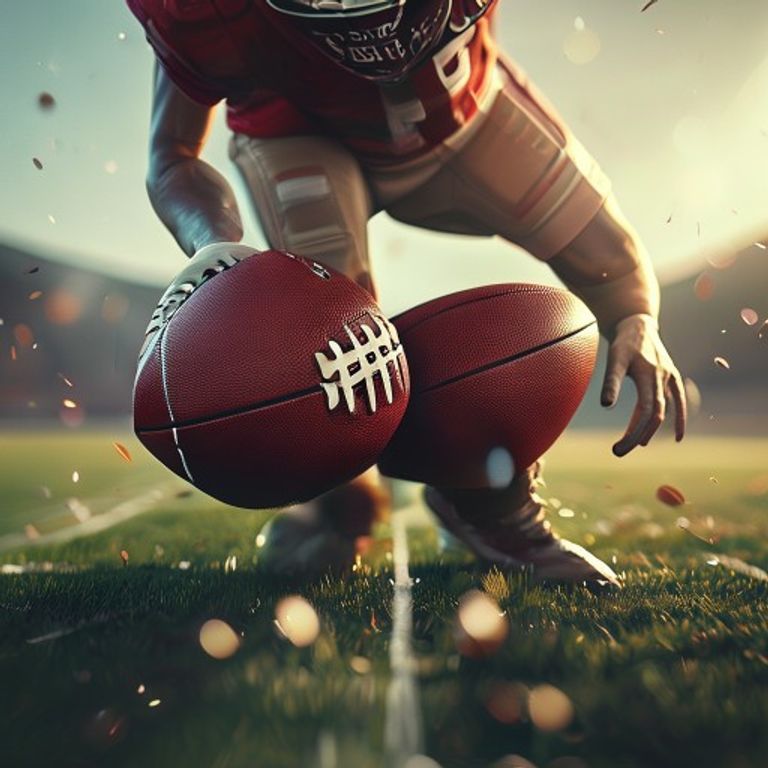
15 Amazing Facts Every Fan Should Know
1. The First Intercollegiate Game Looked Nothing Like Today
In 1869, Rutgers faced Princeton in a match more akin to soccer than the gridiron battles we know. They used a round ball and 25 players per side, with goals scored by kicking into the opponent’s net. No forward passes, no helmets, no yard lines painted in chalk. It’s a humble origin story for the $18 billion behemoth that football in usa has become. Historians note that the students played under rules borrowed from the London Football Association, making the transatlantic link undeniable.
2. The Super Bowl Wasn’t Always Called That
The first AFL‑NFL championship in 1967 was dubbed the “AFL‑NFL World Championship Game.” The catchy “Super Bowl” name came from Chiefs owner Lamar Hunt’s kid who played with a toy called a Super Ball. The rest is branding history. That initial contest drew only 61,946 fans in Los Angeles, a far cry from the 100 million viewers who now tune in globally each February.
3. Helmets Became Mandatory Only in 1943
Believe it or not, players ran onto the field bareheaded well into the 20th century. The NFL required helmets during WWII years, partly to standardize equipment when materials were scarce. Modern polycarbonate shells with face masks would baffle those early warriors. Interestingly, the face mask itself wasn’t widely adopted until the 1950s after a few gruesome injuries forced the league’s hand.
4. The Pigskin Is Actually Cowhide
Despite the nickname, fields are not littered with pig skin. Official NFL balls are made from cow leather, tanned and stamped with the commissioner’s signature. The “pigskin” term likely survived from early rugby balls made from pig bladders wrapped in leather. Each game uses about 12‑15 balls, all broken in by equipment managers to achieve the perfect grip.
5. Green Bay Packers Are Community‑Owned
Unlike other franchises, the Packers have over 360,000 shareholders. No single owner can buy control. This structure kept the team in small‑market Wisconsin and fuels a fiercely loyal fan base that packs Lambeau Field even when temperatures drop below zero. The nonprofit model is grandfathered under league rules, meaning no future team can replicate it.
6. Tom Brady’s Seven Rings Defy Math
From 2001 to 2020, the quarterback won six titles with New England and one with Tampa Bay. That’s more than any franchise except two. His longevity rewrote what we thought possible for a player’s career arc; he threw for over 80,000 yards after turning 30. Statisticians at Pro‑Football‑Reference label his dynasty the most efficient sustained run in major North American sports.
7. The Halftime Show Outdraws the Game Sometimes
When Beyoncé performed in 2013, viewers tuned in just for the spectacle. Networks now treat the 30‑minute break as prime advertising real estate, with production budgets topping $10 million. In 2020, Shakira and Jennifer Lopez drew a larger metro‑area audience than the fourth quarter in some regions, proving music and athletics have merged into one mega‑event.
8. Fantasy Football Drives Engagement
Roughly 40 million Americans play fantasy each year. It turns a Sunday afternoon into a personal investment portfolio. I’ve seen quiet accountants scream at a kicker’s missed extra point—such is the pull. The industry generates close to $7 billion in entry fees and related commerce, keeping fans glued to red‑zone channels even when their home team is blowout.
9. The Draft Is a Three‑Day Reality Show
Each spring, prospects walk across a stage in suits while teams trade future picks. TV ratings for Round 1 rival playoff games. It’s a masterclass in hope merchandising for every franchise. In 2024, the draft drew 12.4 million viewers for the first round alone, with cities bidding aggressively to host the spectacle for tourism dollars.
10. Concussion Protocols Changed the Tackling Style
After research linked repetitive hits to CTE, the league introduced independent neurologists on sidelines. American football now penalizes helmet‑to‑helmet contact fiercely, shifting coaching at all levels. Youth coaches teach “heads‑up” tackling, aiming the gaze upward. The result: reported concussions in the NFL preseason dropped 28% from 2015 to 2022, a sign adaptation works.
11. High School Friday Nights Are Sacred in Texas
State championships there draw 50,000 fans—more than some college bowls. The film “Friday Night Lights” barely exaggerated. Local economies pulse around these games; restaurants near stadiums report 30% higher revenue on fall Fridays. For many towns, the football field is the town square, complete with booster clubs and marching bands that rival small universities.
12. The Two‑Point Conversion Came Late
College football adopted it in 1958, but the NFL waited until 1994. Coaches now use it as a strategic weapon in close fourth quarters, adding math to the madness. Analytics sites show teams should go for two when trailing by eight late, yet old‑school habits die hard. The decision often decides playoff berths, making the rule a quiet game‑changer.
13. Women’s Tackle Leagues Are Expanding
The WFA (Women’s Football Alliance) fields over 60 teams. Broadcast deals are emerging. The narrative that only men play is outdated; talent pipelines are building fast. In 2023, a women’s exhibition at halftime of a pro bowl drew praise for hard hits and crisp routes, prompting discussions about a formal developmental league.
14. Overtime Rules Differ by Level
College uses alternating possessions; the NFL guarantees one possession only if the first drive doesn’t end in a touchdown. These nuances spark bar debates every season. High school rules vary by state, with some using Kansas playoff format. Such fragmentation confuses newcomers but adds layers for stat heads who enjoy comparing outcomes.
15. Youth Participation Is Stabilizing
After a dip in 2014‑2018, organizations like USA Football reported upticks in flag football enrollment. Flag versions reduce contact while teaching fundamentals—smart evolution for the sport’s health. Nearly 2 million kids now play flag, and surveys show 70% of parents feel safer about the sport than five years ago. That’s a foundation for the next century of fandom.

Benefits of Being a Football Fan
Following the game offers more than entertainment. Here’s what I’ve observed among readers and friends who dedicate their autumns to the sport:
- Community bonding: Tailgates and watch parties forge friendships that outlast losing seasons. Neighbors who disagree on politics often unite on a third‑down stop.
- Strategic thinking: Understanding play‑calling exercises your brain like chess with pads. You start recognizing cover‑2 shells and blitz packages instinctively.
- Economic lift: Local businesses near stadiums thrive on game days, creating jobs for bartenders, Uber drivers, and merch vendors.
- Family tradition: Parents pass down team loyalty like heirlooms, bridging generations. Grandpa’s memory lives on in a faded pennant.
- Emotional outlet: The weekly narrative gives us a safe place to feel joy and heartbreak, a rhythm that counters mundane routines.
Challenges the Sport Must Tackle
No love letter is complete without noting friction. The challenges are real and demand attention from leagues and fans alike:
- Safety concerns: CTE studies worry parents, pushing some toward flag football. The long‑term health of retirees remains a moral test.
- Cost barriers: Equipment and league fees can exceed $500 per child per season, excluding travel. This prices out lower‑income communities without subsidy.
- Season length: Expanded schedules and Thursday games increase injury risk and player fatigue, drawing union pushback.
- Viewership fragmentation: Streaming rights split fans across platforms, hurting shared experience. Grandma can’t find the game because it’s on a niche app.
- Climate impact: Massive stadium operations leave carbon footprints that younger fans increasingly question.
Expert Tips for Enjoying the Game
Whether you’re new or a seasoned tailgater, these pointers from my reporting toolkit help you get more bang for your beer:
- Learn the basic formations (4‑3 vs 3‑4 defense) to appreciate coaching decisions instead of just watching the ball.
- Use a second screen for stats; sites like USA Football offer drill breakdowns for curious minds, and our sports section curates weekly analysis.
- Pick one underdog team each year—their Cinderella runs make October meaningful even when your main club struggles.
- Attend a high school game; the raw atmosphere beats many pro venues and tickets are often under $10.
- Set a budget for fantasy or betting; the line between fun and financial stress is thinner than a goalpost upright.
Common Mistakes Fans Make
Even diehards slip up. Avoid these classic errors that I’ve collected from mailbag letters:
- Assuming the referee always sees what you see on replay—officials are human, and angles deceive.
- Ignoring special teams; a blocked punt can swing a championship, yet many fans hit the kitchen during kickoffs.
- Buying expensive jerseys of rookies who may not last three seasons—wait for proof before investing in memorabilia.
- Trashing the quarterback after one bad half; context matters in this complex sport where protection breakdowns aren’t always his fault.
- Confusing rules across leagues; college targeting calls differ from NFL personal fouls, sparking needless arguments.
Conclusion
From a 1869 kickaround to billion‑dollar draft nights, football in usa has proven adaptable and irresistible. The 15 facts above barely scratch the surface, yet they show a sport built on innovation and community. Yes, headwinds exist, but flag programs and safer gear hint at a thoughtful future. If you’re just discovering the game, welcome—grab a snack, learn the offside rule, and let the pageantry wash over you. And remember, every expert was once a confused fan in the stands wondering why everyone yelled “snap.” The journey from confusion to fandom is half the fun, and it’s a ride that rewards curiosity with camaraderie.
Frequently Asked Questions
How popular is football in the United States compared to other sports?
Gallup data consistently places it first, with about 41% of adults calling it their favorite. The NFL’s TV ratings dwarfs other leagues’ finals, confirming the lead. Even during off‑seasons, draft coverage outdraws live NBA games, showing the year‑round grip of the sport.
Is american football the same as rugby?
No. American football evolved from rugby but added forward passes, standardized blocking, and stop‑start plays. The protective gear and field markings also differ significantly. A rugby match flows continuously, while our game pauses after every whistle, creating a chess‑like cadence unique to the states.
What age should kids start playing?
Many programs accept flag football at age 5‑6. Tackle leagues usually begin around 8‑9 with proper training. Always check local guidelines and safety certifications from organizations like USA Football, which provides age‑appropriate curricula.
Where can I find reliable youth resources?
The USA Football site provides coaching courses, concussion facts, and league locators. Our sports section also reviews regional camps and shares parent testimonials to help you choose wisely.








Responses