
Recognizing Patterns From Past Relationships: 8 Costly Errors that Waste Your Time

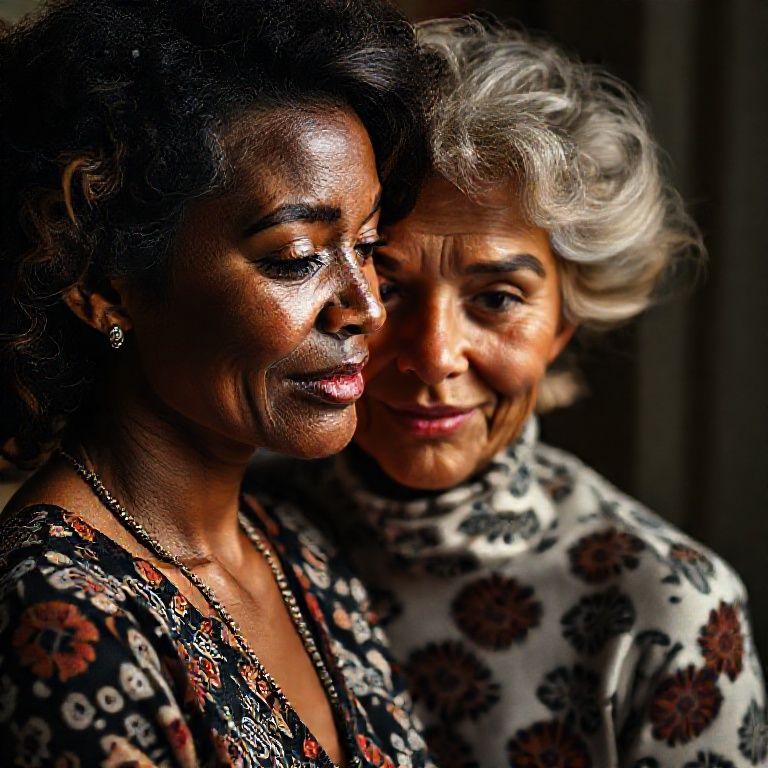
recognizing patterns from past relationships

Introduction
As we navigate the complexities of love and relationships, it’s easy to get caught up in the thrill of new connections and overlook the warning signs that may have been present in our previous partnerships. Recognizing patterns from past relationships can be a challenging but ultimately liberating experience, allowing us to break free from the cycles of heartbreak and repeat behavior that may have held us back in the past.
For many of us, our early experiences with love and attachment are shaped by our family dynamics, cultural background, and personal values. These early influences can often create patterns and habits that we may not even realize are at play until much later on. Recognizing these patterns from past relationships requires a certain level of self-awareness, introspection, and emotional intelligence.
By examining the common themes, red flags, and deal-breakers that have emerged in our previous partnerships, we can gain valuable insights into what we’re looking for (and avoiding) in our next relationship. This newfound understanding can empower us to make more informed choices, communicate more effectively with our partner, and ultimately cultivate healthier, more fulfilling relationships that align with our true desires and needs.

Recognizing Patterns from Past Relationships
Understanding the Dynamics of Toxicity
Identifying Red Flags
——————–
Communication Style
Pay attention to how your partner communicates with you. Do they often interrupt, dismiss your feelings, or become defensive when discussing sensitive topics? These behaviors can be indicative of a controlling or manipulative personality. For example:
A friend may have told you about their ex-partner who constantly interrupted them during conversations and made it difficult for them to express themselves.
You might recall a relationship where your partner would shut down the conversation when you brought up sensitive topics, making you feel unheard.
Emotional Reactivity
Notice how your partner reacts to your emotions. Do they become overly critical, dismissive, or angry when you express your feelings? This can be a sign of emotional unavailability or a lack of empathy. Consider:
A past relationship where your partner would get defensive whenever you talked about your feelings, making it challenging for you to open up.
A friend who has shared their experience with being emotionally manipulated by an ex-partner who would often become angry or critical when they expressed their emotions.
Examining Power Dynamics
———————-
Control and Possessiveness
Look for signs of control or possessiveness in the relationship. Does your partner try to dictate what you wear, who you spend time with, or what activities you engage in? These behaviors can be indicative of an unhealthy need for power and control. For instance:
A past relationship where your partner would constantly question your whereabouts and whom you spent time with.
A friend who has shared their experience with being controlled by an ex-partner who would dictate their daily routines.
Emotional Manipulation
Pay attention to how your partner uses guilt, anger, or self-pity to manipulate your emotions. Do they make you feel responsible for their happiness or use emotional blackmail to get what they want? Consider:
A past relationship where your partner would often guilt-trip you into doing things they wanted.
A friend who has shared their experience with being emotionally manipulated by an ex-partner who would use self-pity to control their emotions.
Recognizing Self-Sabotaging Behaviors
———————————-
People-Pleasing
Notice if you often find yourself compromising your own needs and desires to maintain the relationship. Do you sacrifice your own happiness or well-being to appease your partner? This can be a sign of people-pleasing, which can lead to burnout and resentment. For example:
A past relationship where you constantly put your partner’s needs before your own.
A friend who has shared their experience with people-pleasing in their previous relationships.
Self-Doubt and Negative Self-Talk
Pay attention to how you talk to yourself about your worth, abilities, and relationships. Do you often feel inadequate, unworthy, or unlovable? These negative self-thoughts can be a sign of low self-esteem and a lack of healthy self-care. Consider:
A past relationship where you struggled with feelings of inadequacy.
A friend who has shared their experience with struggling with negative self-talk.
Taking Action
————-
Seek Support
Reach out to trusted friends, family members, or mental health professionals for support and guidance. Talking through your feelings and experiences with someone who cares about you can help you gain clarity and perspective.
Practice Self-Care
Make time for activities that nourish your mind, body, and soul. Engage in self-care practices such as exercise, meditation, or hobbies to help you maintain a healthy sense of identity and well-being.
Set Boundaries
Establish clear boundaries with your partner and prioritize your own needs and desires. This may involve having difficult conversations or setting limits on certain behaviors that are no longer serving you.

Conclusion
In recognizing patterns from past relationships, we have the opportunity to break free from the cycle of heartache and repeat harm. By acknowledging the familiar signs of unhealthy dynamics and taking steps to break them, we can create space for new experiences and growth. Take a moment to reflect on your own relationships and consider how you might be perpetuating patterns of behavior that no longer serve you. Ask yourself: What are my non-negotiables in a relationship? How do I communicate boundaries and needs effectively? By gaining clarity on these questions, you can begin to transform your approach to love and connection, cultivating healthier, more fulfilling relationships that nourish your mind, heart, and soul.
Here are five concise FAQ pairs on recognizing patterns from past relationships:
Q: What is a pattern in a past relationship?
A: A pattern refers to a recurring theme or behavior that repeats itself in your current or previous relationships, often indicating unresolved issues or unmet needs.
Q: How do I identify patterns in my past relationships?
A: Pay attention to the ways in which you’ve been hurt, rejected, or disappointed in your relationships. Look for common traits, behaviors, or experiences that seem to keep recurring.
Q: What are some common patterns found in toxic relationships?
A: Toxic patterns often include emotional manipulation, gaslighting, control, and a lack of boundaries. Be cautious if these behaviors are present in any relationship.
Q: Can recognizing patterns from past relationships help me improve my current relationship?
A: Yes, recognizing patterns can help you identify potential red flags and take steps to address them before they escalate into bigger issues. It can also give you the opportunity to learn and grow from your experiences.
Q: How do I break free from patterns in a past relationship?
Here’s a short quiz to help recognize patterns from past relationships:
Question 1: In your previous relationship, did you often find yourself making excuses for your partner’s behavior?
A) Yes, I always tried to see the best in them.
B) Sometimes, but only when they were going through a tough time.
C) No, I never made excuses for their actions.
Show answer
Answer: B
Question 2: How did you typically handle conflicts with your partner?
A) We would have long, heated arguments and then move on from it.
B) We would try to avoid talking about it and hope it went away.
C) We would work through our issues together, finding a compromise that worked for both of us.
Show answer
Answer: A
Question 3: In your previous relationship, did you often feel like you were walking on eggshells around your partner?
A) Yes, I felt like I was constantly trying to avoid triggering their anger.
B) Sometimes, but only when we were in public or around other people.
C) No, I never felt that way.
Show answer
Answer: A
Question 4: How did your partner typically show affection and love for you?
A) They would often surprise me with small gifts and romantic gestures.
B) They would show their love through little acts of kindness and thoughtful notes.
C) They wouldn’t really make an effort to show their affection, but I still felt loved.
Show answer
Answer: C




I enjoyed reading this. I love how you break down complex topics.
Thanks for this post. Fantastic insights! Really appreciate your expertise.