
Reading Food Labels Basics: 7 Common Pitfalls that Drain Your Energy

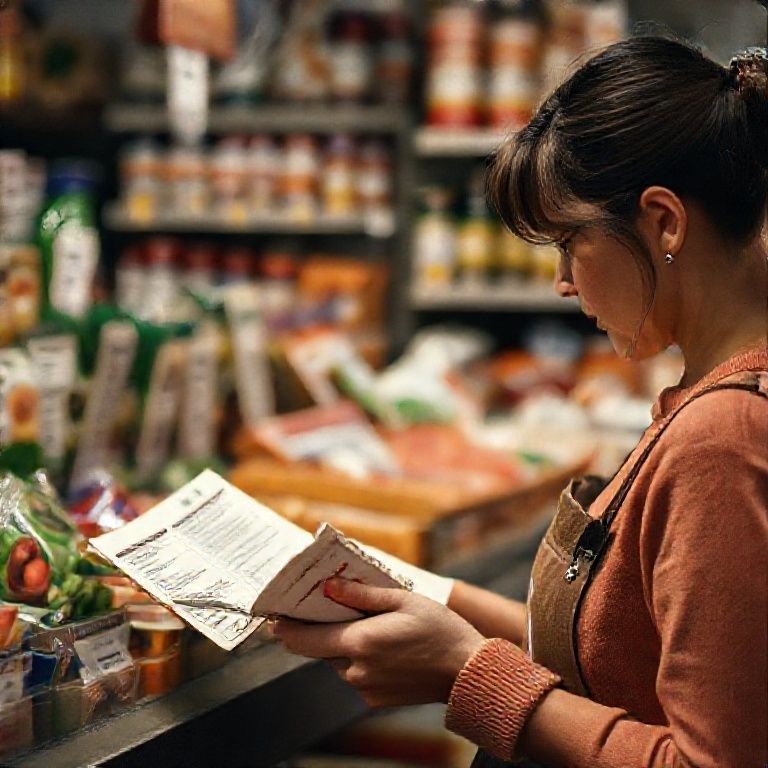
reading food labels basics
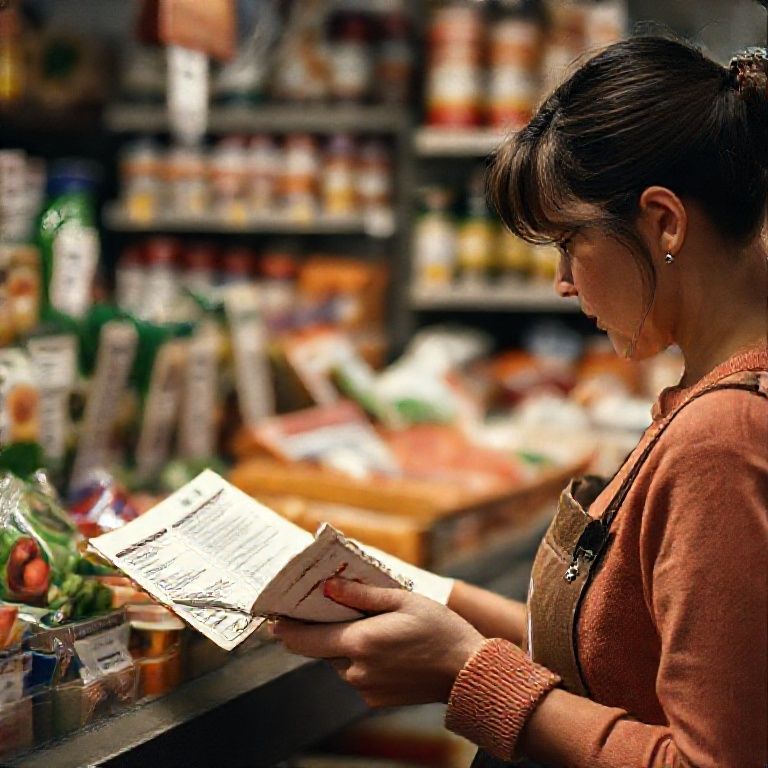
Introduction
As we navigate the ever-changing landscape of modern nutrition and health, understanding how to read food labels has become a crucial skill for anyone looking to make informed choices about their diet. With the overwhelming array of options available in grocery stores and restaurants, it’s easy to feel lost or unsure about what’s really going into your body. However, by taking the time to learn the basics of reading food labels, you can begin to unlock the secrets behind the ingredients and nutrients that make up your favorite foods.
Reading food labels is not just a matter of scanning for specific keywords or certifications; it requires a closer examination of the ingredient list, serving size, and nutritional content. By taking the time to carefully review these details, you can gain a better understanding of what’s really in your food and make more informed choices about your diet. This might mean opting for products with fewer additives, choosing whole foods over processed ones, or being mindful of portion sizes.
In this article, we’ll break down the basics of reading food labels, providing you with a comprehensive guide to help you navigate the world of nutrition and health with confidence. Whether you’re a seasoned label reader or just starting out, our expert advice will give you the tools you need to make informed decisions about your diet and take control of your health.
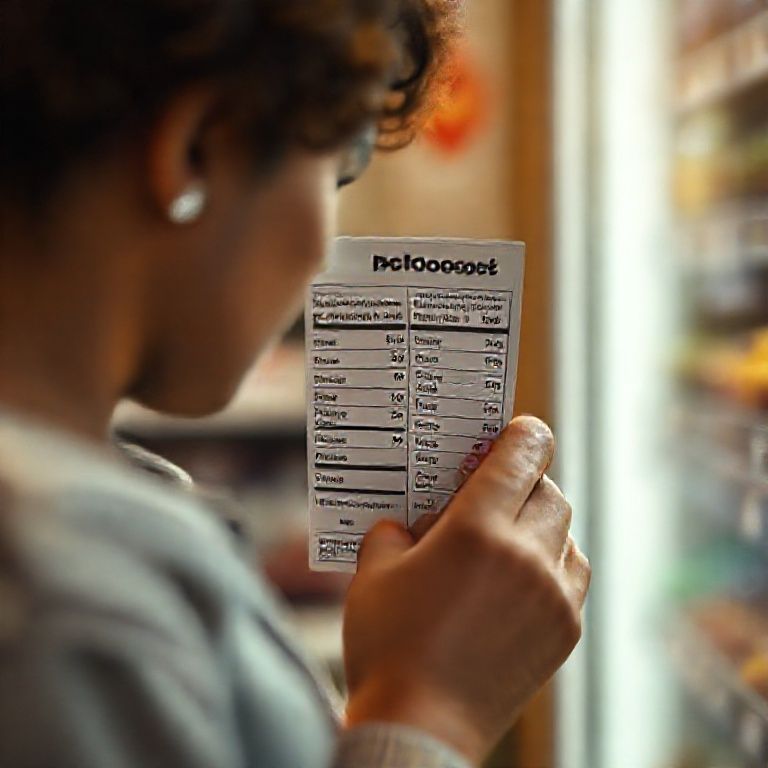
Reading Food Labels Basics: a Step-by-Step Guide
Understanding the Nutrition Facts Panel
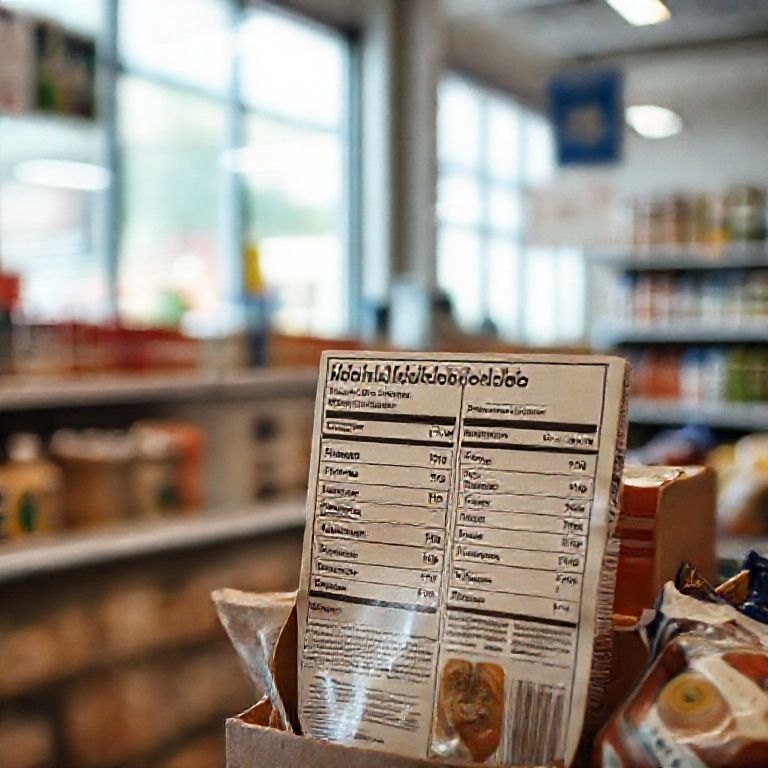
The first thing to look for on a food label is the Nutrition Facts panel, which provides key information about the food’s nutritional content. This panel includes the following sections:
Servings Size
Check the serving size listed on the label to ensure you’re comparing apples to apples. Be aware that serving sizes can vary significantly between brands and types of products. For example, a package of granola may list 1/4 cup as the serving size, but another brand may have a serving size of 2 tablespoons.
Calories and Macronutrients
The Nutrition Facts panel lists the total calories, as well as the amounts of fat, carbohydrates, protein, and other essential nutrients. Look for the percentage of daily value (DV) for each nutrient to gauge your intake. For instance, if you’re watching your sodium intake, look for products with a low DV percentage.
Added Sugars
Check the ingredient list for added sugars, which may be listed as high fructose corn syrup or other names like honey, maple syrup, or agave nectar. The daily value (DV) for added sugars is 25 grams per day for women and 36 grams per day for men.
Sodium Content
Sodium is an essential nutrient, but excessive consumption can lead to health issues. Look for labels with reduced sodium or no added sodium to make healthier choices. For example, a product labeled “low sodium” may have 200mg of sodium per serving, while another product labeled “no added sodium” may have only 50mg.
Fat Content
Check the types and amounts of fat in the food, including saturated and trans fats. Some products may use healthier alternatives like olive oil or avocado oil.
Decoding Ingredient Lists
Reading Labels from Left to Right
When scanning an ingredient list, start with the first ingredient on the left side of the label. This is usually the main ingredient, while subsequent ingredients are added in smaller quantities. For example, a product labeled “whole wheat flour” may have whole wheat as the first ingredient, followed by other ingredients like sugar, salt, and spices.
Identifying Potential Allergens
Be aware of common allergens such as peanuts, tree nuts, dairy, eggs, fish, shellfish, soy, and wheat. If you have a food allergy or intolerance, look for these ingredients on the label to make informed choices. For instance, if you’re allergic to gluten, choose products labeled “gluten-free” or “contains no gluten.”
Hidden Allergens
Some foods may contain hidden allergens like sesame seeds, which are often used in baking and cooking.
Checking Added Sugars and Sodium
Understanding Added Sugars
Added sugars are those that occur naturally in fruits and vegetables but also those added during processing. Check the ingredient list for added sugars, which may be listed as high fructose corn syrup or other names. For example, a product labeled “fruit juice” may contain added sugars if it’s made from concentrate.
Monitoring Sodium Levels
Sodium is an essential nutrient, but excessive consumption can lead to health issues. Look for labels with reduced sodium or no added sodium to make healthier choices. For instance, a product labeled “low sodium” may have 200mg of sodium per serving, while another product labeled “no added sodium” may have only 50mg.
Making Informed Decisions
Comparing Labels Across Products
When comparing different brands of the same product, check the ingredient list and nutrition facts panel for differences. This will help you choose a better option based on your dietary needs. For example, if you’re watching your sugar intake, compare the amount of added sugars in two products.
Using Food Labels as a Guide
Food labels should serve as a guide, not a guarantee of healthiness. Consider other factors such as cooking methods, portion sizes, and added ingredients when making food choices. For instance, even if a product is labeled “healthy,” it may still be high in calories or contain unhealthy fats.
By following these steps and understanding what to look for on a food label, you can make informed decisions about your diet and develop healthier eating habits.
Reading Food Labels Basics
Understanding the Basics of Food Labels
Food labels provide essential information about the ingredients, nutritional content, and other relevant details of a product. To make informed choices, it’s crucial to understand what each label section means.
Identifying Key Sections on Food Labels
1. Name of the Product
2. Ingredients List
3. Nutrition Facts Panel
4. Serving Size and Number of Servings
5. Percent Daily Values (%DV)
6. Ingredient List for Special Diets (e.g., Gluten-Free, Vegan)
Reading the Ingredients List
The ingredients list reveals what’s in your food. Here’s how to read it:
Breaking Down the Ingredients List
1. Start with the top ingredient: This is usually the main component of the product.
2. Look for unfamiliar or exotic ingredients: If you’re not familiar with an ingredient, research its meaning and potential allergens.
3. Check for added sugars: Many foods contain hidden sugars that can impact your diet.
4. Be wary of long lists: A longer list may indicate more additives or preservatives.
Understanding the Nutrition Facts Panel
The nutrition facts panel provides essential information about a product’s nutritional content:
Understanding the Nutrition Facts Panel
1. Serving Size and Number of Servings: This tells you how much of the food to consume for accurate calculations.
2. Calories, Fat, Carbohydrates, Fiber, Sugar, Protein, Sodium, Cholesterol, Vitamins, and Minerals: These nutrients will help you make informed choices.
Identifying Percent Daily Values (%DV)
The %DV indicates the percentage of a nutrient that’s recommended daily intake:
Understanding Percent Daily Values
1. Look for the %DV column on the nutrition facts panel.
2. Compare the %DV to your recommended daily intake: A higher %DV means more of the nutrient is needed.
Deciphering Other Label Information
Some labels provide additional information, such as allergens or special diet claims:
Understanding Allergen Labels
1. Look for “Contains” statements on ingredient lists.
2. Be aware of common allergens like peanuts, tree nuts, milk, eggs, fish, shellfish, wheat, and soy.
Making Sense of Special Diet Claims
Some products are labeled as gluten-free, vegan, or low-sodium:
Understanding Special Diet Labels
1. Look for clear definitions on the label.
2. Be aware that some labels may be misleading or incomplete.
By understanding these basics, you can make informed choices about the foods you eat and ensure a healthier diet.
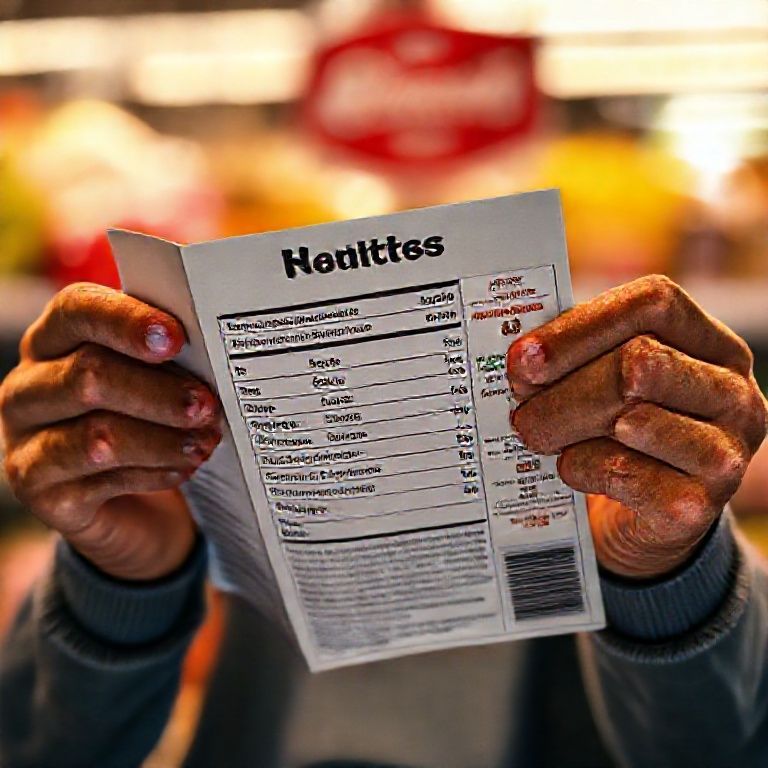
Conclusion
In today’s fast-paced world, making informed choices about the food we eat is more important than ever. By learning the basics of reading food labels, you can take control of your health and wellbeing. Don’t let confusing ingredient lists or misleading marketing tactics hold you back – take a few minutes to learn how to read food labels like a pro. Start by checking for added sugars, sodium, and saturated fats, and look for certifications like “non-GMO” or “organic”. With this knowledge, you’ll be empowered to make healthier choices that benefit both your body and the planet. So why not take the first step today?
Here are five concise FAQs on “Reading Food Labels Basics”:
Q: What is the purpose of a Nutrition Facts label?
A: The Nutrition Facts label provides information about the nutritional content of a food product, including calories, macronutrients, and serving size.
Q: How do I determine my daily value (DV) for a nutrient?
A: The Daily Value (DV) is a reference amount used to calculate the percentage of nutrients in a food. Look for the % DV next to each nutrient listed on the label.
Q: What does “serving size” mean?
A: Serving size refers to the amount of food that you should eat as one serving. It’s often listed on the label and can be different from the actual weight or volume of the product.
Q: How do I read the list of ingredients on a label?
A: Ingredients are listed in descending order by weight, meaning the ingredient that makes up the largest portion of the food is listed first. If an ingredient is listed as “contains” something, it means that the product contains that ingredient but may not be made from it.
Q: What does “added sugars” mean on a label?
Here’s your short quiz:
Question 1: What does the term “serving size” refer to on a food label?
A) The total amount of ingredients in the product
B) The recommended amount to consume per day
C) The amount of the product that is contained in one serving
Show answer
Answer: C
Question 2: Which of the following statements is true about added sugars on a food label?
A) Added sugars are listed separately from other ingredients
B) Added sugars are not required to be listed on labels
C) Added sugars are only required to be listed if the product contains more than 8 grams per serving
Show answer
Answer: A
Question 3: What does ” Percent Daily Value” (DV) represent on a food label?
A) The amount of nutrients in the product
B) The recommended daily intake of each nutrient
C) The percentage of the product that is made from natural ingredients
Show answer
Answer: B
Question 4: Which of the following statements is true about trans fats on a food label?
A) Trans fats are not required to be listed on labels
B) Trans fats must be labeled as “0 grams” if the product contains less than 0.5 grams per serving
C) Trans fats can only be used in products that contain more than 30% fat
Show answer
Answer: A



I learned something new today. Thanks! Keep up the good work!
You have a gift for explaining things clearly. 💯
You have a gift for explaining things clearly.
I enjoyed reading this. This is so useful! Bookmarking for future reference.