
Herbal Tea Routine For Sleep: 13 Bad Habits to Stop Making

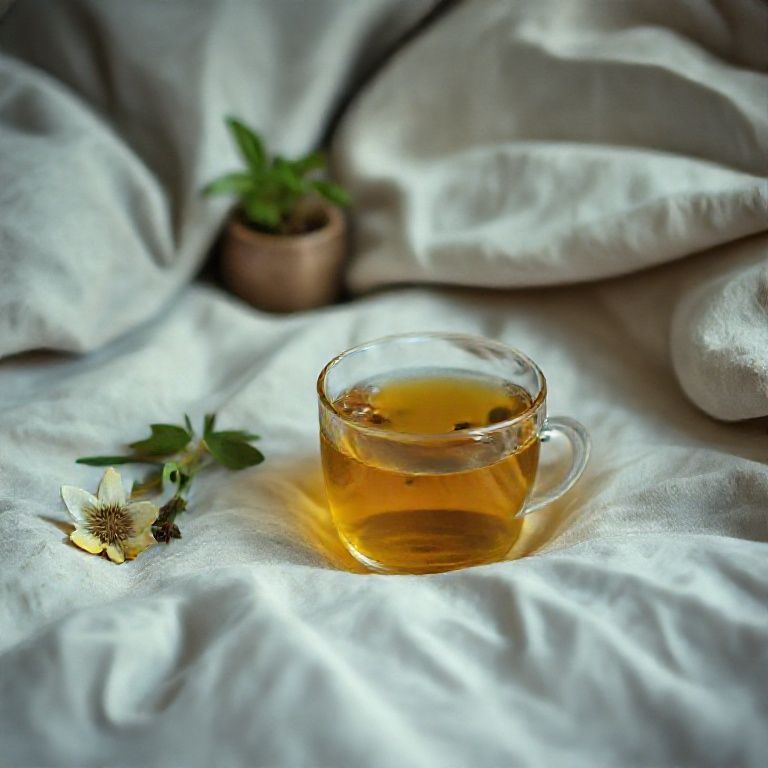
herbal tea routine for sleep

Introduction
As we navigate the stresses of modern life, it’s easy to lose sight of our most basic needs: rest and relaxation. With the constant din of notifications, social media, and work-related pressures, many of us struggle to unwind and prepare for a good night’s sleep. However, there is a simple yet powerful tool that can help: an herbal tea routine for sleep.
Incorporating herbs into your bedtime ritual has been practiced for centuries in various cultures around the world. From soothing chamomile and lavender to calming peppermint and valerian root, certain plants have been harnessed for their sleep-promoting properties. By brewing a warm cup of herbal tea before bed, you can create a calming atmosphere that signals your body that it’s time to relax and recharge.
In this article, we’ll explore the benefits of an herbal tea routine for sleep, including how to choose the right herbs, tips for brewing the perfect cup, and creative ways to incorporate these teas into your bedtime ritual. Whether you’re struggling with insomnia, anxiety, or simply want to improve the quality of your sleep, a gentle herbal tea routine can be a simple yet effective way to promote relaxation and rejuvenation.

Creating a Herbal Tea Routine for Sleep
Understanding the Benefits of Herbal Tea for Sleep
Herbal teas have been used for centuries to promote relaxation and improve sleep quality. Unlike caffeinated beverages, herbal teas do not contain stimulants that can interfere with sleep patterns. Instead, they often contain calming compounds that help regulate the body’s natural sleep-wake cycle.
The Science Behind Herbal Teas and Sleep
Research has shown that certain herbal teas can have a significant impact on sleep quality. For example:
Chamomile tea contains apigenin, an antioxidant that binds to GABA receptors in the brain, promoting relaxation and reducing anxiety.
Lavender tea contains linalool, a compound that interacts with the brain’s neurotransmitters, inducing a sense of calmness and relaxation.
Valerian root tea contains valerenic acid, a sedative compound that can help regulate the body’s natural sleep-wake cycle.
Choosing the Right Herbs for Your Tea Routine
Selecting a Blend or Single Herb
When creating an herbal tea routine for sleep, it’s essential to choose herbs that are known for their sedative properties. Some popular options include:
Chamomile (Matricaria chamomilla) is often used as a calming agent and can help reduce anxiety and stress.
Lavender (Lavandula angustifolia) promotes relaxation and can improve sleep quality.
Valerian root (Valeriana officinalis) is known for its sedative properties and can help regulate the body’s natural sleep-wake cycle.
Creating a Custom Blend
You can also create your own custom blend using different herbs to suit your specific needs. Consider combining herbs that complement each other, such as:
Lavender and Chamomile for a Calming and Relaxing Effect.
Valerian root and lemon balm (Melissa officinalis) for a more invigorating sleep-promoting effect.
Hops (Humulus lupulus) can add a sedative property to your blend, promoting relaxation and reducing anxiety.
Preparing Your Herbal Tea Routine
Steeping the Perfect Cup
To get the most out of your herbal tea routine, follow these steps:
Heat water to the recommended temperature for your chosen herb. For example, chamomile and lavender can be steeped in boiling water, while valerian root requires cooler temperatures (around 90°F/32°C).
Use one teaspoon of dried herbs per 8 oz of water.
Steep the tea for 5-10 minutes, depending on the desired strength and flavor. For example:
Chamomile: 5-7 minutes
Lavender: 5-7 minutes
Valerian root: 7-10 minutes
Creating a Consistent Routine
To make your herbal tea routine a habit, try the following:
Choose a consistent time to drink your tea, such as before bed or shortly after waking up.
Create a relaxing atmosphere by dimming lights, lighting candles, or playing soothing music while you drink your tea.
Make sure to keep your bedroom cool, dark, and quiet to promote better sleep.
Tips for Maximizing the Benefits of Your Herbal Tea Routine
Experimenting with Timing and Dosage
Try different timing and dosage options to find what works best for you. For example:
Drink a cup of herbal tea 30 minutes before bedtime to help relax and unwind.
Start with a small amount (1/2 teaspoon) and gradually increase as needed.
Combining Herbal Teas with Other Sleep-Promoting Techniques
Consider combining your herbal tea routine with other sleep-promoting techniques, such as:
Meditation or deep breathing exercises
Reading a book or listening to soothing music before bed
Creating a bedtime routine that signals to your body that it’s time to sleep.
Conclusion
Creating an herbal tea routine for sleep can be a simple yet effective way to improve the quality of your rest. By choosing the right herbs, preparing them correctly, and creating a consistent routine, you can harness the benefits of herbal teas to promote relaxation and better sleep.

Conclusion
In establishing a herbal tea routine for sleep, it’s essential to remember that consistency is key. Make drinking herbal tea before bed a habit by incorporating it into your daily routine, ideally 30 minutes prior to bedtime. As you continue to experiment with different herbs and blends, take note of what works best for you and make adjustments accordingly.
Consider sharing your own experiences with herbal teas for sleep with friends and family, or join online communities dedicated to natural wellness to connect with others who may have found success with this approach. By working together and continuing to explore the benefits of herbal tea, we can cultivate healthier sleep habits and wake up feeling refreshed and revitalized.
Here are five concise FAQ pairs for an “Herbal Tea Routine for Sleep”:
Q: What herbal teas can I use to promote relaxation before bed?
A: Popular options include chamomile, lavender, valerian root, peppermint, and passionflower tea.
Q: How long should I steep my herbal tea for to get the best sleep results?
A: Steeping time varies depending on the herb, but general guidelines are 5-7 minutes for calming teas like chamomile and lavender.
Q: Can I mix different herbal teas together to create a unique blend?
A: Yes, blending complementary herbs can enhance relaxation and promote better sleep. Experiment with different combinations to find your perfect blend.
Q: How often should I drink herbal tea before bed to ensure effective sleep promotion?
A: Aim to drink 30-60 minutes before bedtime for optimal results. This allows the active compounds in the herbs to take effect without interfering with your natural sleep-wake cycle.
Q: Are there any potential side effects or interactions I should be aware of when using herbal teas for sleep?
Here’s your quiz:
1. What is the recommended amount of time to steep herbs before drinking herbal tea for sleep?
A) 30 seconds
B) 2-5 minutes
C) 10-15 minutes
Show answer
Answer: B) 2-5 minutes
2. Which herb is commonly used in herbal teas to promote relaxation and reduce stress?
A) Peppermint
B) Chamomile
C) Lavender
Show answer
Answer: B) Chamomile
3. What type of water should you use for brewing herbal tea for sleep?
A) Cold water
B) Hot water
C) Room temperature water
Show answer
Answer: C) Room temperature water
4. Which time of day is considered best for preparing an herbal tea routine for sleep?
A) Late afternoon (around 3-5 pm)
B) Early evening (around 6-8 pm)
C) Very late at night (after going to bed)
Show answer
Answer: B) Early evening (around 6-8 pm)






This post is a goldmine of useful information!
Brilliant explanation! Everything makes sense now. This was really helpful.
Your insights are always spot-on. 😊