
Dumbbell Full Body Beginner: 14 Fast Wins for Lasting Energy

dumbbell full body beginner
Introduction
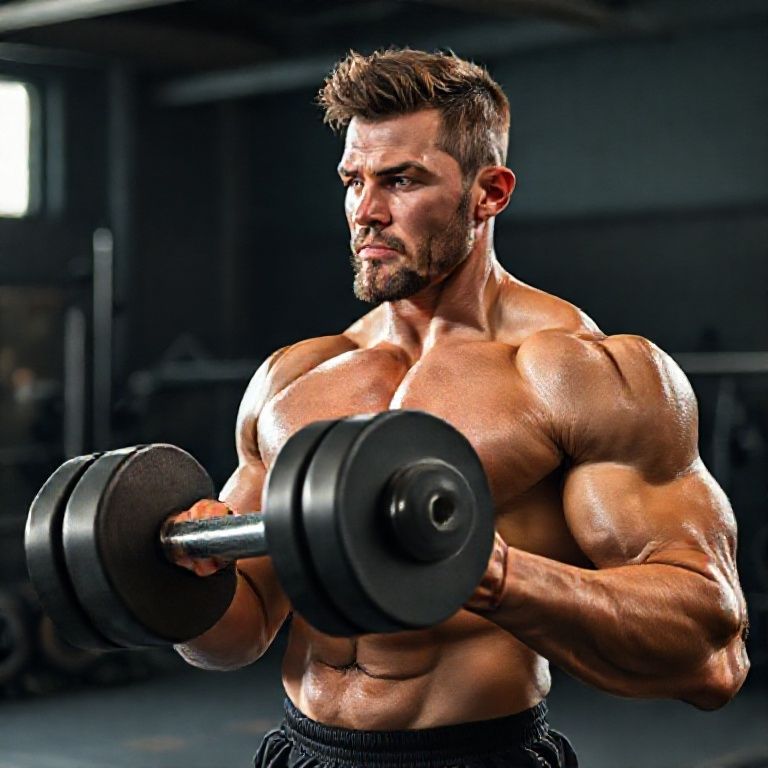
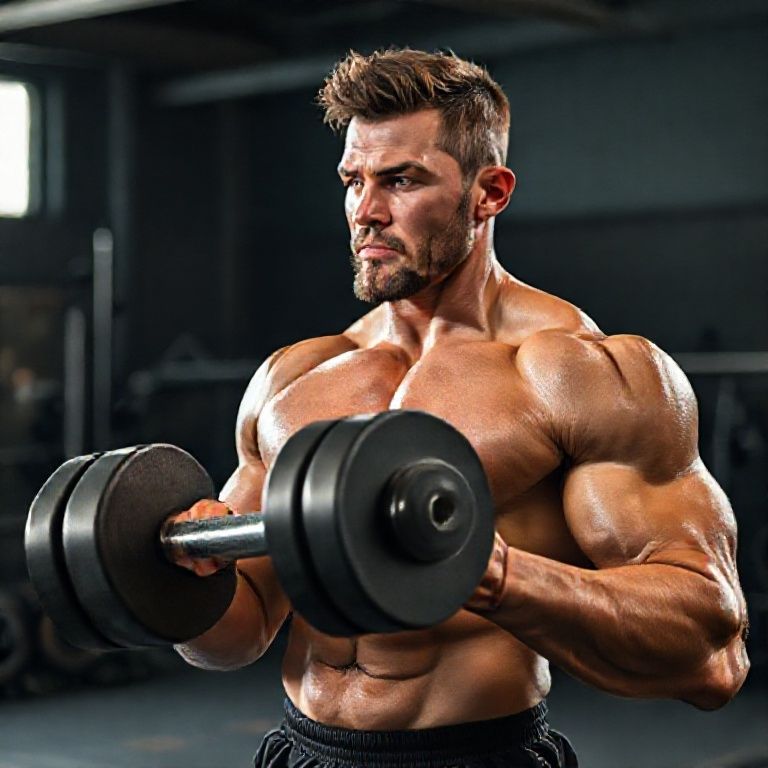
For those new to weightlifting, getting started can be overwhelming with all the options available. As a dumbbell full body beginner, you’re likely looking for a workout routine that will help you build overall strength and fitness without breaking the bank or requiring a large amount of space. Fortunately, using dumbbells is an excellent way to achieve this goal.
One of the biggest advantages of dumbbell workouts is their versatility. Unlike machines at the gym, dumbbells can be used for a wide range of exercises that target multiple muscle groups at once. This makes them perfect for those who want to work on full-body strength and fitness without having to spend hours in the gym. With a pair of dumbbells, you can create a variety of workouts that cater to your fitness goals.
In this article, we’ll take a closer look at the best exercises and routines for dumbbell full body beginners. We’ll cover everything from compound exercises like squats and deadlifts to isolation exercises like bicep curls and tricep extensions. Whether you’re looking to build muscle, increase strength, or simply get in shape, this guide will provide you with a solid foundation for starting your dumbbell full body beginner journey.
Understanding the Benefits of Dumbbells for Beginners
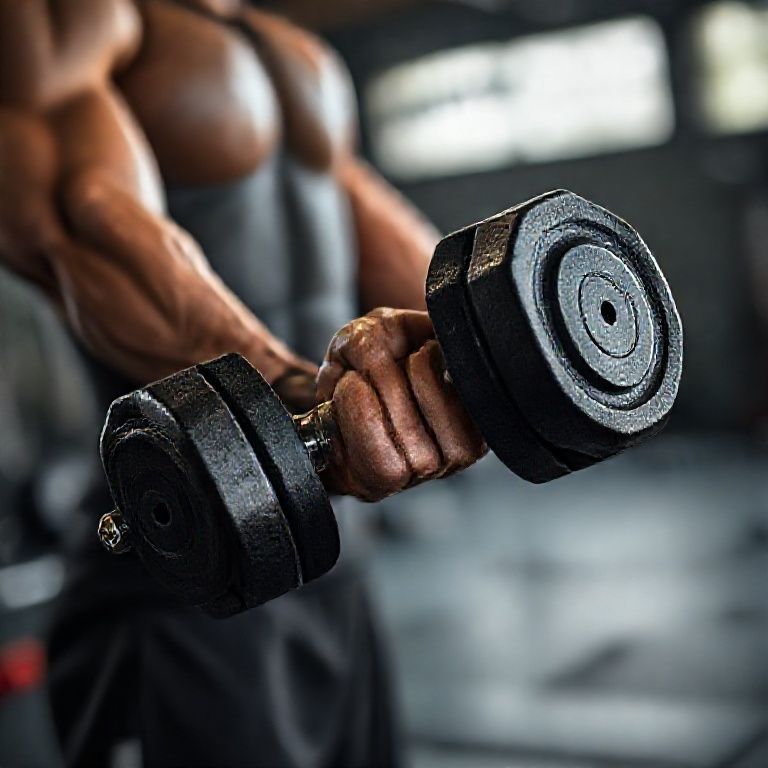
As a beginner, incorporating dumbbells into your workout routine can be an excellent way to build strength and confidence. Dumbbells are versatile, portable, and require minimal equipment, making them perfect for home workouts or on-the-go training. With a dumbbell full body workout, you’ll engage multiple muscle groups simultaneously, increasing efficiency and effectiveness.
Choosing the Right Dumbbells
When selecting dumbbells for your first full-body workout, consider the following factors:
Weight Selection
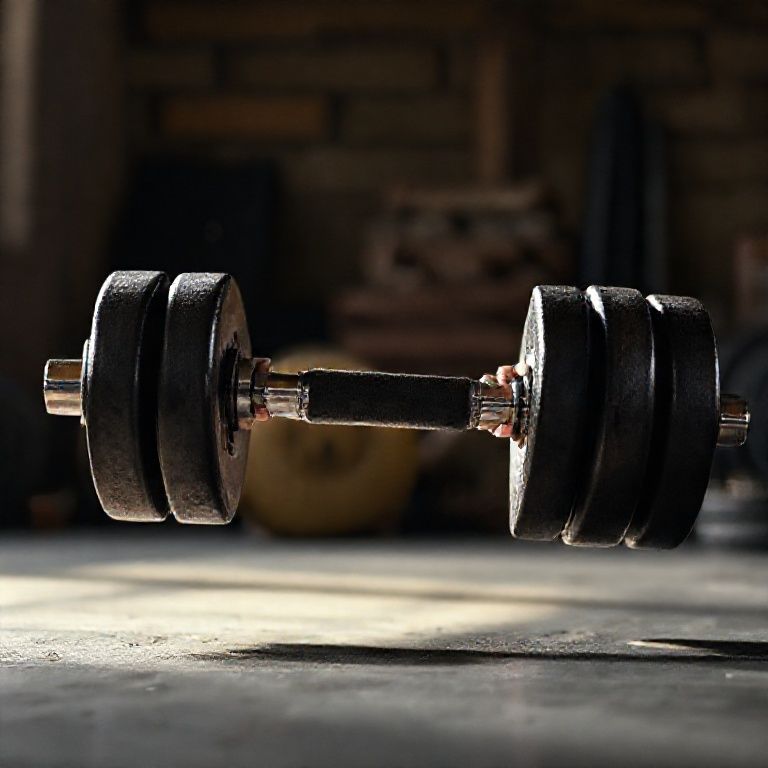
Beginners typically start with lighter weights (5-8 kg/11-18 lbs) to focus on proper form and technique. As you progress, increase the weight in small increments to challenge yourself. For example, if you’re using 5 kg dumbbells for chest presses, aim to add another 0.5-1 kg every two weeks.
Dumbbell Type
Invest in a pair of adjustable dumbbells or a set of fixed weights that cater to your needs. Adjustable dumbbells offer flexibility, while fixed weights provide stability. Consider the pros and cons of each type before making a decision.
Step-by-Step Guide to a Dumbbell Full Body Workout
1. Warm-up (5-10 minutes):
Light cardio such as jogging in place or jumping jacks
Dynamic stretching for major muscle groups, including leg swings, arm circles, and torso twists
2. Chest and Triceps:
Bench Press Variation
Hold dumbbells with palms facing forward
Perform a seated bench press, lowering the dumbbells to your chest before pressing upwards, aiming for 12-15 reps
Dumbbell Flyes
Hold dumbbells with arms extended to the sides at shoulder height
Perform a gentle squeezing motion, keeping your arms straight, and repeat for 12-15 reps
3. Back and Biceps:
Bent-over Rows
Hold dumbbells with palms facing towards your body
Bend at the hips, keeping back straight, then lift the dumbbells to your sides until your elbows are at a 90-degree angle, aiming for 8-12 reps
Dumbbell Bicep Curls
Hold dumbbells with palms facing forward
Curl the dumbbells up towards your shoulders, squeezing your biceps before lowering back down, repeating for 12-15 reps
4. Legs and Shoulders:
Goblet Squats
Hold a dumbbell at your chest with both hands
Perform a squat, keeping your back straight and knees behind your toes, then stand up to return to the starting position, aiming for 8-12 reps
Lateral Raises
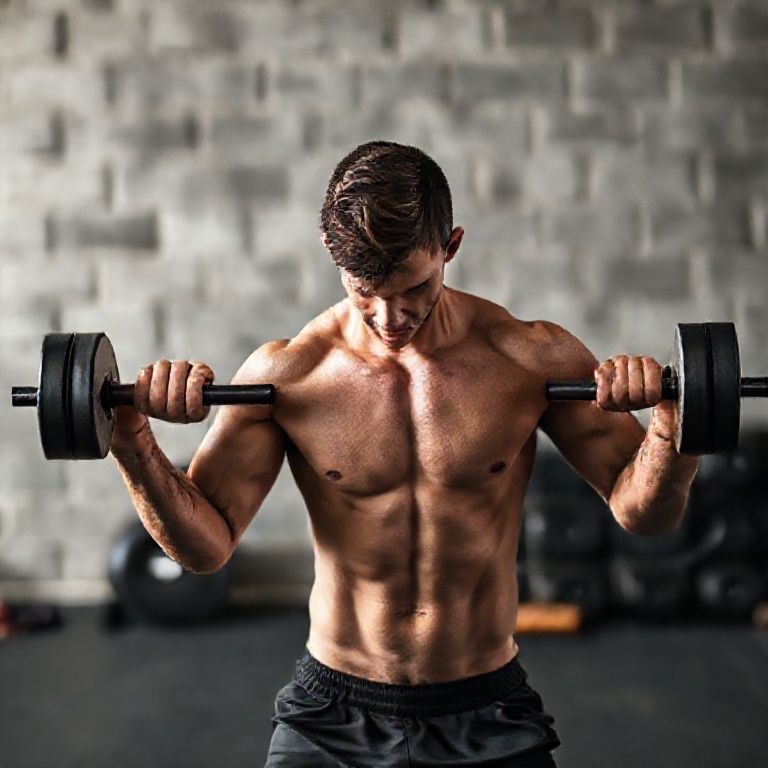
Hold dumbbells at shoulder height with palms facing your thighs
Raise the dumbbells out to the sides until they’re at shoulder level, keeping your arms straight, and repeat for 12-15 reps
Progressive Overload and Progressing Your Workout
1. Increase weight: Gradually add weight to challenge yourself and promote muscle growth.
Example: If you’re using 5 kg dumbbells for chest presses, try adding 0.5-1 kg every two weeks.
2. Change exercises: Once you’ve mastered each exercise, introduce new variations or substitute with different movements to avoid plateaus.
3. Increase reps or sets: As you get stronger, aim to increase the number of reps or sets you perform for each exercise.
References:
American Council on Exercise (ACE) – Dumbbell Exercises
National Academy of Sports Medicine (NASM) – Full-Body Workout Routines
American College of Sports Medicine (ACSM) – Resistance Training Guidelines
Conclusion
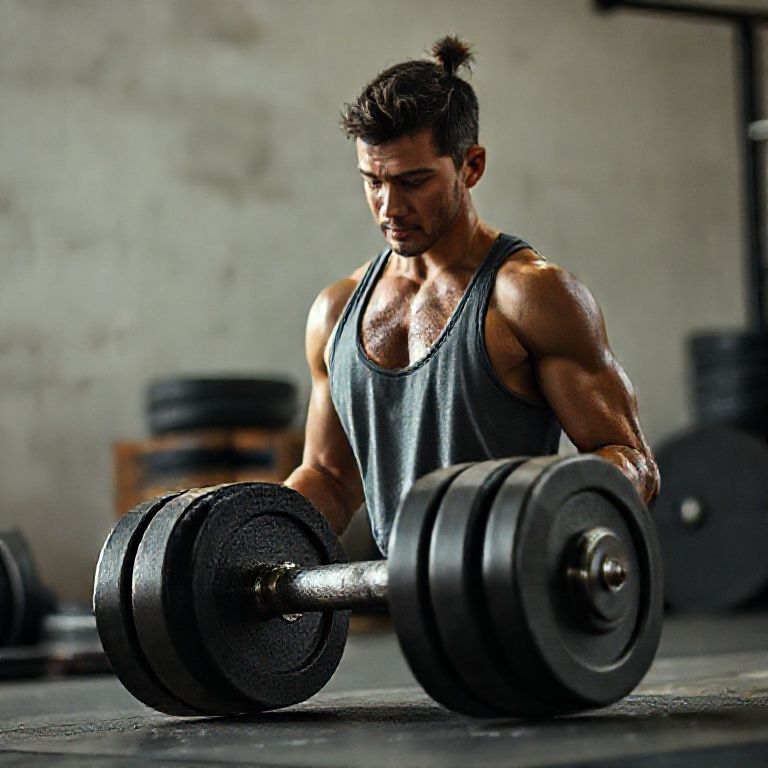
In conclusion, starting your fitness journey with a dumbbell full-body beginner routine can be an effective and efficient way to build strength and endurance. With a simple yet challenging workout plan, you can achieve noticeable results in just a few weeks.
To get started, find a comfortable space to work out at home or visit a local gym equipped with dumbbells. Invest in a set of adjustable dumbbells that can accommodate various weight levels. Begin with the basics: warm up with 5-10 minutes of light cardio and stretching, then follow the routine outlined above.
Remember to start slow, increase your reps and sets as you build strength, and listen to your body – rest when needed. Stay consistent and patient, and you’ll be on your way to a stronger, healthier you.
Here are five concise FAQ pairs for a “Dumbbell Full Body Beginner”:
Q: What is dumbbell training, and how does it benefit me?
A: Dumbbell training involves using dumbbells to work out your entire body, targeting multiple muscle groups at once. It’s an effective way to build strength and endurance while minimizing equipment costs.
Q: Do I need experience or special knowledge to start a dumbbell full body workout routine?
A: No, you don’t need prior experience or specialized knowledge to begin a dumbbell full body workout routine. However, it’s recommended to consult with a doctor or fitness professional before starting any new exercise program.
Q: What are the most essential dumbbells for a beginner’s full body workout?
A: For a basic full body workout, you’ll need two dumbbells of 5-10 pounds (2.5-5 kg) and one pair of heavier dumbbells (15-20 pounds / 7.5-10 kg) to add variety to your routine.
Q: How often should I work out with dumbbells for a full body workout?
A: Aim to work out with dumbbells 2-3 times per week, allowing for adequate rest and recovery time between sessions. This frequency will help you build strength and endurance while minimizing the risk of injury or burnout.
Q: What are some common mistakes beginners make when starting a dumbbell full body workout routine?
Here’s a short quiz for a “Dumbbell Full Body Beginner”:
Question 1: What is the primary muscle group targeted when performing a dumbbell squat?
A) Chest
B) Back
C) Legs
Show answer
Answer: C
Question 2: Which of the following exercises works multiple joints at once, engaging both the upper and lower body?
A) Dumbbell chest press
B) Dumbbell rows
C) Dumbbell shoulder press
Show answer
Answer: C
Question 3: What is the correct stance for performing a dumbbell deadlift?
A) Feet shoulder-width apart with toes pointing outward
B) Feet shoulder-width apart with toes pointing inward
C) Feet closer together than shoulder-width apart with toes pointed outward
Show answer
Answer: B
Question 4: Which of the following exercises targets the entire upper body, including the chest, back, and shoulders?
A) Dumbbell bicep curls only
B) Dumbbell tricep extensions only
C) Dumbbell chest press and rows
Show answer
Answer: C



This is incredibly well-researched and informative. This was really helpful.
Excellent work as always! Thanks for sharing!