
Healthy Batch Cooking Basics: 9 Next‑Level Hacks to Feel Strong and Clear

healthy batch cooking basics
Introduction
In today’s fast-paced world, mealtime can often feel like a chore. Between work, family, and social obligations, it’s easy to find yourself relying on convenience foods or ordering takeout just to get by. However, this approach not only takes a toll on our wallets but also on our health. A healthier alternative is batch cooking – the practice of preparing large quantities of nutritious meals in advance that can be easily reheated and enjoyed throughout the week.
At its core, healthy batch cooking basics are all about simplicity and flexibility. By investing some time upfront to prepare wholesome meals, you can save yourself hours of cooking time each day and ensure that you’re fueling your body with the nutrients it needs to thrive. Whether you’re a busy professional, a parent on-the-go, or simply someone looking to upgrade their eating habits, batch cooking is an accessible and effective way to take control of your diet.
In this article, we’ll explore the fundamentals of healthy batch cooking basics, including how to plan meals, choose ingredients, and cook techniques that will make you a pro at preparing delicious and nutritious meals in advance. We’ll also share some tips for incorporating batch cooking into your lifestyle, even on the most hectic of days.
Healthy Batch Cooking Basics: a Beginner’s Guide
Understanding the Benefits of Healthy Batch Cooking
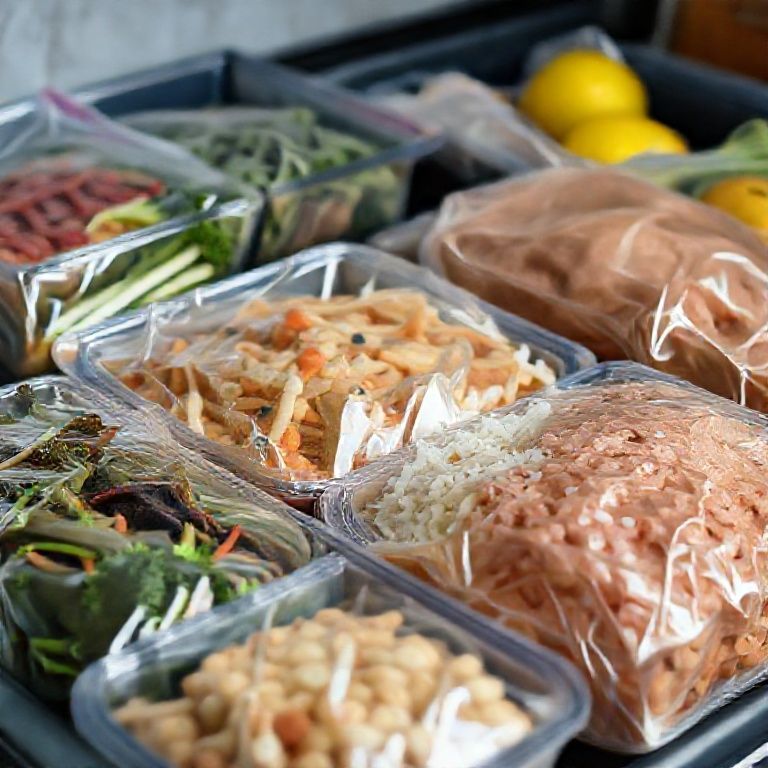
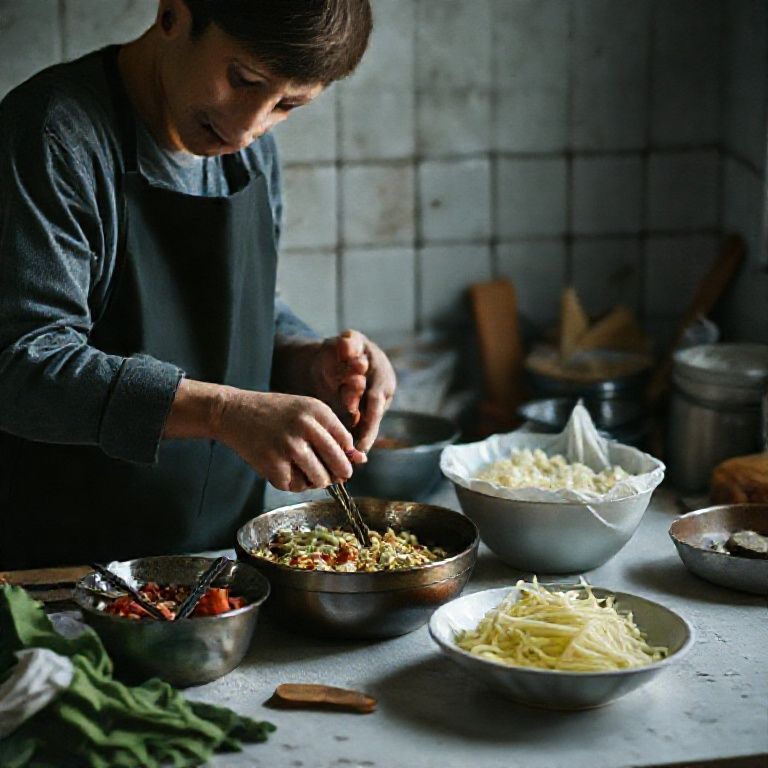
Healthy batch cooking is a simple yet effective way to prepare healthy meals in advance, saving time and money while promoting a balanced diet. This approach involves cooking large quantities of nutritious food on the weekends or one day a week, portioning it out into individual servings, and refrigerating or freezing for later use.
Batch Cooking Can Help You:
Reduce stress: Plan your meals ahead of time to avoid last-minute takeout or fast food.
Save money: Buy ingredients in bulk and plan meals around what’s on sale.
Eat healthier: Prepare nutritious meals in advance to ensure you’re getting the nutrients you need.
Increase productivity: Cook large batches of food that can be reheated throughout the week.
Setting Up Your Batch Cooking Space
Before starting your batch cooking journey, it’s essential to set up a dedicated space in your kitchen that will become your “batch cooking zone.” This area should be well-ventilated, clean, and free from distractions. You’ll need the following equipment:
A large, sturdy pot or Dutch oven
A skillet or sauté pan for browning and crisping ingredients
A cutting board for chopping vegetables and meats
A canning jar or airtight container for storing individual servings
Labels and markers for labeling containers
Planning Your First Batch Cooking Session
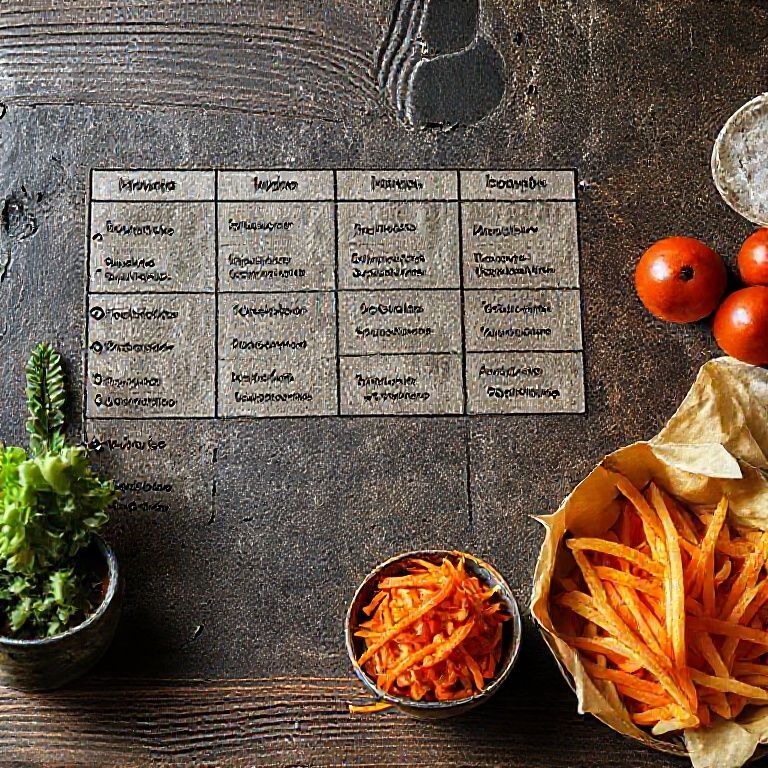
To get started with healthy batch cooking basics, you’ll need to plan your first session. Here’s a step-by-step guide:
1. Decide on the recipes you want to cook: Choose simple, nutritious recipes that can be made in large quantities, such as soups, stews, casseroles, and roasted vegetables.
2. Make a list of ingredients: Write down all the ingredients you’ll need for each recipe, including any pantry staples or spices.
3. Shop for ingredients: Head to the grocery store and purchase all the necessary ingredients.
4. Prep your workspace: Clean and declutter your kitchen, then set up your batch cooking zone with all the equipment needed.
Consider planning meals around seasonal produce to save money and ensure freshness. You can also prep ingredients in advance, such as chopping vegetables or marinating meats.
Preparing Individual Servings
Once you’ve cooked your large batches, it’s time to portion them out into individual servings:
1. Divide each dish into portions: Use a measuring cup or a food scale to divide each dish into individual portions.
2. Label and date containers: Use labels and markers to identify the contents of each container and include the date it was prepared.
3. Store in the fridge or freezer: Place the labeled containers in the refrigerator for up to 5 days or freeze for up to 3 months.
When reheating, make sure to heat food to a safe internal temperature (165°F) to avoid foodborne illness.
Tips for Successful Healthy Batch Cooking
Start small: Begin with a few recipes and gradually increase your batch size as you become more confident in your cooking abilities.
Use simple recipes: Choose recipes that are easy to make in large quantities, such as soups and stews.
Invest in quality cookware: Good-quality pots and pans will help you cook evenly and efficiently.
Consider the following additional tips:
Cook proteins like chicken or beans in bulk to use throughout the week.
Roast a variety of vegetables at once to save time and money.
Use a slow cooker for hands-free cooking and convenient meals.
Label containers clearly so you know what’s inside without having to check the date.
For more information on healthy batch cooking basics, check out these resources:
Anchor (Academy of Nutrition and Dietetics) – Learn how to plan and prepare meals for optimal nutrition and weight management.
Conclusion
In conclusion, mastering the art of healthy batch cooking requires a solid foundation in the basics. By understanding portion control, meal planning, and nutrient-dense ingredients, you can create a balanced and efficient approach to cooking in bulk. Take the first step towards transforming your relationship with food by investing time in learning these essential skills. Start by dedicating one day a week to batch cooking, experimenting with new recipes, and customizing your approach to suit your dietary needs and preferences. As you progress, share your experiences and tips with others, inspiring a community of like-minded individuals who prioritize healthy eating and mindful cooking.
Here are five concise FAQ pairs for “Healthy Batch Cooking Basics”:
Q: What is batch cooking, and why should I do it?
A: Batch cooking involves preparing large quantities of healthy meals in advance to save time and money during the week.
Q: How can I get started with batch cooking if I’m new to it?
A: Start by planning your meals for the week, making a grocery list, and investing in some basic cookware and storage containers.
Q: What are the benefits of batch cooking for my health?
A: Batch cooking allows you to prepare nutrient-dense meals ahead of time, reducing the likelihood of relying on processed or high-calorie foods when you’re short on time.
Q: Can I freeze leftovers from batch cooked meals?
A: Yes, freezing is a great way to preserve batch-cooked meals for later use. Just be sure to label and date your containers so you know what you have in the fridge.
Q: How can I ensure my batch-cooked meals stay fresh and safe to eat?
Here’s a short quiz for healthy batch cooking basics:
1. What is the primary purpose of batch cooking?
A) To save time during meal prep
B) To reduce food waste by planning meals in advance
C) To lose weight quickly through extreme calorie restriction
Show answer
Answer: B) To reduce food waste by planning meals in advance
2. Which ingredient is often used as a flavor enhancer and preservative in batch cooking?
A) Salt
B) Sugar
C) Vinegar
Show answer
Answer: C) Vinegar
3. What type of container is best for storing cooked, portioned foods to maintain freshness?
A) Glass jars with tight-fitting lids
B) Plastic containers with airtight seals
C) Ziplock bags with twist-tie tops
Show answer
Answer: A) Glass jars with tight-fitting lids
4. How often should you reheat and consume cooked meals after batch cooking?
A) Immediately, or within 24 hours
B) Within 3-5 days to maintain nutritional value
C) Until the food is no longer recognizable as its original form
Show answer
Answer: B) Within 3-5 days to maintain nutritional value



Well written! Your expertise really shows in this post.
This is incredibly well-researched and informative. Looking forward to more content like this.
Interesting perspective. You’ve outdone yourself with this one!
Amazing content as always. Looking forward to more posts like this. Looking forward to more content like this.
I enjoyed reading this. So helpful and informative!
Excellent post! I learned something new today. Great post!