
Habit Stacking For Wellbeing: 12 Pro Secrets that Instantly Lift Your Day


habit stacking for wellbeing

Introduction
In today’s fast-paced world, maintaining a healthy work-life balance can be a daunting task. With the constant pressure to meet deadlines and keep up with our demanding responsibilities, it’s easy to let our physical and mental wellbeing fall by the wayside. However, neglecting our wellbeing can have serious consequences on both our short-term and long-term health, leading to decreased productivity, strained relationships, and even chronic diseases.
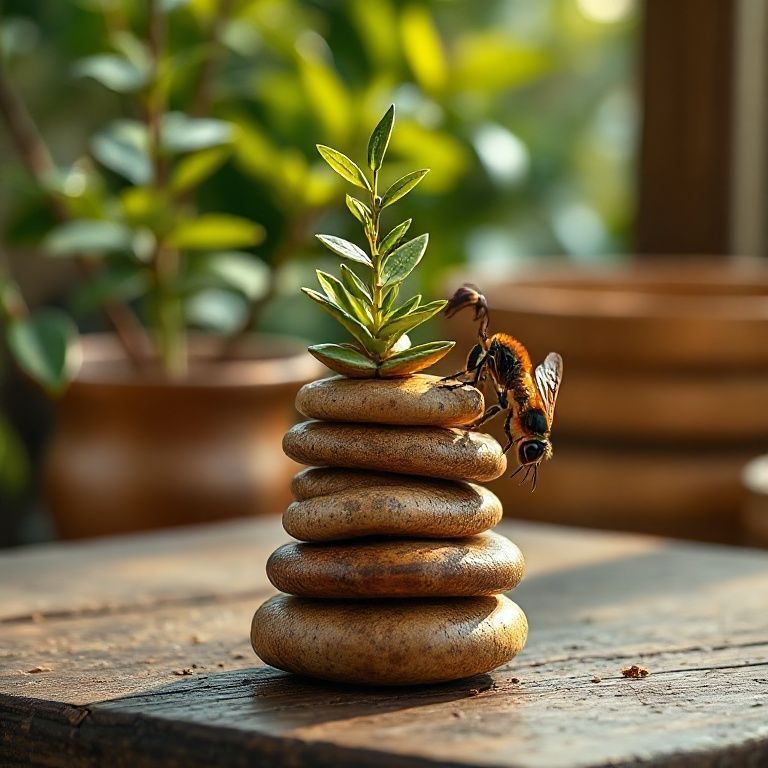
One effective strategy for reversing this trend is habit stacking for wellbeing. This technique involves building new habits onto existing ones, creating a chain of positive behaviors that can help us overcome procrastination, increase motivation, and cultivate healthy routines. By identifying areas where we already have habits in place, such as brushing our teeth or checking our phones, we can then add new habits that promote wellbeing, like meditating, exercising, or practicing gratitude.
In this article, we’ll explore the concept of habit stacking for wellbeing in depth, examining its benefits, how to implement it effectively, and providing practical tips for creating a chain of positive habits that will transform your life.

Building a Strong Foundation for Habit Stacking for Wellbeing
Habit stacking is a powerful technique that can help you build positive habits and break negative ones. By leveraging the power of existing habits, habit stacking allows you to create new habits that are more likely to stick. In this section, we’ll explore how to use habit stacking for wellbeing.
Understanding Habit Stacking
Habit stacking involves identifying an existing habit that you already practice consistently, and then adding a new habit on top of it. This approach is based on the idea that habits are like muscles – they need to be exercised regularly in order to grow stronger.
Identifying Your Starting Point
To get started with habit stacking for wellbeing, you need to identify an existing habit that you already practice consistently. This could be something as simple as drinking a cup of coffee every morning, or taking a daily walk after breakfast.
Step 1: Choose Your Habit
Take some time to reflect on your daily habits and choose one that you feel is a good starting point for habit stacking. Consider the following factors when selecting your habit:
Is it something that you already do consistently?
Does it align with your values and goals?
Can you realistically add a new habit to this existing routine?
Some examples of habits that might be suitable for habit stacking include:
Exercise (e.g. going for a run or doing yoga)
Meditation or mindfulness practice
Healthy eating (e.g. preparing a nutritious breakfast or lunch)
Adding Your New Habit
Once you’ve identified your starting point, it’s time to add your new habit on top of it.
Step 2: Define Your New Habit
Take some time to reflect on what habits you want to build in order to improve your wellbeing. Consider the following factors when defining your new habit:
Is it something that will have a positive impact on your physical or mental health?
Can you realistically add this habit to your existing routine?
What are the specific behaviors and actions that you need to take in order to make this habit stick?
Some examples of habits that might be suitable for building through habit stacking include:
Practicing gratitude (e.g. writing down three things you’re thankful for each day)
Engaging in creative activities (e.g. drawing or painting)
Taking care of your physical health (e.g. stretching or foam rolling)
Putting It into Practice
Now that you’ve identified your starting point and defined your new habit, it’s time to put them into practice.
Step 3: Start Small
Don’t try to tackle too much at once. Instead, start by adding small, manageable habits to your existing routine. This will help you build momentum and confidence as you develop new habits.
Start with a small commitment (e.g. just one day a week)
Gradually increase the frequency or duration of your habit over time
Be patient and don’t get discouraged if you slip up – simply acknowledge the setback and try again
Conclusion
Habit stacking is a powerful tool for building positive habits and improving wellbeing. By leveraging the power of existing habits, you can create new habits that are more likely to stick. With these practical steps, you can start building your own habit stack today.
References:
[The Power of Habit by Charles Duhigg](https: //www.amazon.com/Power-Habit-Charles-Duhigg/dp/1591844678)
Habit Stacking:17 Scientifically-Proven Habits to Boost Your Productivity and Wellbeing

Conclusion
In conclusion, habit stacking is a powerful tool for enhancing our overall wellbeing by leveraging the power of small, incremental changes to build lasting habits. By identifying and stacking new habits onto existing ones, we can create a ripple effect of positive change that permeates every aspect of our lives. So why not give it a try? Start by identifying one habit you’d like to stack onto an existing routine, and then take the first small step towards making it a reality. With patience, persistence, and practice, you can unlock the full potential of habit stacking for wellbeing and start living the life you truly desire.
Here are five concise FAQ pairs for “Habit Stacking for Wellbeing”:
Q: What is habit stacking?
A: Habit stacking is a technique where you build new habits onto existing ones, creating a chain of positive behaviors that can lead to improved wellbeing.
Q: How do I start habit stacking?
A: Start by identifying an existing habit or routine in your life that you’d like to modify or replace. Then, choose a new behavior that aligns with your goals and stack it on top of the existing habit.
Q: What are some examples of habits to stack?
A: Examples include going to bed earlier (stacking exercise before sleep) or taking a daily walk (stacking meditation after walking).
Q: How do I make sure my stacked habits stick?
A: To ensure your new habits stick, start small, be consistent, and celebrate small wins. Also, identify the cues that trigger your existing habit and use those same cues to trigger your new behavior.
Q: Can habit stacking help me overcome negative habits?
Here’s a short quiz for “Habit Stacking for Wellbeing”:
Question 1: What is the primary goal of habit stacking?
A) To change an existing behavior
B) To create a new habit from scratch
C) To build upon an existing habit to improve wellbeing
Show answer
Answer: C) To build upon an existing habit to improve wellbeing
Question 2: Which of the following best describes the process of “stacking” habits?
A) Replacing one bad habit with another
B) Building a new habit on top of an existing one
C) Eliminating a habit altogether
Show answer
Answer: B) Building a new habit on top of an existing one
Question 3: What is a key benefit of using habit stacking for wellbeing?
A) It allows for more flexibility in daily routines
B) It can lead to faster results and increased motivation
C) It helps individuals build upon existing habits that already contribute to their wellbeing
Show answer
Answer: C) It helps individuals build upon existing habits that already contribute to their wellbeing
Question 4: Who popularized the habit stacking method?
A) Dr. Max Maltz
B) Dr. Jim Kwik
C) Dr. Brian Johnson
Show answer
Answer: A) Dr. Max Maltz








Amazing content as always. Looking forward to more posts like this. Looking forward to more content like this.
Excellent post! i learned something new today.