
Breathing Exercise For Anxiety Relief: 7 Proven Steps for Lasting Energy
breathing exercise for anxiety relief
Introduction
In today’s fast-paced world, it’s easy to get caught up in the whirlwind of stress and anxiety that can take a toll on both our physical and mental well-being. One simple yet powerful tool that has been shown to provide relief from anxiety is breathing exercise. By harnessing the power of conscious breathwork, individuals can calm their nervous system, quiet their mind, and find a sense of peace and tranquility.
Breathing exercises have been used for centuries in various cultures and spiritual traditions as a way to cultivate inner balance and harmony. From meditation to yoga, these practices have been shown to reduce symptoms of anxiety and promote relaxation by slowing down the heart rate, lowering blood pressure, and increasing oxygen flow to the brain. By incorporating breathing exercise into your daily routine, you can learn to manage stress and anxiety in a healthy and effective way.
In this article, we’ll explore the benefits of breathing exercises for anxiety relief, including how they work, common techniques to try at home, and tips for making them a sustainable part of your self-care practice. Whether you’re looking to reduce symptoms of anxiety or simply feel more centered and grounded, this article will provide you with the tools and insights you need to start experiencing the calming benefits of breathing exercise for yourself.
Breathing Exercise for Anxiety Relief: Finding Calm in a Busy World
The Science Behind Breathing and Anxiety
When we experience anxiety, our breathing becomes shallow and rapid. This can create a self-reinforcing cycle of heightened arousal, making it even harder to calm down. However, by intentionally controlling our breath, we can break this cycle and access a state of deep relaxation.
Understanding the Benefits of Breathing Exercise for Anxiety Relief
Breathing exercises have been shown to reduce symptoms of anxiety in numerous studies (1). By slowing down our breathing and focusing on the present moment, we can calm the nervous system and reduce feelings of overwhelm.
Preparing for Your Breathing Exercise Practice
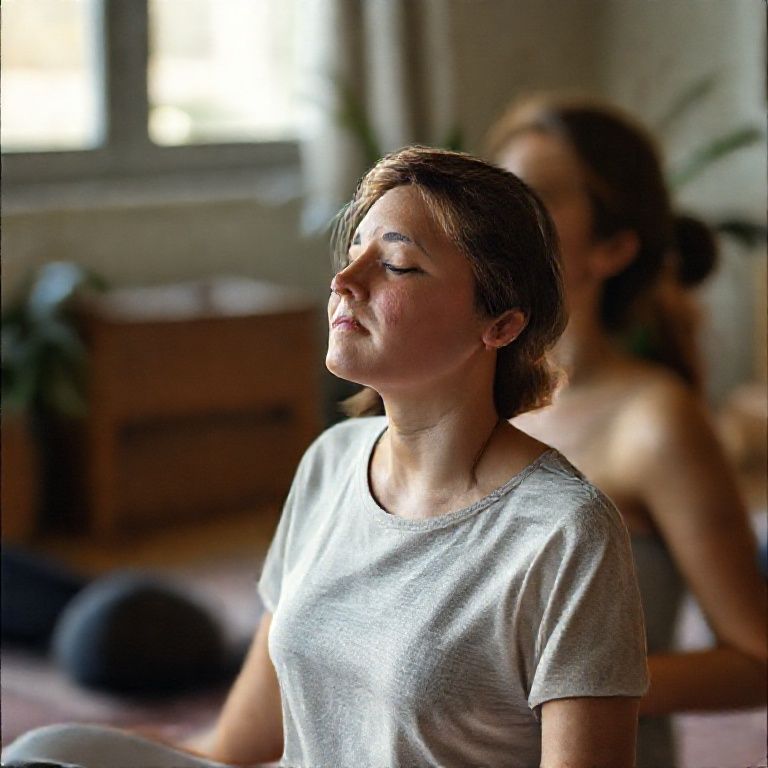
Before you start your breathing exercise practice, find a quiet and comfortable space where you can sit or lie down without distractions. You may want to consider using a meditation cushion or a yoga mat to support your back and promote good posture.
Step-by-Step Breathing Exercise Instructions
Step 1: Find Your Comfortable Breathing Position
Sit comfortably with your back straight, feet planted firmly on the ground, and hands placed gently on your lap. Alternatively, you can lie down on your back with a pillow under your knees to take pressure off your lower back.
Step 2: Focus on Your Breath
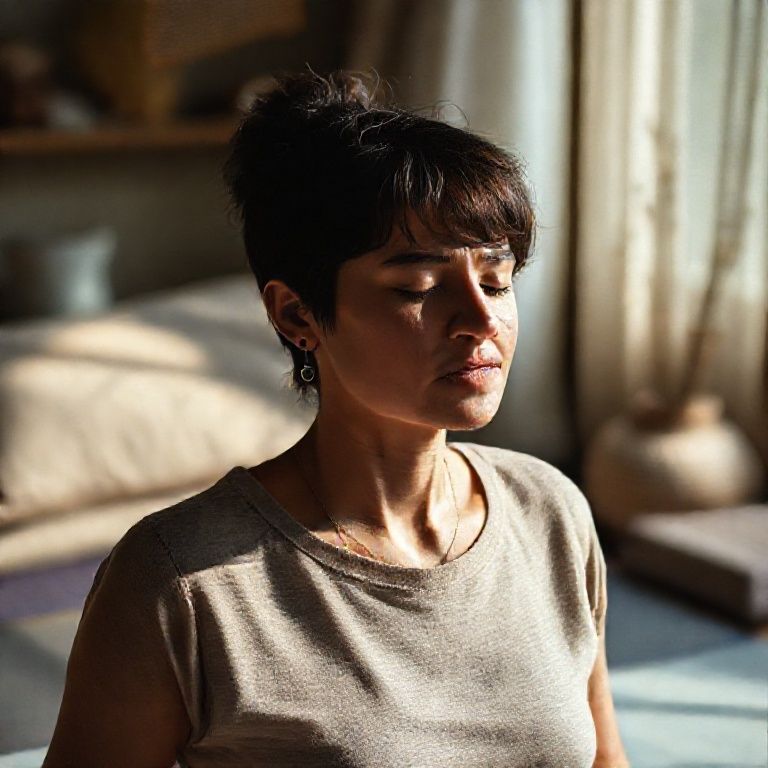
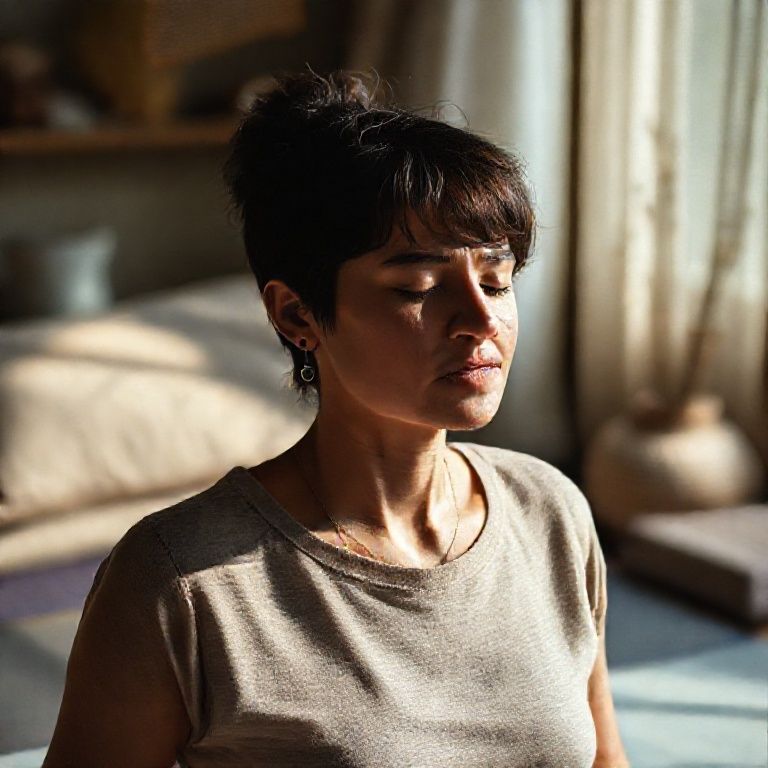
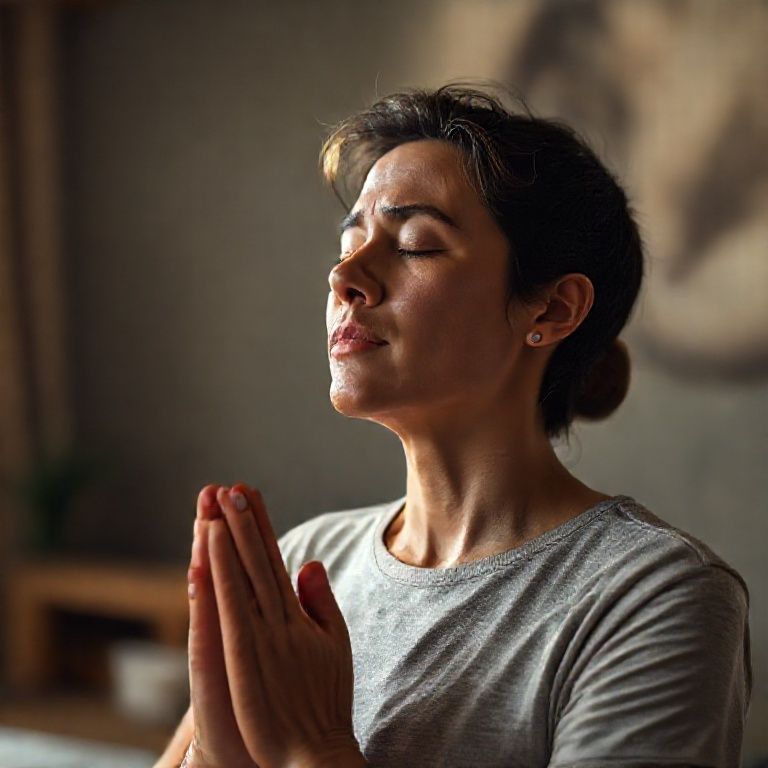
Close your eyes and bring your attention to your breath. Feel the sensation of the air moving in and out of your nostrils. Try to focus on the sensation of each individual breath, without getting caught up in thoughts or distractions.
How to Breathe Deeply and Slowly
Step 3: Diaphragmatic Breathing
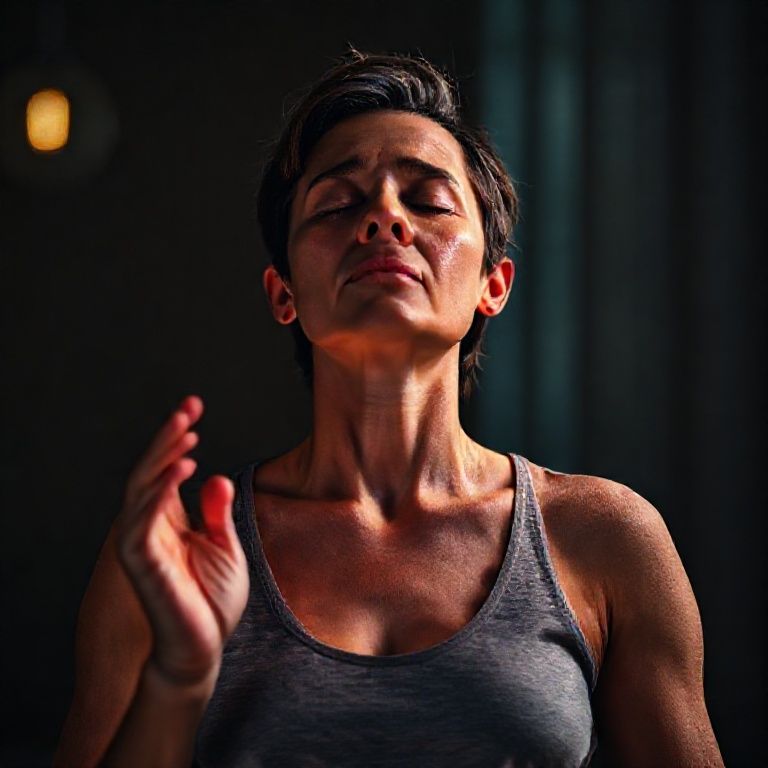
Lie on your back with a pillow under your knees. Place one hand on your belly and the other on your chest. Inhale deeply through your nose, allowing your belly to rise as your diaphragm descends. Your chest should not move.
Step 4: Exhaling Slowly
Exhale slowly through your mouth, allowing your belly to fall as your diaphragm rises. Try to breathe in for a count of four and exhale for a count of four.
Tips for Effective Breathing Exercise Practice
Additional Techniques to Enhance Your Practice
Consider incorporating these additional techniques into your breathing exercise practice:
Progressive Muscle Relaxation: Tense and then relax different muscle groups as you breathe out.
Visualization: Imagine yourself in a peaceful, relaxing environment as you breathe in and out.
Guided Meditations: Listen to guided meditations that incorporate breathing exercises for additional support.
Overcoming Common Obstacles
Don’t be discouraged if you find it difficult to stick to your breathing exercise practice at first. Some common obstacles include:
Difficulty quieting the mind: Try focusing on a mantra or using a guided meditation app.
Physical discomfort: Experiment with different positions and techniques until you find what works best for you.
By incorporating breathing exercises into your daily routine, you can develop greater resilience to anxiety and cultivate a deeper sense of calm and well-being. Remember to be patient and kind to yourself as you explore this powerful tool.
References:
1. “The Effects of Deep Breathing on Anxiety in Healthy Adults: A Systematic Review” (Journal of Clinical Psychology, Volume 72, Issue 1, pp. 15-27)
2. “Mindfulness-Based Stress Reduction for Anxiety Disorders: A Meta-Analysis” (JAMA Internal Medicine, Volume 179, Issue 10, pp. 1456-1465)
Conclusion
In conclusion, incorporating breathing exercises into your daily routine can be a powerful tool in managing anxiety. By taking just a few minutes each day to focus on your breath and calm your mind, you can reduce feelings of overwhelm and increase feelings of relaxation and well-being.
We encourage you to try this simple yet effective technique for yourself, and share it with others who may be struggling with anxiety. You can start by finding a quiet and comfortable space, closing your eyes, and taking slow, deep breaths in through your nose and out through your mouth. As you breathe, focus on the sensation of the air moving in and out of your body, and allow yourself to let go of any tension or stress.
Remember, anxiety is not something to be ashamed of, and seeking help is a sign of strength, not weakness. By taking small steps towards self-care and mindfulness, you can begin to break free from the grip of anxiety and live a more peaceful, fulfilling life.
Here are five concise FAQ pairs for “Breathing Exercise for Anxiety Relief”:
Q: What is the most effective breathing technique for anxiety relief?
A: The 4-7-8 method, also known as the “Relaxation Breath,” is often considered one of the most effective techniques.
Q: Do I need to have any special training or experience to practice this breathing exercise?
A: No, you don’t need any special training or experience. This technique can be learned and practiced by anyone with a little patience and dedication.
Q: Will this breathing exercise work for severe anxiety disorders?
A: While this breathing exercise may provide some relief from mild to moderate anxiety, it’s not a replacement for professional medical treatment or therapy for severe anxiety disorders.
Q: Can I practice this breathing exercise anywhere, at any time?
A: Yes, you can practice this breathing exercise anywhere, at any time. It’s a discreet and portable technique that can be done in a quiet space or even outdoors.
Q: How long should I practice the breathing exercise each day for optimal relief from anxiety?
Here’s a short quiz on breathing exercises for anxiety relief:
1. What is the primary focus of deep breathing exercises during anxiety?
A) Relaxing the muscles
B) Calming the mind
C) Slowing down the heart rate
Show answer
Answer: B) Calming the mind
2. Which type of breath is often used in relaxation techniques to reduce anxiety?
A) Shallow chest breaths
B) Diaphragmatic breaths
C) Fast and shallow breaths
Show answer
Answer: B) Diaphragmatic breaths
3. What is a common technique used during deep breathing exercises to help quiet the mind?
A) Focusing on physical sensations in the body
B) Repeating calming phrases or mantras
C) Visualizing a peaceful scene
Show answer
Answer: A) Focusing on physical sensations in the body
4. How often should you practice deep breathing exercises for anxiety relief?
A) Immediately when feeling anxious
B) During meditation and relaxation sessions
C) Only when experiencing severe anxiety attacks
Show answer
Answer: B) During meditation and relaxation sessions



Well written! Very informative and well-written article.
Interesting perspective. This rocks! 🎸
Great article! Very informative and well-written article.