
Smart Grocery List On A Budget: 14 Red Flags that Hold You Back

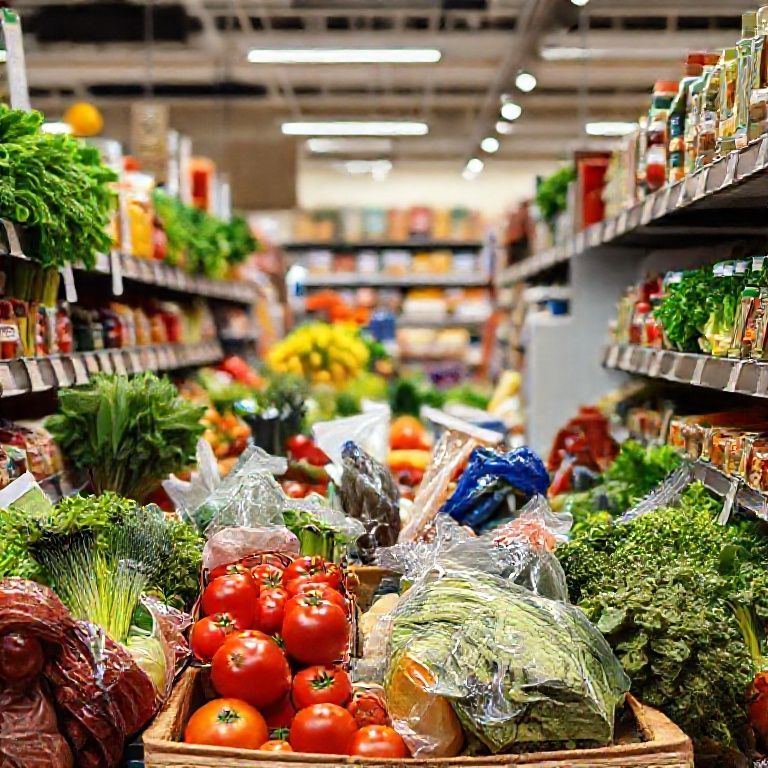
smart grocery list on a budget

Introduction
As we navigate the ever-changing landscape of modern grocery shopping, it’s becoming increasingly clear that a smart approach to meal planning and list-making is key to saving money without sacrificing flavor or nutrition. In today’s fast-paced world, where impulse buys and last-minute additions can quickly add up, having a reliable and efficient system in place is crucial for sticking to your budget and avoiding financial setbacks. This is where the concept of a smart grocery list on a budget comes into play.
Creating a smart grocery list on a budget requires more than just scribbling down a few essential items; it demands a thoughtful and intentional approach to meal planning, ingredient selection, and shopping strategy. By taking the time to plan ahead and make informed purchasing decisions, individuals can significantly reduce food waste, avoid overbuying, and cultivate healthier eating habits that don’t break the bank.
In this article, we’ll explore the ins and outs of creating a smart grocery list on a budget, from meal planning and organization techniques to savvy shopping strategies and clever hacks for stretching your dollar further. Whether you’re a seasoned foodie or a busy parent looking to feed your family without breaking the bank, our expert advice will provide you with the tools and knowledge needed to take control of your grocery bill and start cooking smarter, not harder.

Creating a Smart Grocery List on a Budget
Understanding Your Dietary Needs and Preferences
Before creating a smart grocery list, it’s essential to understand your dietary needs and preferences. Identify the types of food you consume regularly, including staple items, meals, and snacks. Consider any dietary restrictions or allergies that may affect your choices. For example:
If you have celiac disease, ensure to buy gluten-free bread and pasta.
If you follow a vegan diet, prioritize plant-based protein sources like legumes, tofu, and tempeh.
Assessing Your Pantry and Fridge
Take stock of what you already have in your pantry and fridge. Go through each item, checking its expiration date, quality, and usability. Discard expired or spoiled food to avoid waste and save money. This step will help you avoid buying duplicate items and reduce food waste.
For instance:
Check the expiration dates on canned goods and use them before they expire.
Toss any moldy or rotten fruits and vegetables.
Consider donating unopened, non-perishable items to a local food bank.
Setting a Budget
Determine how much you can afford to spend on groceries each week. Consider your income, expenses, and financial goals. Allocate a specific amount for groceries and stick to it.
For example:
If you earn $1,000 per month, allocate 10% of that amount ($100) for groceries.
Adjust your budget based on changes in your income or expenses.
Building Your Smart Grocery List
Step 1: Categorize Your Groceries
Divide your groceries into categories, such as produce, meat, dairy, grains, and snacks. This will help you organize your list and make shopping more efficient.
For instance:
Create a separate section for “Pantry Staples” to keep track of items like rice, pasta, and canned goods.
Use the “Produce List” to prioritize fresh fruits and vegetables.
Step 2: Identify Sales and Discounts
Check the weekly ads for local grocery stores or online retailers to identify sales and discounts on items you regularly purchase. Plan your meals around these deals to maximize savings.
For example:
If eggs are on sale for $1.50 per dozen, plan meals that use eggs as a main ingredient.
Use cashback apps like Ibotta or Fetch Rewards to earn money back on certain grocery purchases.
Step 3: Prioritize Your List
Prioritize essential items, such as milk, bread, and fresh produce, over non-essential items like snacks or treats. Consider buying in bulk if possible, but avoid overbuying to prevent waste.
For instance:
If you have a large family, consider buying bulk packs of pasta sauce, rice, or canned goods.
Use coupons or sales to stock up on non-perishable items when they’re at their cheapest.
Implementing Your Smart Grocery List on a Budget
Step 4: Shop Smart
When shopping with your smart list, stick to the categories and items you’ve prioritized. Avoid impulse buys, and try to buy in season for cheaper produce.
For example:
If you’re buying apples, choose the cheapest option that’s in season.
Use unit prices (price per ounce or pound) to compare prices on similar items.
Step 5: Review and Adjust
Regularly review your grocery list and adjust it as needed. Consider sales, seasonal changes, and dietary preferences when making changes.
For instance:
If you notice a staple item is going out of season, plan meals that use alternative ingredients.
Use the “Meal Planning” feature on your grocery store’s app to get personalized recommendations based on sales and your dietary needs.
Additional Tips and Resources
For more information on budget-friendly grocery shopping, check out these resources:
Anchor: “10 Ways to Save Money on Groceries”
Anchor: “How to Create a Budget for Your Grocery Shopping”
By following these steps and tips, you can create a smart grocery list that helps you save money without sacrificing nutrition or convenience.

Conclusion
In conclusion, creating a smart grocery list on a budget is easier than you think. By implementing a few simple strategies and tools, you can save money on your groceries without sacrificing the quality of your meals. Start by tracking your spending, planning your meals around sales, and using cashback apps or digital coupons to maximize your savings.
Take control of your grocery bill today by making a conscious effort to shop smart. Write down the steps above and start creating your own smart grocery list on a budget. Remember, every small change can add up to make a big difference in your wallet over time.
Here are five concise FAQ pairs for “Smart Grocery List on a Budget”:
Q: What is the purpose of creating a smart grocery list?
A: The primary goal of a smart grocery list is to help you plan, organize, and stick to your budget while still getting the groceries you need.
Q: How do I create a smart grocery list?
A: You can create a smart grocery list by planning meals in advance, tracking sales and coupons, and using online tools or apps that allow you to add and manage items on your list.
Q: What features should my smart grocery list include?
A: Your smart grocery list should include features such as item tracking, budgeting, meal planning, and automatic price alerts for the items on your list.
Q: How can I stay organized with a smart grocery list on a budget?
A: To stay organized, regularly review and update your list to ensure it is current and accurate, and consider implementing a “first in, first out” policy to minimize waste and save money.
Q: Can I use my smartphone app to create a smart grocery list on the go?
Here’s a short quiz for “Smart Grocery List on a Budget”:
Question 1: What is one of the key benefits of meal planning when making a grocery list?
A) You can buy more expensive ingredients
B) You save time and money by avoiding last-minute takeout
C) You only need to shop for individual items
Show answer
Answer: B
Question 2: Which of the following grocery store layouts is most likely to help you stick to your shopping list?
A) Aisle-by-aisle layout with products grouped by category
B) A customer service desk where employees can recommend products
C) An “everything but the kitchen sink” section where impulse buys are prominent
Show answer
Answer: A
Question 3: When creating a smart grocery list, what is one strategy to reduce food waste?
A) Plan meals around seasonal produce that’s on sale
B) Buy more of each ingredient you already have at home
C) Shop for pre-cut and pre-cooked foods whenever possible
Show answer
Answer: A
Question 4: What is a good way to stay organized with your grocery list while shopping?
A) Write it down on a sticky note and stick it to the inside of your wallet
B) Use a digital app or spreadsheet to create and update your list
C) Share it with a family member or roommate who can help you shop
Show answer
Answer: B


I love how you break down complex topics. 😊
Well written! This is pure gold!